
Call us now :08045800815
 Send Inquiry
 Send Inquiry
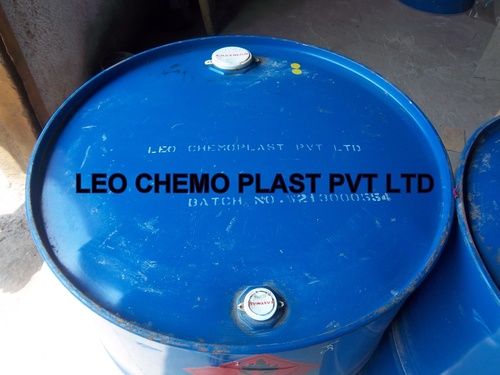
Monoethanolamine
About Monoethanolamine
Ethanolamine (2-aminoethanol, monoethanolamine, ETA, or MEA) is an organic chemical compound with the formula HOCH2CH2NH2. The molecule is bifunctional, containing both a primary amine and a primary alcohol. Ethanolamine is a colorless, viscous liquid with an odor reminiscent of ammonia.Its derivatives are widespread in nature; e.g., lipids.
The ethanolamines comprise a group of amino alcohols. A class of antihistamines is identified as ethanolamines, which includes carbinoxamine, clemastine, dimenhydrinate, diphenhydramine, and doxylamine.
Ethanolamine is commonly called monoethanolamine or MEA in order to be distinguished from diethanolamine (DEA) and triethanolamine (TEA). It is used as feedstock in the production of detergents, emulsifiers, polishes, pharmaceuticals, corrosion inhibitors, and chemical intermediates.[8]
For example, reacting ethanolamine with ammonia gives ethylenediamine, a precursor of the commonly used chelating agent, EDTA.[10]
En from ethanolamine.png
Gas stream scrubbing
See also: carbon dioxide scrubber and sour gas
Like other amines, monoethanolamine is a weak base and this property is exploited in its use in gas scrubbing. Monoethanolamines can scrub combusted coal, combusted methane and combusted biogas flue emissions of carbon dioxide (CO2) very efficiently. Monoethanolamine scrubbing reduces climate change and can make historical coal and biogas industry more modern, healthier and more marketable. Legally, it is especially relevant to the Paris Agreement. MEA carbon dioxide scrubbing is also used to regenerate the air on submarines.
Aqueous solutions of MEA (solutions of MEA in water) are used as a gas stream scrubbing liquid in amine treaters. For example, aqueous MEA is used to remove carbon dioxide (CO2) and hydrogen sulfide (H2S) from various gas streams; e.g., flue gas and sour natural gas.[13]. The MEA ionizes dissolved acidic compounds, making them polar and considerably more soluble.
MEA scrubbing solutions can be recycled through a regeneration unit. When heated, MEA, being a rather weak base, will release dissolved H2S or CO2 gas resulting in a pure MEA solution.
Other uses
In pharmaceutical formulations, MEA is used primarily for buffering or preparation of emulsions. MEA can be used as pH regulator in cosmetics.[15]
It is also an injectable sclerosant as a treatment option of symptomatic hemorrhoids. 2-5 ml of ethanolamine oleate can be injected into the mucosa just above the hemorrhoids to cause ulceration and mucosal fixation thus preventing hemorrhoids from descending out of the anal canal.
pH-control amine
Ethanolamine is often used for alkalinization of water in steam cycles of power plants, including nuclear power plants with pressurized water reactors. This alkalinization is performed to control corrosion of metal components. ETA (or sometimes a similar organic amine; e.g., morpholine) is selected because it does not accumulate in steam generators (boilers) and crevices due to its volatility, but rather distributes relatively uniformly throughout the entire steam cycle. In such application, ETA is a key ingredient of so-called "all-volatile treatment" of water (AVT).
The ethanolamines comprise a group of amino alcohols. A class of antihistamines is identified as ethanolamines, which includes carbinoxamine, clemastine, dimenhydrinate, diphenhydramine, and doxylamine.
Ethanolamine is commonly called monoethanolamine or MEA in order to be distinguished from diethanolamine (DEA) and triethanolamine (TEA). It is used as feedstock in the production of detergents, emulsifiers, polishes, pharmaceuticals, corrosion inhibitors, and chemical intermediates.[8]
For example, reacting ethanolamine with ammonia gives ethylenediamine, a precursor of the commonly used chelating agent, EDTA.[10]
En from ethanolamine.png
Gas stream scrubbing
See also: carbon dioxide scrubber and sour gas
Like other amines, monoethanolamine is a weak base and this property is exploited in its use in gas scrubbing. Monoethanolamines can scrub combusted coal, combusted methane and combusted biogas flue emissions of carbon dioxide (CO2) very efficiently. Monoethanolamine scrubbing reduces climate change and can make historical coal and biogas industry more modern, healthier and more marketable. Legally, it is especially relevant to the Paris Agreement. MEA carbon dioxide scrubbing is also used to regenerate the air on submarines.
Aqueous solutions of MEA (solutions of MEA in water) are used as a gas stream scrubbing liquid in amine treaters. For example, aqueous MEA is used to remove carbon dioxide (CO2) and hydrogen sulfide (H2S) from various gas streams; e.g., flue gas and sour natural gas.[13]. The MEA ionizes dissolved acidic compounds, making them polar and considerably more soluble.
MEA scrubbing solutions can be recycled through a regeneration unit. When heated, MEA, being a rather weak base, will release dissolved H2S or CO2 gas resulting in a pure MEA solution.
Other uses
In pharmaceutical formulations, MEA is used primarily for buffering or preparation of emulsions. MEA can be used as pH regulator in cosmetics.[15]
It is also an injectable sclerosant as a treatment option of symptomatic hemorrhoids. 2-5 ml of ethanolamine oleate can be injected into the mucosa just above the hemorrhoids to cause ulceration and mucosal fixation thus preventing hemorrhoids from descending out of the anal canal.
pH-control amine
Ethanolamine is often used for alkalinization of water in steam cycles of power plants, including nuclear power plants with pressurized water reactors. This alkalinization is performed to control corrosion of metal components. ETA (or sometimes a similar organic amine; e.g., morpholine) is selected because it does not accumulate in steam generators (boilers) and crevices due to its volatility, but rather distributes relatively uniformly throughout the entire steam cycle. In such application, ETA is a key ingredient of so-called "all-volatile treatment" of water (AVT).
Tell us about your requirement

Price:
Quantity
Select Unit
- 50
- 100
- 200
- 250
- 500
- 1000+
Additional detail
Mobile number
Email

More Products in Organic Solvents Category
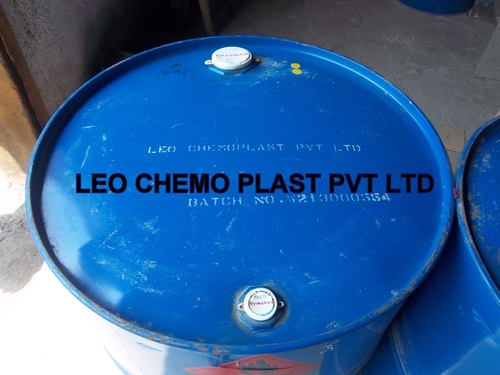
Perchloroethylene
Solubility : Insoluble in water, miscible with most organic solvents
Usage : Solvent for cleaning and degreasing
Type : Other , Industrial Chemical
Physical State : Other, Liquid
Chemical Name : Perchloroethylene
Molecular Weight : 165.83 g/mol
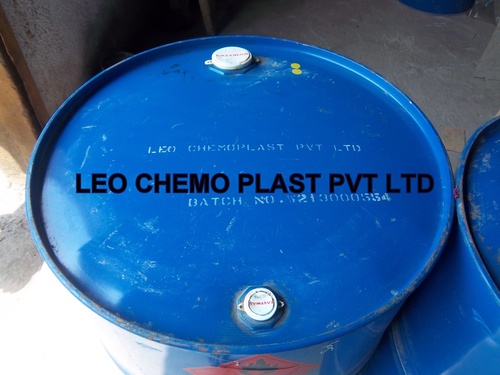
Furfuryl alcohol
Solubility : Soluble in water and organic solvents
Usage : Used in resin synthesis adhesives and foundry applications
Type : Other , Industrial chemical
Physical State : Other, Liquid
Chemical Name : Furfuryl alcohol
Molecular Weight : 98.10 g/mol
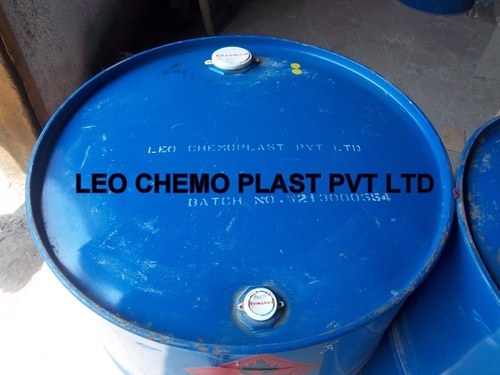
Methanesulfonyl chloride
Solubility : Soluble in organic solvents
Usage : Used in the production of intermediates and chemical synthesis
Type : Other , Industrial chemical
Physical State : Liquid, Other
Chemical Name : Methanesulfonyl chloride
Molecular Weight : 114.54 g/mol
Acrylic acid
Solubility : Miscible with water
Usage : Manufacturing of various polymers and copolymers
Type : Organic monomer, Other
Physical State : Other, Liquid
Chemical Name : Acrylic Acid
Molecular Weight : 72.06 g/mol


 Send Inquiry
Our Products

B/126, Ghatkopar Industrial Estate, Behind R-City Mall, Off. L.B.S. Marg, Ghatkopar (W),Mumbai - 400086, Maharashtra, India

Mr. Sudhir Mehta
(JMD)
Mobile :08045800815
Mr. Hitesh Mehta
(CMD)
 Send Inquiry
 Send SMS
Developed and Managed by Infocom Network Private Limited.
