
Call us now :08045800815
 Send Inquiry
 Send Inquiry
Nonylphenol
Nonylphenol Specification
- Appearance
- Clear to pale yellow viscous liquid
- Density
- 0.960 Gram per cubic centimeter(g/cm3)
- Storage Instructions
- Store in cool, dry, well-ventilated place, away from heat and ignition sources
- Solubility
- Insoluble in water; soluble in organic solvents
- Molecular Weight
- 220230 g/mol (depends on isomer)
- Odour
- Mild, characteristic phenolic odor
- Ph Level
- 5.57.0 (1% solution in water)
- Chemical Name
- Nonylphenol
- Other Names
- 4-Nonylphenol, NP, para-Nonylphenol
- Classification
- Organic Chemical Compound, Alkylphenol
- CAS No
- 25154-52-3
- Type
- Industrial Chemical
- Application
- Surfactant Manufacture, Epoxy Resin Hardener, Antioxidant, Detergent Intermediate
- Application Method
- Industrial processes, Blending, Formulation
- Raw Material
- Derived from phenol and nonene
- Physical State
- Liquid (at room temperature)
- Usage
- Used in detergents, emulsifiers, plastics, lubricating oils, and pesticide formulations
- Shelf Life
- 24 Months (when stored properly)
- Purity(%)
- > 99%
- Drying Time
- N/A (not applicable for non-solid)
- Best Before
- Use within 2 years from production date
- Vapor Pressure
- <0.01 mmHg at 25C
- Polarity
- Moderately polar
- Refractive Index
- 1.4941.500 at 25C
- Stability
- Stable under recommended storage conditions
- HS Code
- 2907.13.00
- Packaging Type
- HDPE drums, steel drums, ISO tanks
- Hazard Class
- Harmful, Dangerous for the environment
- Melting Point
- -8.4C
- Boiling Point
- 295C (approx.)
- Ecological Information
- Hazardous to aquatic life
- Flash Point
- > 150C (closed cup)
- Regulatory Information
- Subject to REACH and other international regulations
About Nonylphenol
Nonylphenols, from the Latin nAnus (number 9) and phenol, are a family of closely related organic compounds composed of phenol bearing a 9 carbon-tail. Nonylphenols can come in numerous structures, all of which may be considered alkylphenols. They are used in manufacturing antioxidants, lubricating oil additives, laundry and dish detergents, emulsifiers, and solubilizers.[2] These compounds are also precursors to the commercially important non-ionic surfactants alkylphenol ethoxylates and nonylphenol ethoxylates, which are used in detergents, paints, pesticides, personal care products, and plastics. Nonylphenol has attracted attention due to its prevalence in the environment and its potential role as an endocrine disruptor and xenoestrogen, due to its ability to act with estrogen-like activity.[3] The estrogenicity and biodegradation heavily depends on the branching of the nonyl sidechain.[4][5][6] Nonylphenol has been found to act as an agonist of the GPER (GPR30).
Key Properties and Appearance
Nonylphenol is a moderately polar liquid at room temperature with a density of 0.960 g/cm3. It has a refractive index of 1.4941.500 at 25C, a melting point of -8.4C, and is clear to pale yellow in appearance. It exhibits a characteristic phenolic odor. The compound is insoluble in water but readily soluble in most organic solvents, making it highly useful for industrial blending and formulation processes.
Applications and Usages
Predominantly used in the manufacture of surfactants, Nonylphenol is also integral to producing epoxy resin hardeners, antioxidants, and detergent intermediates. As a raw material derived from phenol and nonene, it is widely utilized in detergents, emulsifiers, plastics, lubricating oils, and pesticide formulations. Its effectiveness in industrial processes stems from its chemical stability and high purity.
Storage, Stability, and Safety Information
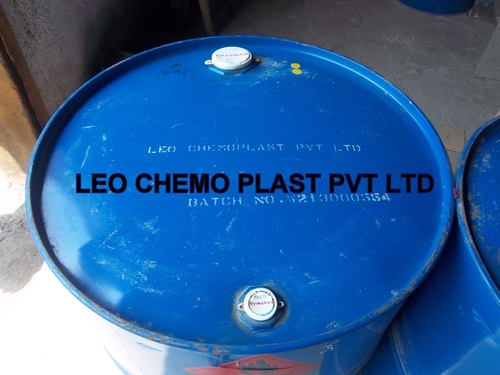
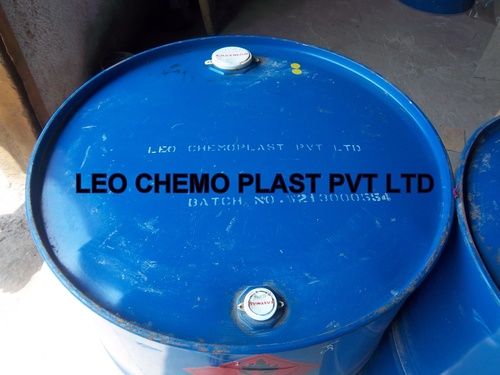
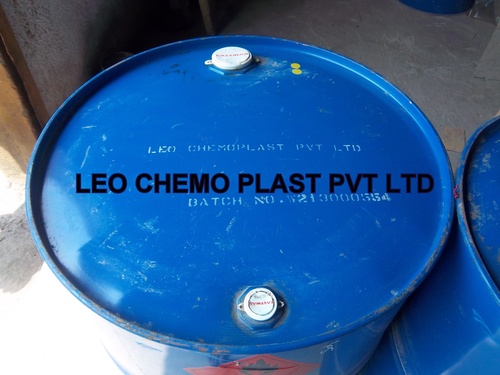
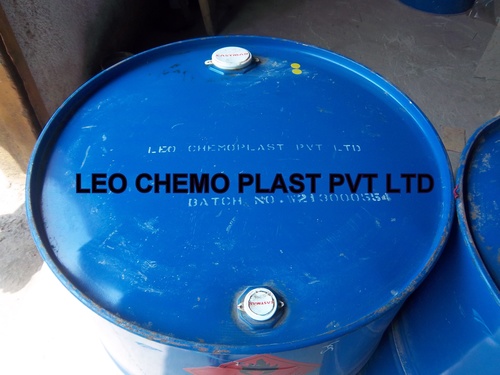
Store Nonylphenol in HDPE drums, steel drums, or ISO tanks, in a cool, dry, well-ventilated area, away from heat and ignition sources. The product remains stable under recommended conditions for up to 24 months. As it is classified as harmful and dangerous to the environment, proper handling, storage, and disposal are crucial to prevent environmental contamination and personal exposure.
FAQs of Nonylphenol:
Q: How is Nonylphenol used in industrial applications?
A: Nonylphenol serves as a key ingredient in the manufacture of surfactants, epoxy resin hardeners, antioxidants, and detergent intermediates. It is blended or formulated into finished products for use in detergents, emulsifiers, plastics, lubricating oils, and certain pesticide formulations.Q: What are the safety precautions for handling Nonylphenol?
A: Due to its classification as harmful and hazardous to aquatic life, Nonylphenol should be handled in well-ventilated areas using appropriate personal protective equipment. Avoid contact with skin and eyes, and ensure the material is stored away from heat and ignition sources.Q: Where should Nonylphenol be stored to maintain its stability?
A: Nonylphenol should be kept in cool, dry, and well-ventilated environments, preferably in HDPE drums, steel drums, or ISO tanks. Avoid direct sunlight and sources of heat to maintain product stability throughout its 24-month shelf life.Q: What regulatory requirements apply to Nonylphenol?
A: Nonylphenol is subject to strict regulations, including REACH and other international chemical safety standards, due to its potential environmental hazards. Importers, distributors, and manufacturers must ensure compliance with all relevant legislation, such as proper labeling, handling, and reporting.Q: What is the process for using Nonylphenol in formulations?
A: Nonylphenol can be incorporated into industrial processes by blending and formulation according to product specifications. It is commonly used as a raw material in the creation of detergents, surfactants, and polymer additives, following standard industrial protocols.Q: What benefits does Nonylphenol offer in industrial products?
A: Nonylphenol enhances the performance of surfactants, resins, and plastic compounds by improving stability, effectiveness, and overall formulation flexibility. Its chemical properties contribute to the efficiency and quality of end-use applications.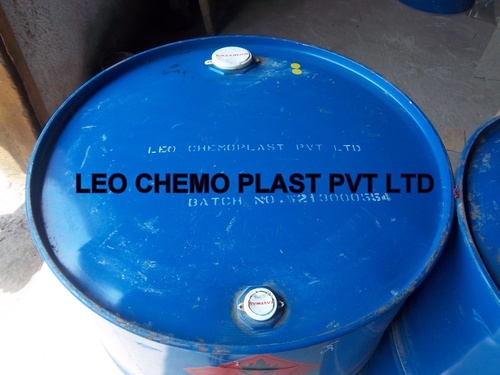
Tell us about your requirement

Price:
Quantity
Select Unit
- 50
- 100
- 200
- 250
- 500
- 1000+
Additional detail
Mobile number
Email

More Products in Organic Solvents Category
Perchloroethylene
Usage : Solvent for cleaning and degreasing
CAS No : 127184
Storage Instructions : Store in cool, dry, wellventilated area away from direct sunlight and ignition sources
Solubility : Insoluble in water, miscible with most organic solvents
Appearance : Clear, colorless liquid
Shelf Life : 2 years from date of manufacture
Hydroquinone
Usage : Laboratory, Industrial, Cosmetic Applications
CAS No : 123319
Storage Instructions : Store in Cool, Dry Place, Protect from Light and Moisture
Solubility : Soluble in Water, Alcohol, Ether; Slightly Soluble in Benzene
Appearance : White to Offwhite Crystalline Powder
Shelf Life : Up to 3 Years if Stored Properly
N-butyl-methacrylate
Usage : Intermediate in polymer production
CAS No : 97869
Storage Instructions : Store in a cool dry place away from direct sunlight
Solubility : Slightly soluble in water soluble in organic solvents
Appearance : Clear liquid
Shelf Life : 1 year
Methyl acrylate
Usage : Industrial and manufacturing processes
CAS No : 96333
Storage Instructions : Store in tightly sealed containers in a cool, dry, wellventilated area away from sources of ignition
Solubility : Soluble in alcohol and ether; slightly soluble in water
Appearance : Clear, colorless liquid
Shelf Life : 12 months (in original sealed container)


 Send Inquiry
Our Products

B/126, Ghatkopar Industrial Estate, Behind R-City Mall, Off. L.B.S. Marg, Ghatkopar (W),Mumbai - 400086, Maharashtra, India

Mr. Sudhir Mehta
(JMD)
Mobile :08045800815
Mr. Hitesh Mehta
(CMD)
 Send Inquiry
 Send SMS
Developed and Managed by Infocom Network Private Limited.
