
Call us now :08045800815
 Send Inquiry
 Send Inquiry
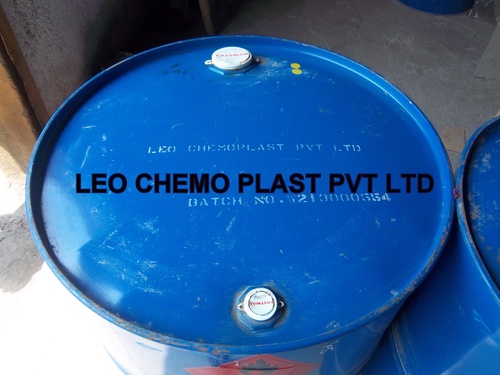
Propionic acid
About Propionic acid
Propionic acid (from the Greek words protos, meaning "first", and pion, meaning "fat"; also known as propanoic acid) is a naturally occurring carboxylic acid with chemical formula CH3CH2CO2H. It is a liquid with a pungent and unpleasant smell somewhat resembling body odor. The anionCH3CH2CO2 as well as the salts and esters of propionic acid are known as propionates or propanoates.
Propionic acid inhibits the growth of mold and some bacteria at the levels between 0.1 and 1% by weight. As a result, most propionic acid produced is consumed as a preservative for both animal feed and food for human consumption. For animal feed, it is used either directly or as its ammoniumsalt. The antibiotic Monensin is added to cattle feed to favor propionibacteria over acetic acid producers in the rumen; this produces less carbon dioxide and feed conversion is better. This application accounts for about half of the world production of propionic acid. Another major application is as a preservative in baked goods, which use the sodium and calcium salts.
Propionic acid is also useful as an intermediate in the production of other chemicals, especially polymers.Cellulose-acetate-propionate is a useful thermoplastic. Vinyl propionate is also used. In more specialized applications, it is also used to make pesticides and pharmaceuticals. The esters of propionic acid have fruit-like odors and are sometimes used as solvents or artificial flavorings.
In biogas plants, propionic acid is a common intermediate product, which is formed by fermentation with propionic acid bacteria. Its degradation in anaerobic environments (e.g. biogas plants) requires the activity of complex microbial communities.
Tell us about your requirement

Price:
Quantity
Select Unit
- 50
- 100
- 200
- 250
- 500
- 1000+
Additional detail
Mobile number
Email

More Products in Organic Acids Category
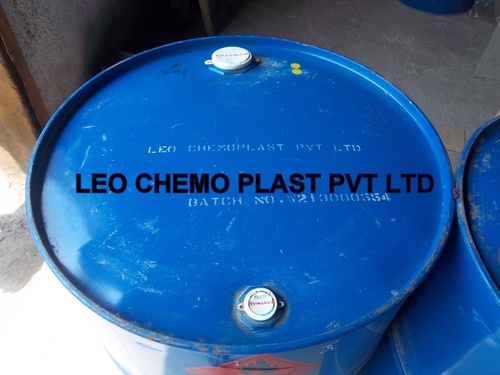
Itaconic acid
Purity : null
CAS No : null
Grade : Other, null
Application : null
Melting Point : null
Classification : null, Other
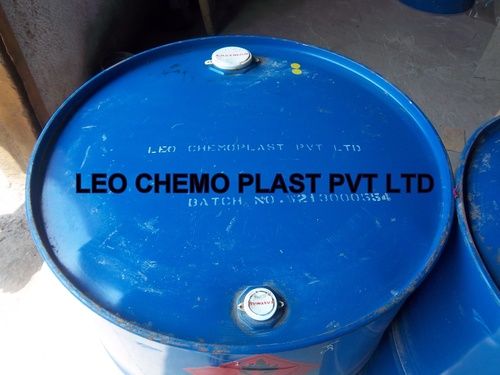
Adipic Acid
Purity : 99%
CAS No : 124049
Grade : Industrial Grade
Application : Used in the production of nylon and polyurethane and as a raw material for plasticizers and resins
Melting Point : 152C
Classification : Other, Organic acid
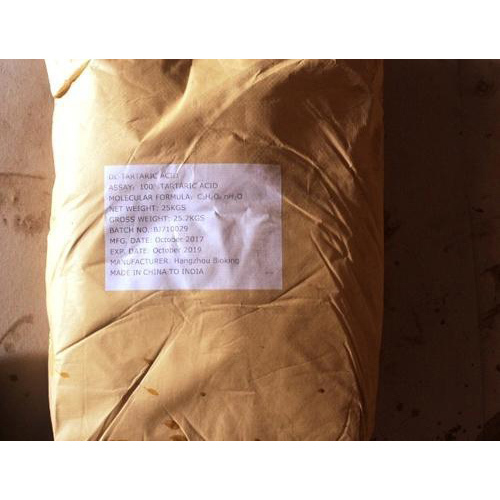
Dl Tartaric Acid
Purity : 99%
CAS No : 133379
Grade : Other, Food Grade, Pharmaceutical Grade
Application : Food, Pharmaceutical, Cosmetic, Chemical Industry
Melting Point : 200 C (392 F)
Classification : Organic Acids

Methacrylic Acid
Purity : High
CAS No : 79414
Grade : Industrial Grade
Application : Industrial
Melting Point : 15 C
Classification : Organic Acids


 Send Inquiry
Our Products

B/126, Ghatkopar Industrial Estate, Behind R-City Mall, Off. L.B.S. Marg, Ghatkopar (W),Mumbai - 400086, Maharashtra, India

Mr. Sudhir Mehta
(JMD)
Mobile :08045800815
Mr. Hitesh Mehta
(CMD)
 Send Inquiry
 Send SMS
Developed and Managed by Infocom Network Private Limited.
