
Call us now :08045800815
 Send Inquiry
 Send Inquiry
Resorcinol
Resorcinol Specification
- Solubility
- Soluble in water, alcohol, and ether
- Storage Instructions
- Store in a cool, dry, and well-ventilated place in tightly closed containers
- Molecular Weight
- 110.11 g/mol
- Ph Level
- 5.0 - 6.5 (10 g/L, HO, 20C)
- Odour
- Slight phenolic odour
- Density
- 1.27 Gram per cubic centimeter(g/cm3)
- Appearance
- White to faint pink crystalline solid
- Chemical Name
- Resorcinol
- Other Names
- 1,3-Benzenediol; m-Dihydroxybenzene
- Classification
- Aromatic Diol, Phenolic Compound
- CAS No
- 108-46-3
- Type
- Industrial Grade, Laboratory Grade
- Application
- Adhesives, Pharmaceuticals, Hair Dyes, Rubber Industry, Chemical Intermediates
- Application Method
- Direct application or as an intermediate in formulations
- Raw Material
- Phenol
- Physical State
- Solid (Crystalline Powder)
- Usage
- Used in the manufacturing of resins, adhesives, UV absorbers, dyes, and pharmaceuticals
- Shelf Life
- 3 Years
- Purity(%)
- >99%
- Drying Time
- Depends on application/use
- Best Before
- 36 Months from date of manufacturing
- Packaging Type
- 25 kg HDPE Drum, Fiber Drum, or as required
- Hazard Class
- Irritant, Harmful if swallowed or inhaled
- Melting Point
- 110-112°C
- Boiling Point
- 277-280°C
- Refractive Index
- 1.553
- EC No
- 203-585-2
- Flash Point
- 127°C (Closed cup)
- Stability
- Stable under recommended storage conditions
- HS Code
- 29072100
About Resorcinol
Resorcinol (or resorcin) is a benzenediol (m-dihydroxybenzene).
Used externally, it is an antiseptic and disinfectant, and is used 5 to 10% in ointments in the treatment of chronic skin diseases such as psoriasis, hidradenitis suppurativa, and eczema of a sub-acute character.It is present in over-the-counter topical acne treatments at 2% or less concentration, and in prescription treatments at higher concentrations. Weak, watery solutions of resorcinol (25 to 35 g/kg) are useful in allaying the itching in erythematous eczema.A 2% solution used as a spray has been used with marked effect in hay fever and in whooping cough. In the latter disease 0.6 mL of the 2% solution has been given internally. It can be included as an anti-dandruff agent in shampoo or in sunscreencosmetics. It has also been employed in the treatment of gastric ulcers in doses of 125 to 250 mg in pills, and is said to be analgesic and haemostatic in its action. In large doses, it is a poison, causing giddiness, deafness, salivation, sweating, and convulsions. It is also worked up in certain medicated soaps. Monoacetylresorcinol, C6H4(OH)(O-COCH3), is used under the name of euresol. Resorcinol is one of the active ingredients in products such as Resinol, Vagisil, and Clearasil.
Resorcinol is also used as a chemical intermediate for the synthesis of pharmaceuticals and other organic compounds. It is used in the production of diazo dyes and plasticizers and as a UVabsorber in resins.
An emerging use of resorcinol is as a template molecule in supramolecular chemistry. The -OH groups on resorcinol form hydrogen bonds to target molecules, holding them in the proper orientation for a reaction. Many such reactions are able to be carried out in the solid state, thereby reducing or eliminating the use of solvents that may be harmful to the environment. (see Green chemistry)
Resorcinol is an analytical reagent for the qualitative determination of ketoses (Seliwanoff's test).
Resorcinol is the starting material for resorcinarene molecules and the initiating explosive lead styphnate.
Resorcinol reacts with formaldehyde to form a thermoset resin which can form the basis of an aerogel.
Versatile Applications Across Industries
Resorcinol serves as a critical component in manufacturing resins, adhesives, dyes, pharmaceuticals, and UV absorbers. Its efficacy as a chemical intermediate lends itself to both industrial and laboratory uses. The compounds excellent solubility and high purity ensure consistent results in a diverse range of chemical processes and product formulations.
Safe Handling and Storage
While resorcinol is stable under recommended storage conditions, it requires careful handling due to its classification as an irritant and its harmful nature if swallowed or inhaled. Always store resorcinol in a cool, dry, and well-ventilated area inside tightly closed containers. Personal protective equipment is strongly advised during handling to maintain safety.
FAQs of Resorcinol:
Q: How should resorcinol be stored to maintain its stability and purity?
A: Resorcinol should be stored in a cool, dry, and well-ventilated place inside tightly sealed containers. This practice maintains product stability, prevents contamination, and extends its shelf life up to 3 years.Q: What are the main industrial applications of resorcinol?
A: Resorcinol is primarily used in the manufacturing of adhesives, rubber industry products, pharmaceuticals, hair dyes, UV absorbers, and chemical intermediates. Its high purity and versatile reactivity make it suitable for both specialized and large-scale industrial applications.Q: When is resorcinol typically used in product formulations?
A: Resorcinol is added directly or as a chemical intermediate during the formulation process of adhesives, dyes, pharmaceuticals, and resins. The timing depends on the specific process requirements and desired end-use product.Q: Where can resorcinol be sourced in India?
A: Resorcinol can be procured from chemical distributors and suppliers throughout India, typically supplied in 25 kg HDPE or fiber drums tailored to customer specification.Q: What are the recommended usage precautions for resorcinol?
A: Wear appropriate personal protective equipment, such as gloves and masks, to avoid skin contact or inhalation. As an irritant that is harmful if swallowed or inhaled, handling in a well-ventilated environment is essential.Q: What benefits does resorcinol offer in adhesive and dye formulations?
A: Resorcinol provides strong bonding properties and enhanced durability in adhesives. In dye formulations, it offers stability and effective coloration, making it a valuable ingredient in both industrial and cosmetic applications.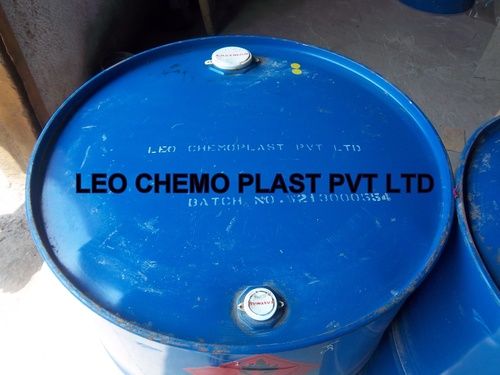
Tell us about your requirement

Price:
Quantity
Select Unit
- 50
- 100
- 200
- 250
- 500
- 1000+
Additional detail
Mobile number
Email

More Products in Organic Solvents Category
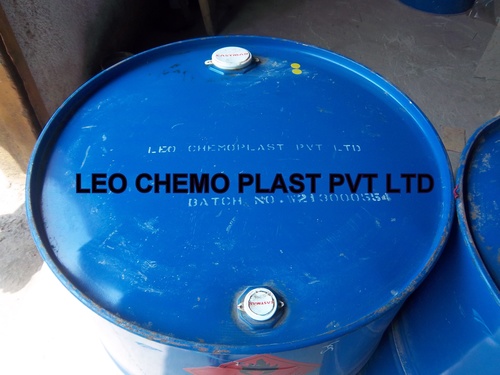
Piperazine Anhydrous
CAS No : 110850
Appearance : White crystalline
Storage Instructions : Store in cool, dry place; tightly sealed container
Usage : Industrial; laboratory
Shelf Life : 2 Years
Chemical Name : Piperazine Anhydrous
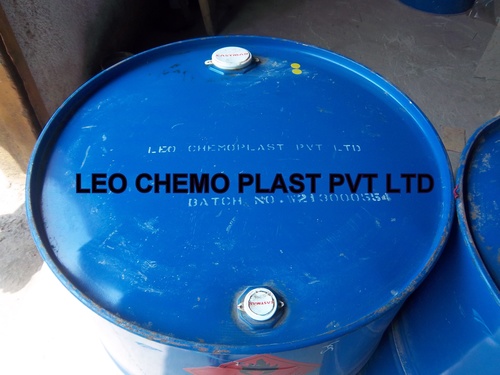
Triethylenetetramine 1
CAS No : 112243
Appearance : Clear to pale yellow liquid
Storage Instructions : Store tightly closed in a cool, wellventilated area, away from acids
Usage : For industrial use in various chemical processes
Shelf Life : 24 months
Chemical Name : Triethylenetetramine

Tri-n-Butylamine (TNBA)
CAS No : Not available from the provided image
Appearance : Not available from the provided image
Storage Instructions : Not available from the provided image
Usage : Not available from the provided image
Shelf Life : Stated Name: Leo Chemo Plast Pvt Ltd (No specific data available)
Chemical Name : TrinButylamine (TNBA)
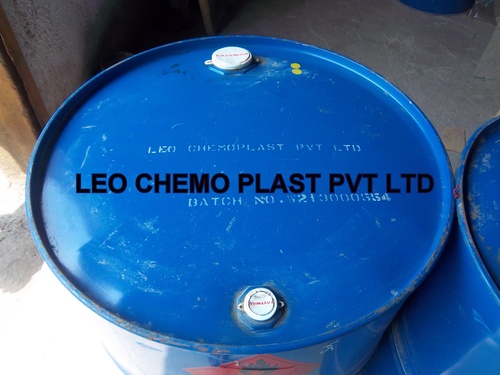
Diethylenetriamine
CAS No : 111400
Appearance : Colorless to pale yellow liquid
Storage Instructions : Store in cool dry and wellventilated area away from heat and direct sunlight.
Usage : Intermediate chemical in organic synthesis epoxy curing agent and corrosion inhibitor production
Shelf Life : 2 years
Chemical Name : Diethylenetriamine


 Send Inquiry
Our Products

B/126, Ghatkopar Industrial Estate, Behind R-City Mall, Off. L.B.S. Marg, Ghatkopar (W),Mumbai - 400086, Maharashtra, India

Mr. Sudhir Mehta
(JMD)
Mobile :08045800815
Mr. Hitesh Mehta
(CMD)
 Send Inquiry
 Send SMS
Developed and Managed by Infocom Network Private Limited.
