
Call us now :08045800815
 Send Inquiry
 Send Inquiry
Sodium Metal
Sodium Metal Specification
- Smell
- Odorless
- Melting Point
- 97.79C
- Other Names
- Metallic sodium
- Purity
- 99.9%
- Ph Level
- (non-aqueous form)
- Molecular Weight
- 22.99
- Storage
- Stored in kerosene or inert atmosphere to prevent reaction with air or moisture.
- Boiling point
- 883C
- Solubility
- Insoluble in water; reacts violently with water.
- Density
- 0.97 Gram per cubic centimeter(g/cm3)
- Taste
- (not suitable for consumption due to reactivity)
- Poisonous
- No
- Structural Formula
- Na
- Form
- Solid
- HS Code
- 280511
- Shape
- Blocks or Cylinders
- Refractive Rate
- (metals generally do not have refractive indices)
- Molecular Formula
- Na
- Classification
- Alkali Metal
- Chemical Name
- Sodium
- CAS No
- 7440-23-5
- EINECS No
- 231-132-9
- Grade
- Industrial Grade
- Standard
- ASTM D1005
- Type
- Metal
- Usage
- Chemical synthesis pharmaceutical intermediates nuclear reactor coolants and reducing agent in metallurgy.
- Main Material
- Sodium (Na)
- Application
- Chemical manufacturing pharmaceuticals energy storage and heat exchange systems.
About Sodium Metal
Sodium MetalWe offer Sodium Metal. The metal is used in food and beverage products. It is currently used in wheat and corn tortillas, sour dough and rye breads, refrigerated biscuit dough, fruit juice and nutraceutical drinks, gelatin desserts, gelling aids, pie fillings and wine. At our vendors end, this is produced chemically from maleic anhydride, which in turn is produced from butane.
FAQs of Sodium Metal:
Q: What is the purity of Sodium Metal?
A: 99.9%Q: What is the main application of Sodium Metal?
A: Chemical manufacturing, pharmaceuticals, energy storage, and heat exchange systems.Q: What is the classification of Sodium Metal?
A: Alkali MetalQ: How should Sodium Metal be stored?
A: Sodium Metal should be stored in kerosene or inert atmosphere to prevent reaction with air or moisture.Q: Is Sodium Metal poisonous?
A: Sodium Metal is non-toxic but highly reactive and corrosive.
Tell us about your requirement

Price:
Quantity
Select Unit
- 50
- 100
- 200
- 250
- 500
- 1000+
Additional detail
Mobile number
Email

More Products in Industrial Chemicals Category
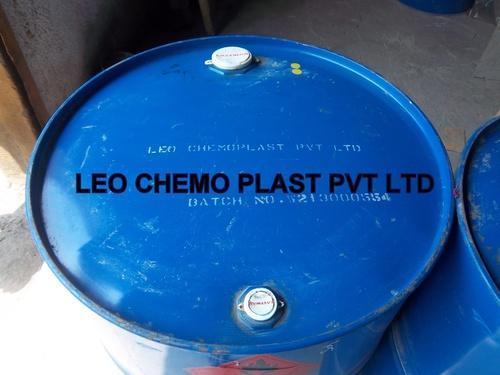
Ethyl Chloro Formate
Refractive Rate : 1.389
Molecular Formula : C3H5ClO2
Usage : Used in the production of pharmaceuticals agrochemicals and dyes. Also employed as a reagent in chemical synthesis.
Classification : Organic Intermediates
CAS No : 541413
Structural Formula : CH3CH2OCOCl

Dimethyl Acetamide
Refractive Rate : 1.4371 (20 C)
Molecular Formula : C4H9NO
Usage : Solvent in organic synthesis resins fibers and pharmaceuticals
Classification : Chemical Substance, Other
CAS No : 127195
Structural Formula : CH3C(O)N(CH3)2
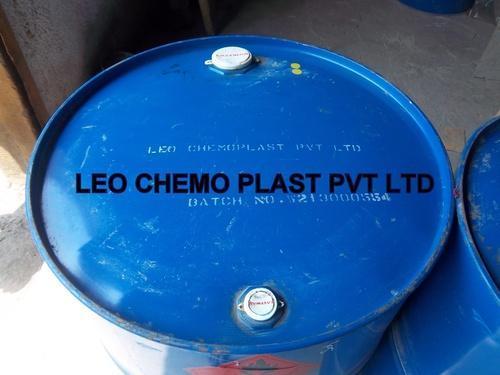
Para Octyl Phenol
Refractive Rate : 1.510 1.516
Molecular Formula : C14H22O
Usage : Used as a raw material in the production of resins surfactants and lubricants; also in the synthesis of emulsifiers and stabilizers.
Classification : Organic Chemical, Other
CAS No : 1806264
Structural Formula : C8H17C6H4OH

Phenyl Chloroformate
Refractive Rate : 1.524
Molecular Formula : C7H5ClO2
Usage : Used as a reactant in the synthesis of pharmaceuticals and agrochemicals
Classification : Organic Chemical, Other
CAS No : 1885149
Structural Formula : C6H5OC(O)Cl


 Send Inquiry
Our Products

B/126, Ghatkopar Industrial Estate, Behind R-City Mall, Off. L.B.S. Marg, Ghatkopar (W),Mumbai - 400086, Maharashtra, India

Mr. Sudhir Mehta
(JMD)
Mobile :08045800815
Mr. Hitesh Mehta
(CMD)
 Send Inquiry
 Send SMS
Developed and Managed by Infocom Network Private Limited.
