
Call us now :08045800815
 Send Inquiry
 Send Inquiry
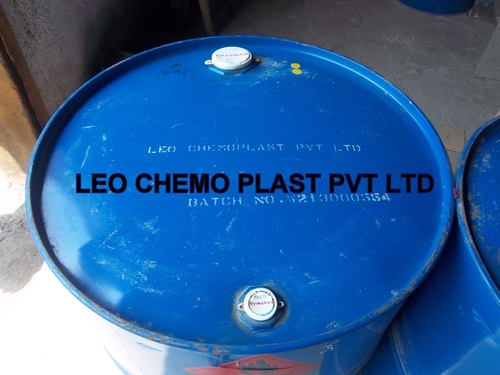
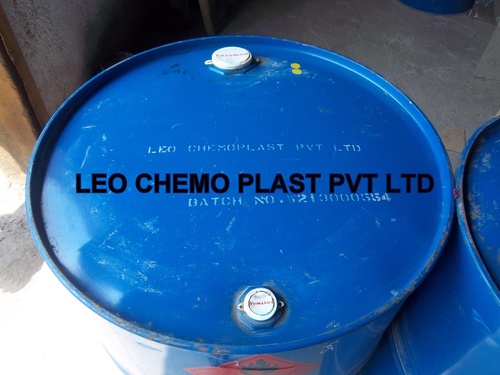
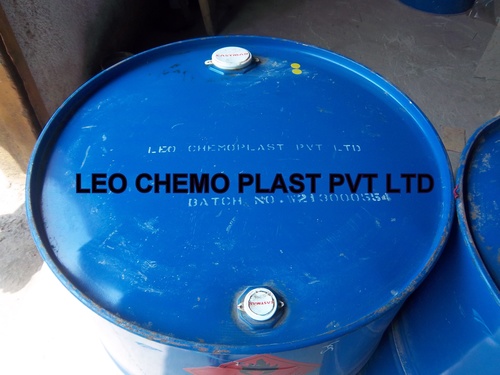
Tetrahydrofuran 1
Tetrahydrofuran 1 Specification
- Molecular Weight
- 72.11 g/mol
- Solubility
- Miscible with water, alcohol, ether, acetone
- Appearance
- Clear, colorless liquid
- Ph Level
- Neutral (pH 7, as an organic solvent)
- Storage Instructions
- Store in tightly closed containers, in a cool, dry, well-ventilated area, away from heat/sources of ignition
- Density
- 0.888 Gram per cubic centimeter(g/cm3)
- Odour
- Mild, ether-like
- Chemical Name
- Tetrahydrofuran 1
- Other Names
- THF; Oxolane; 1,4-Epoxybutane; Butylene oxide
- Classification
- Organic Solvent/Ether
- CAS No
- 109-99-9
- Type
- Laboratory Chemical/Analytical Reagent
- Application
- Solvent for PVC and elastomers, Pharmaceutical synthesis, Polymer industry, Adhesive formulations
- Application Method
- Direct use as solvent or reactant
- Raw Material
- Butanediol
- Physical State
- Liquid
- Usage
- Laboratory, Industrial, Pharmaceutical, R&D, Manufacturing processes
- Shelf Life
- 24 Months (unopened in recommended conditions)
- Purity(%)
- 99.9
- Drying Time
- Not applicable (volatile solvent)
- Best Before
- See label for manufacturing date; use within 2 years
- Flash Point
- 21C (closed cup)
- Boiling Point
- 66C (151F)
- Precautions
- Avoid breathing vapours, keep away from open flames, use personal protective equipment
- Melting Point
- 108.5C (163.3F)
- Auto Ignition Temperature
- 321C
- Vapour Density
- 2.5 (air = 1)
- UN/NA Number
- UN2056
- Packaging Type
- Sealed glass or metal drums, HDPE containers
- Vapour Pressure
- 173 mmHg at 20C
- Ecological Information
- Harmful to aquatic life, requires proper disposal
- Refractive Index (n20)
- 1.407
- Hazard Class
- Flammable Liquid (Class 3)
- Stability
- Stable under recommended storage conditions, may form peroxides on prolonged exposure to air
About Tetrahydrofuran 1
Tetrahydrofuran (THF) is an organic compound with the formula (CH2)4O. The compound is classified as heterocyclic compound, specifically a cyclic ether. It is a colorless, water-miscible organic liquid with low viscosity. It is mainly used as a precursor to polymers.[5] Being polar and having a wide liquid range, THF is a versatile solvent.
Polymerization
In the presence of strong acids, THF converts to a linear polymer called poly(tetramethylene ether) glycol (PTMEG), also known as polytetramethylene oxide (PTMO):
n C4H8O (CH2CH2CH2CH2O)n
This polymer is primarily used to make elastomeric polyurethane fibers like Spandex.[10]
As a solvent
The other main application of THF is as an industrial solvent for polyvinyl chloride (PVC) and in varnishes.[5] It is an aprotic solvent with a dielectric constant of 7.6. It is a moderately polar solvent and can dissolve a wide range of nonpolar and polar chemical compounds.THF is water-miscible and can form solid clathrate hydrate structures with water at low temperatures.
THF has been explored as a miscible co-solvent in aqueous solution to aid in the liquefaction and delignification of plant lignocellulosic biomass for production of renewable platform chemicals and sugars as potential precursors to biofuels.Aqueous THF augments the hydrolysis of glycansfrom biomass and dissolves the majority of biomass lignin making it a suitable solvent for biomass pretreatment.
THF is often used in polymer science. For example, it can be used to dissolve polymers prior to determining their molecular mass using gel permeation chromatography. THF dissolves PVC as well, and thus it is the main ingredient in PVC adhesives. It can be used to liquefy old PVC cement and is often used industrially to degrease metal parts.
THF is used as a component in mobile phases for reversed-phase liquid chromatography. It has a greater elution strength than methanol or acetonitrile, but is less commonly used than these solvents.
THF is used as a solvent in 3D printing when using PLA plastics. It can be used to clean clogged 3D printer parts, as well as when finishing prints to remove extruder lines and add a shine to the finished product.
Laboratory use
In the laboratory, THF is a popular solvent when its water miscibility is not an issue. It is more basic than diethyl ether and forms stronger complexes with Li+, Mg2+, and boranes. It is a popular solvent for hydroboration reactions and for organometallic compounds such as organolithiumand Grignard reagents. Although similar to diethyl ether, THF is a stronger base. Thus, while diethyl ether remains the solvent of choice for some reactions (e.g., Grignard reactions), THF fills that role in many others, where strong coordination is desirable and the precise properties of ethereal solvents such as these (alone and in mixtures and at various temperatures) allows fine-tuning modern chemical reactions.
Commercial THF contains substantial water that must be removed for sensitive operations, e.g. those involving organometallic compounds. Although THF is traditionally dried by distillation from an aggressive desiccant, molecular sieves are superior.
Polymerization
In the presence of strong acids, THF converts to a linear polymer called poly(tetramethylene ether) glycol (PTMEG), also known as polytetramethylene oxide (PTMO):
n C4H8O (CH2CH2CH2CH2O)n
This polymer is primarily used to make elastomeric polyurethane fibers like Spandex.[10]
As a solvent
The other main application of THF is as an industrial solvent for polyvinyl chloride (PVC) and in varnishes.[5] It is an aprotic solvent with a dielectric constant of 7.6. It is a moderately polar solvent and can dissolve a wide range of nonpolar and polar chemical compounds.THF is water-miscible and can form solid clathrate hydrate structures with water at low temperatures.
THF has been explored as a miscible co-solvent in aqueous solution to aid in the liquefaction and delignification of plant lignocellulosic biomass for production of renewable platform chemicals and sugars as potential precursors to biofuels.Aqueous THF augments the hydrolysis of glycansfrom biomass and dissolves the majority of biomass lignin making it a suitable solvent for biomass pretreatment.
THF is often used in polymer science. For example, it can be used to dissolve polymers prior to determining their molecular mass using gel permeation chromatography. THF dissolves PVC as well, and thus it is the main ingredient in PVC adhesives. It can be used to liquefy old PVC cement and is often used industrially to degrease metal parts.
THF is used as a component in mobile phases for reversed-phase liquid chromatography. It has a greater elution strength than methanol or acetonitrile, but is less commonly used than these solvents.
THF is used as a solvent in 3D printing when using PLA plastics. It can be used to clean clogged 3D printer parts, as well as when finishing prints to remove extruder lines and add a shine to the finished product.
Laboratory use
In the laboratory, THF is a popular solvent when its water miscibility is not an issue. It is more basic than diethyl ether and forms stronger complexes with Li+, Mg2+, and boranes. It is a popular solvent for hydroboration reactions and for organometallic compounds such as organolithiumand Grignard reagents. Although similar to diethyl ether, THF is a stronger base. Thus, while diethyl ether remains the solvent of choice for some reactions (e.g., Grignard reactions), THF fills that role in many others, where strong coordination is desirable and the precise properties of ethereal solvents such as these (alone and in mixtures and at various temperatures) allows fine-tuning modern chemical reactions.
Commercial THF contains substantial water that must be removed for sensitive operations, e.g. those involving organometallic compounds. Although THF is traditionally dried by distillation from an aggressive desiccant, molecular sieves are superior.
Versatile Solvent for Diverse Applications
Tetrahydrofuran 1 stands out as a crucial solvent in pharmaceuticals, polymers, adhesives, and R&D processes. Its high purity and chemical stability enable effective dissolving and processing of various materials, making it a preferred choice in laboratory, industrial, and manufacturing environments.
Safe Handling and Storage Guidelines
This highly flammable liquid must be stored in tightly closed glass, metal, or HDPE containers, in cool, dry, and well-ventilated areas, away from ignition sources. Prolonged air exposure should be avoided to prevent peroxide formation, and the use of personal protective equipment is essential to ensure laboratory and workplace safety.
Environmental Responsibility and Disposal
Tetrahydrofuran 1 is harmful to aquatic organisms and requires careful, regulated disposal after use. Adhering to local environmental guidelines helps prevent ecological harm while maintaining compliance for laboratory and industrial users.
FAQs of Tetrahydrofuran 1:
Q: How should Tetrahydrofuran 1 be safely stored to maintain its stability?
A: Tetrahydrofuran 1 should be kept in sealed glass, metal, or HDPE containers, placed in a cool, dry, and well-ventilated area away from heat and sources of ignition. Proper storage prevents dangerous peroxide formation and preserves product quality for up to 24 months.Q: What is the recommended usage of Tetrahydrofuran 1 in industry and laboratories?
A: THF is used as a direct solvent or reactant for dissolving PVC and elastomers, in pharmaceutical synthesis, polymer manufacturing, and adhesive formulations. Its miscibility and volatility make it particularly effective in chemical processes and analytical research.Q: When should Tetrahydrofuran 1 be discarded, and how is it disposed of?
A: Tetrahydrofuran 1 should be discarded if past its shelf life (24 months) or if signs of peroxide formation appear. Disposal must comply with local environmental regulations to avoid harm to aquatic life, usually by incineration or through professional chemical waste management services.Q: Where can Tetrahydrofuran 1 be sourced, and what packaging is provided?
A: This chemical is supplied by distributors and suppliers (notably in India), and packaged in sealed glass or metal drums and HDPE containers for safe handling and transportation.Q: What safety measures should be taken when using Tetrahydrofuran 1?
A: Users must wear personal protective equipment, ensure good ventilation to avoid inhaling vapors, keep the substance away from open flames, and avoid prolonged exposure to air to minimize risks associated with its high flammability and possible peroxide formation.Q: How does Tetrahydrofuran 1 benefit manufacturing and research processes?
A: THFs strong solvency, rapid evaporation, and compatibility with various substances make it invaluable for efficient material processing in manufacturing, laboratory analysis, and pharmaceutical production, accelerating workflows and yielding consistently pure results.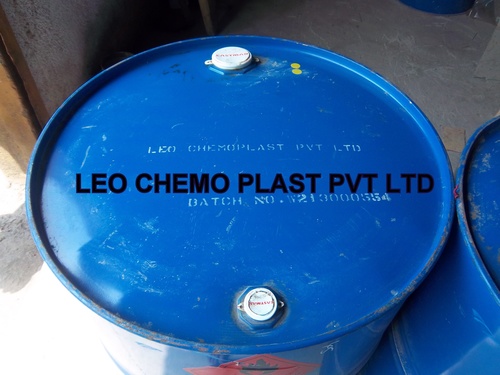
Tell us about your requirement

Price:
Quantity
Select Unit
- 50
- 100
- 200
- 250
- 500
- 1000+
Additional detail
Mobile number
Email

More Products in Organic Solvents Category
Perchloroethylene
Solubility : Insoluble in water, miscible with most organic solvents
Appearance : Clear, colorless liquid
Chemical Name : Perchloroethylene
Molecular Weight : 165.83 g/mol
Type : Other , Industrial Chemical
Application Method : Other, Direct use in equipment or as a formulated blend
Methyl Acetoacetate
Solubility : Not visible in the image
Appearance : Not visible in the image
Chemical Name : Methyl Acetoacetate
Molecular Weight : Not visible in the image
Type : Other , Not visible in the image
Application Method : Other, Not visible in the image
Acrylic acid
Solubility : Miscible with water
Appearance : Colorless liquid
Chemical Name : Acrylic Acid
Molecular Weight : 72.06 g/mol
Type : Organic monomer, Other
Application Method : Dependent on the specific industrial process, Other


 Send Inquiry
Our Products

B/126, Ghatkopar Industrial Estate, Behind R-City Mall, Off. L.B.S. Marg, Ghatkopar (W),Mumbai - 400086, Maharashtra, India

Mr. Sudhir Mehta
(JMD)
Mobile :08045800815
Mr. Hitesh Mehta
(CMD)
 Send Inquiry
 Send SMS
Developed and Managed by Infocom Network Private Limited.
