
Call us now :08045800815
 Send Inquiry
 Send Inquiry
Butyl Glycol Acetate
Butyl Glycol Acetate Specification
- Ph Level
- Neutral
- Storage Instructions
- Store in a tightly closed container in a cool, dry, and well-ventilated area, away from heat and sources of ignition
- Solubility
- Miscible with organic solvents; moderate solubility in water
- Odour
- Mild, ester-like odour
- Molecular Weight
- 160.21 g/mol
- Density
- 0.960 Gram per cubic centimeter(g/cm3)
- Appearance
- Clear, colorless liquid
- Chemical Name
- Butyl Glycol Acetate
- Other Names
- 2-Butoxyethyl acetate; Glycol Acetic Acid Butyl Ether, Butoxyethyl Acetate
- Classification
- Solvent / Ester
- CAS No
- 112-07-2
- Type
- Industrial Chemical
- Application
- Used as solvent in coatings, paints, lacquers, inks, adhesives, and cleaning agents
- Application Method
- Direct use as a blending or formulation solvent
- Raw Material
- Derived from ethylene oxide and butanol
- Physical State
- Liquid
- Usage
- Solvent for resins, oils, and waxes; cleaning agent
- Shelf Life
- 12 months in unopened original container
- Purity(%)
- 99% min
- Drying Time
- Dependent on application and environmental conditions
- Best Before
- Use within 12 months from manufacture
- Boiling Point
- 192C
- HS Code
- 29153990
- Compatibility
- Compatible with most organic solvents and resins
- Auto Ignition Temperature
- 225C
- Stability
- Stable under recommended storage conditions
- Flash Point
- 67C (closed cup)
- Hazard Class
- Not classified as a hazardous substance for transport
- Environmental Information
- Biodegradable under aerobic conditions
- Vapour Pressure
- 0.4 mmHg at 20C
- Melting Point
- -64C
- Transport Information
- Keep tightly sealed and upright during transport
- Viscosity
- 1.88 mPas at 25C
- Packing
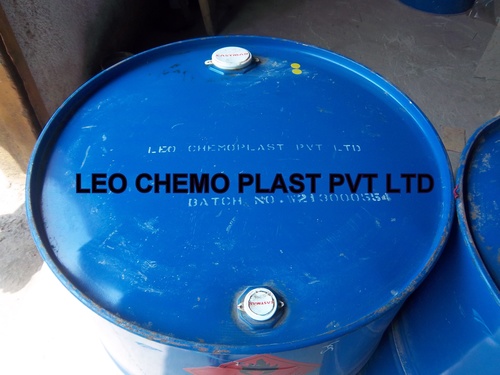
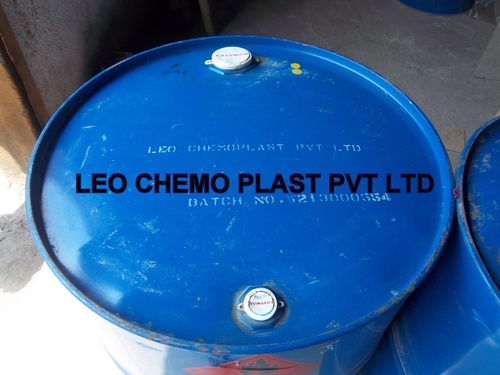
- Available in 200 kg drums, IBCs, and bulk tankers
- Refractive Index
- 1.418 at 20C
About Butyl Glycol Acetate
Butyl Glycol Acetate
Physical and Chemical Properties
| Physical state and Appearance | Colorless Liquid |
|---|---|
| Odor | Fruity, Pleasant, sweet, fruity odor |
| Molecular Weight | 160.21084g/mole |
| Color | Clear Colorless |
| Boiling Point(C) | 192 deg C |
| Flash point | 160 deg F (71 deg C) (closed cup) |
| Melting Point | -63.5 deg C |
| Specific Gravity | 0.9422 at 20 deg C/20 deg C |
| Vapor Pressure | 0.375 mm Hg at 20 deg C |
| Vapor Density | 5.5 (Air = 1) |
| Water/Oil Dist. Coeff | log Kow = 1.57 (est) |
| Dispersion Properties | Index of Refraction: 1.4200 at 20 DEG C |
| Solubility | Soluble in hydrocarbons and organic solvents |
| Purity (wt %) | 98% w/w |
| Percent in saturated air | approx 0.044-0.06 at 25 deg C |
| Conversion factors | 1 ppm is equiv to 6.54 mg/cu m; 1 mg/l is equiv to 157 ppm at 25 deg C, 760 mm Hg |
| Henry's Law constant | 5.46X10⁻⁶ atm-cu m/mol |
| Hydroxyl radical reaction rate constant | 2.1X10⁻¹¹ cu cm/molec-sec at 25 deg C (est) |
Versatile Solvent for Multiple Industries
Butyl Glycol Acetate excels as a solvent due to its effectiveness in dissolving resins, oils, waxes, and numerous organic compounds. Its chemical stability and compatibility make it a preferred choice in the formulation of paints, coatings, inks, adhesives, and industrial cleaners, offering manufacturers and formulators reliable performance and enhanced product results.
Safe Handling and Storage Guidelines
For optimal stability and product longevity, Butyl Glycol Acetate should be stored in tightly closed containers, placed in cool, dry and well-ventilated spaces. Avoid exposure to heat and sources of ignition. While it is not classified as a hazardous material for transport, containers should remain upright and sealed during movement to prevent accidental leaks or contamination.
FAQs of Butyl Glycol Acetate:
Q: How can Butyl Glycol Acetate be used in industrial processes?
A: Butyl Glycol Acetate is commonly used as a solvent in the manufacture of paints, coatings, lacquers, inks, and adhesives. It is also effective in cleaning applications where dissolving resins, oils, or waxes is required.Q: What is the recommended storage process for Butyl Glycol Acetate?
A: Store Butyl Glycol Acetate in a tightly closed container, in a cool, dry, and well-ventilated area. It is important to keep it away from heat sources and ignition points to ensure both safety and product quality.Q: When should Butyl Glycol Acetate be used by for optimal performance?
A: For best results, it is advised to use Butyl Glycol Acetate within 12 months from the date of manufacture. Keep the container unopened to maintain its purity and effectiveness.Q: Where can Butyl Glycol Acetate be sourced in India?
A: It is widely available through authorized distributors and suppliers across India, typically offered in packaging options such as 200 kg drums, IBCs, and bulk tankers to suit different industrial requirements.Q: What are the key benefits of using Butyl Glycol Acetate over other solvents?
A: Butyl Glycol Acetate provides high solvency, compatibility with many organic materials, a moderate drying time, and contributes to cleaner finishes in coatings and inks. Its biodegradability also offers an environmental advantage over less sustainable alternatives.Q: Is Butyl Glycol Acetate hazardous for transportation or storage?
A: Butyl Glycol Acetate is not classified as a hazardous substance for transport. However, it should still be handled and stored with care, following the recommended precautions to avoid leaks, spills, or unintended reactions.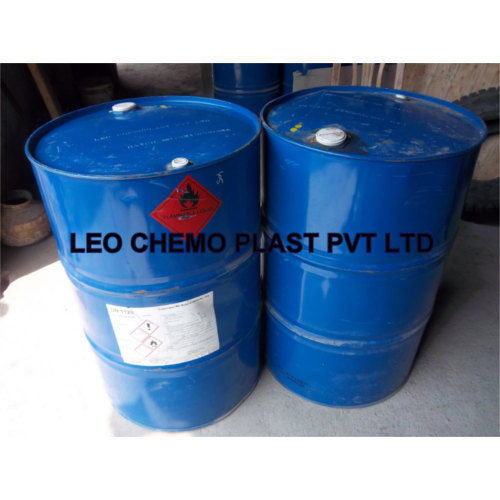
Tell us about your requirement

Price:
Quantity
Select Unit
- 50
- 100
- 200
- 250
- 500
- 1000+
Additional detail
Mobile number
Email

More Products in Organic Solvents Category
Methyl acrylate
Type : Other , Industrial Chemical
Chemical Name : Methyl Acrylate
Physical State : Other, Liquid
Solubility : Soluble in alcohol and ether; slightly soluble in water
Odour : Pungent, acrid odor
Other Names : Acrylic acid methyl ester
Nonylphenol
Type : Other , Industrial Chemical
Chemical Name : Nonylphenol
Physical State : Other, Liquid (at room temperature)
Solubility : Insoluble in water; soluble in organic solvents
Odour : Mild, characteristic phenolic odor
Other Names : 4Nonylphenol, NP, paraNonylphenol
Butyl Carbitol
Type : Other , Solvent
Chemical Name : 2(2Butoxyethoxy)ethanol
Physical State : Liquid, Other
Solubility : Miscible with water and many organic solvents
Odour : Mild etherlike odour
Other Names : Diethylene glycol mononbutyl ether
Propylene glycol USP
Type : PVC Solvent
Chemical Name : Propylene glycol
Physical State : Liquid Coating


 Send Inquiry
Our Products

B/126, Ghatkopar Industrial Estate, Behind R-City Mall, Off. L.B.S. Marg, Ghatkopar (W),Mumbai - 400086, Maharashtra, India

Mr. Sudhir Mehta
(JMD)
Mobile :08045800815
Mr. Hitesh Mehta
(CMD)
 Send Inquiry
 Send SMS
Developed and Managed by Infocom Network Private Limited.
