
Call us now :08045800815
 Send Inquiry
 Send Inquiry
Caustic Potash
Caustic Potash Specification
- Shape
- Flakes or Pellets
- Taste
- Acrid, caustic (not for tasting)
- Grade
- Industrial Grade
- Ingredients
- Potassium Hydroxide (KOH)
- Properties
- Highly caustic and hygroscopic; strong alkaline nature; reacts vigorously with water and acids; absorbs moisture and carbon dioxide from air
- Structural Formula
- K-OH
- Purity
- Minimum 90% KOH (commonly 90-95%)
- Usage
- Used as a strong alkali in various chemical industries and laboratory processes
- Ph Level
- ~14 (1% solution)
- Density
- 2.12 Gram per cubic centimeter(g/cm3)
- Appearance
- White solid
- HS Code
- 28152000
- Shelf Life
- 2 years if unopened and stored properly
- Physical Form
- Solid (Flakes or Pellets)
- Molecular Formula
- KOH
- Poisonous
- Yes, corrosive and toxic on ingestion or skin contact
- CAS No
- 1310-58-3
- Application
- Detergents, soaps, fertilizers, dyes, batteries, chemical manufacturing
- Solubility
- Very soluble in water, soluble in alcohol and glycerol
- Product Type
- Inorganic Alkali
- Melting Point
- 360 C
- Storage
- Store in tightly sealed containers, away from moisture, acids, and CO2
- Smell
- Odorless
- Molecular Weight
- 56.11 g/mol
- EINECS No
- 215-181-3
- Stability
- Stable under normal conditions
- Incompatibility
- Strong acids, organic materials, and metals
- Solubility in Water at 20°C
- 121 g/100 mL
- Packaging
- HDPE bags with liners, 25 kg/50 kg
- UN Number
- 1813
- pH (5% Solution)
- ~13.5
- Danger Symbol
- C (Corrosive)
- Transport Hazard Class
- 8 (corrosive substances)
- Boiling Point
- ~1320 °C
- Hazard Statements
- Causes severe skin burns and eye damage
- First Aid Measures
- Flush with water in case of contact; seek medical attention
About Caustic Potash
We provide the quality-centric Caustic Potash that is used in a wide variety of industrial and commercial applications. The chemical formula of the product is Potassium hydroxide. Most commonly, this chemical is used in the production of liquid fertilizers, potassium carbonate, potassium phosphates, potassium soaps, etc. This is sourced from the well-established vendors of the market, who are working in this domain for the long period of time. Therefore, the provided Caustic Potash is efficacious and quality-centric chemical.
Physical and Chemical Properties
| Physical state and appearance | Solid, white flake |
|---|---|
| Odor | Odorless |
| Molecular Weight | 56.11 |
| PH (1% soln/water) | 13.5 (0.1 molar solution) |
| Color | White / Off-white |
| Boiling Point | 1327 °C |
| Melting Point | 360 °C |
| Specific Gravity | 2.044 @ 20 C |
| Vapor Pressure | 60 mmHg @ 1013 C |
| Volatility | 0% |
| Solubility | 52.8% in water @ 20C (68F) |
| koh (total alkali as koh) | 91.3 % |
| kci | 0.006 % |
| k2co3 | 0.20 % |
| naoh | 0.2 % |
| fe | 0.2 ppm |
| ni | 0.2 ppm |
Exceptional Solubility and Alkalinity
Caustic Potash dissolves readily in water (121 g/100 mL at 20C) and forms strongly alkaline solutions with a pH close to 14. This characteristic makes it a sought-after reagent in chemical synthesis, cleaning, and water treatment applications. Its strong alkalinity enables efficient neutralization and saponification reactions.
Versatile Industrial Applications
Due to its high purity and reactive nature, Caustic Potash is invaluable in the chemical, detergent, fertilizer, dye, and battery industries. It is essential in the production of potassium compounds, pH adjustment, and as a powerful cleaning agent for removing grease and contaminants.
Safe Handling and Storage Guidelines
Given its corrosive and hygroscopic properties, Caustic Potash must be handled with care. Protective gear such as gloves and goggles should be worn during use. The product should be stored in tightly sealed HDPE bags, away from moisture, acids, and carbon dioxide, to ensure a shelf life of up to two years.
FAQs of Caustic Potash:
Q: How should Caustic Potash be safely handled and stored?
A: Always wear appropriate protective equipment including gloves and eye protection when working with Caustic Potash. Store the product in sealed HDPE bags in a cool, dry place, away from moisture, acids, and carbon dioxide to maintain its stability and prevent hazardous reactions.Q: What are the typical uses and benefits of Caustic Potash in industrial applications?
A: Caustic Potash is widely used as a strong alkali in the production of detergents, soaps, fertilizers, potassium compounds, dyes, batteries, and for neutralization and cleaning processes. Its high solubility, reactivity, and strong alkaline nature make it highly effective across these industries.Q: When should first aid be administered in case of exposure to Caustic Potash?
A: If Caustic Potash comes into contact with skin or eyes, flush immediately with copious amounts of water and seek medical attention without delay. In cases of ingestion or inhalation, quick emergency response is crucial due to its corrosive and toxic effects.Q: Where should Caustic Potash not be used due to incompatibility?
A: Avoid using Caustic Potash near strong acids, organic materials, and metals, as it reacts violently with these substances, potentially generating hazardous conditions. Only employ it in compatible chemical environments to ensure safety.Q: What is the process for dissolving Caustic Potash in water?
A: Always add Caustic Potash slowly to water, not vice versa, to control the vigorous exothermic reaction that occurs. Ensure good ventilation and use appropriate containers to handle the heat and caustic solution safely.Q: Why is Caustic Potash stored in HDPE bags with liners?
A: HDPE bags with liners provide moisture and air resistance, preventing the highly hygroscopic Caustic Potash from absorbing water and carbon dioxide from the atmosphere, which could compromise its purity and stability over time.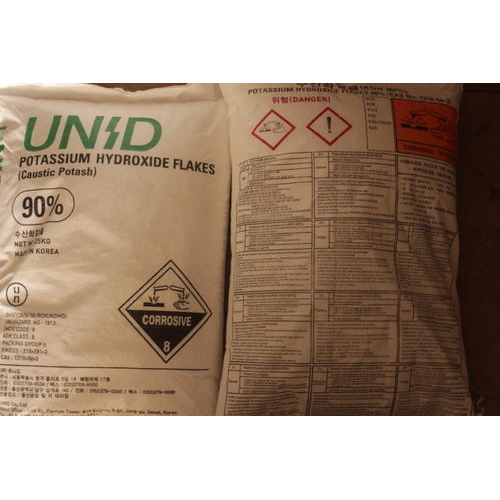
Tell us about your requirement

Price:
Quantity
Select Unit
- 50
- 100
- 200
- 250
- 500
- 1000+
Additional detail
Mobile number
Email

More Products in Inorganic Compound Category
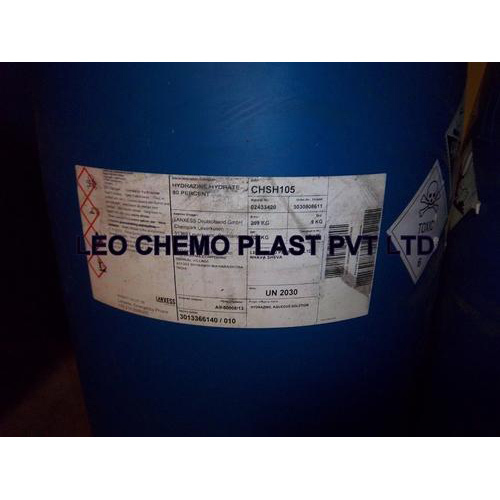
80 Percent Hydrazine Hydrate
Shape : other, Liquid
Grade : Industrial
Ingredients : Hydrazine Hydrate, Water
Properties : Highly reactive, strong reducing agent, colorless, fuming liquid, miscible with water
Structural Formula : H2NNH2H2O
Purity : 80%
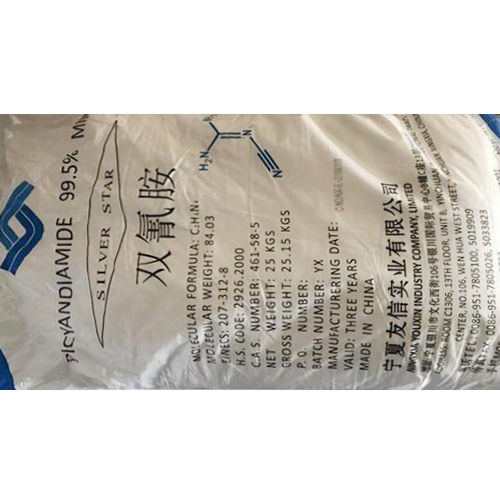
Dicyandiamide
Shape : other, Powdered form
Grade : Industrial grade
Ingredients : Pure Dicyandiamide compound
Properties : High thermal stability low toxicity and versatility in industrial applications
Structural Formula : H2NC(=NH)NHCN
Purity : 99.5% min


 Send Inquiry
Our Products

B/126, Ghatkopar Industrial Estate, Behind R-City Mall, Off. L.B.S. Marg, Ghatkopar (W),Mumbai - 400086, Maharashtra, India

Mr. Sudhir Mehta
(JMD)
Mobile :08045800815
Mr. Hitesh Mehta
(CMD)
 Send Inquiry
 Send SMS
Developed and Managed by Infocom Network Private Limited.
