
Call us now :08045800815
 Send Inquiry
 Send Inquiry
Diethanolamine
Diethanolamine Specification
- Density
- 1.09 Gram per cubic centimeter(g/cm3)
- Molecular Weight
- 105.14 g/mol
- Ph Level
- ~11 (1% solution)
- Odour
- Mild Ammonia-like
- Storage Instructions
- Store in cool, dry, and well-ventilated area, keep container tightly closed
- Solubility
- Completely Soluble in Water
- Appearance
- Clear, Colorless to Pale Yellow Viscous Liquid
- Chemical Name
- Diethanolamine
- Other Names
- DEA, 2,2-Iminodiethanol, Diolamine
- Classification
- Alkanolamine, Organic Base
- CAS No
- 111-42-2
- Type
- Industrial Grade
- Application
- Surfactant, Emulsifier, pH Regulator, Chemical Intermediate
- Application Method
- Direct Addition or Mixing
- Raw Material
- Ethanolamine
- Physical State
- Liquid
- Usage
- Textile, Agriculture, Gas treatment, Pharmaceuticals, Cosmetics, Detergents
- Shelf Life
- 24 Months
- Purity(%)
- >99%
- Best Before
- 24 Months from Manufacturing Date
- Stability
- Stable under normal storage conditions
- EC Number
- 203-868-0
- Viscosity
- 350 mPa.s at 20°C
- Melting Point
- 28°C
- Hazard Statement
- Causes serious eye irritation; Harmful if swallowed
- Vapour Pressure
- 0.03 mmHg at 20°C
- Packaging Type
- HDPE Drums, IBC Tanks or Bulk
- UN Number
- UN 2810
- Boiling Point
- 268.8°C
- Refractive Index
- 1.478 (20°C)
- Flash Point
- 138°C (Closed cup)
About Diethanolamine
Diethanolamine, often abbreviated as DEA or DEOA, is an organic compound with the formula HN(CH2CH2OH)2. Pure diethanolamine is a white solid at room temperature, but its tendency to absorb water and to supercool[2] mean it is often encountered as a colorless, viscous liquid. Diethanolamine is polyfunctional, being a secondary amine and a diol. Like other organic amines, diethanolamine acts as a weak base. Reflecting the hydrophilic character of the secondary amine and hydroxyl groups, DEA is soluble in water. Amides prepared from DEA are often also hydrophilic. Recently, the chemical has been classified by the International Agency for Research on Cancer as "possibly carcinogenic to humans (Group 2B)".
DEA is used as a surfactant and a corrosion inhibitor. It is used to remove hydrogen sulfide and carbon dioxide from natural gas.
In oil refineries, a DEA in water solution is commonly used to remove hydrogen sulfide from sour gas. It has an advantage over a similar amine ethanolamine in that a higher concentration may be used for the same corrosion potential. This allows refiners to scrub hydrogen sulfide at a lower circulating amine rate with less overall energy usage.
DEA is a chemical feedstock used in the production of morpholine.
DEA is used as a surfactant and a corrosion inhibitor. It is used to remove hydrogen sulfide and carbon dioxide from natural gas.
In oil refineries, a DEA in water solution is commonly used to remove hydrogen sulfide from sour gas. It has an advantage over a similar amine ethanolamine in that a higher concentration may be used for the same corrosion potential. This allows refiners to scrub hydrogen sulfide at a lower circulating amine rate with less overall energy usage.
DEA is a chemical feedstock used in the production of morpholine.
Versatile Industrial Applications
Diethanolamines multifunctional properties make it a key ingredient in many industries, ranging from textile processing and agriculture to the formulation of detergents, cosmetics, gas treatment, and pharmaceuticals. Its role as an emulsifier, surfactant, and pH regulator underscores its adaptability and importance in industrial processes.
Safe Storage and Handling Guidelines
To ensure long-term stability and safety, Diethanolamine should be stored in a cool, dry, well-ventilated space and kept tightly sealed in appropriate containers such as HDPE drums or IBC tanks. Avoid direct exposure to heat or moisture, and always handle with suitable protective gear, as it can cause serious eye irritation and is harmful if ingested.
FAQs of Diethanolamine:
Q: How should Diethanolamine be safely stored and handled?
A: Diethanolamine should be stored in a tightly closed container, in a cool, dry, and well-ventilated area. Use HDPE drums, IBC tanks, or bulk packaging to avoid contamination. Protective equipment like gloves and eyewear is recommended when handling, as the chemical can cause eye irritation and is harmful if swallowed.Q: What are the main industrial applications of Diethanolamine?
A: Diethanolamine is widely utilized as a surfactant, emulsifier, pH regulator, and chemical intermediate. Its versatility finds use in textiles, agriculture, gas treatment, pharmaceuticals, cosmetics, and the formulation of detergents.Q: When does Diethanolamine expire and how can its shelf life be maximized?
A: Diethanolamine retains its stability and effectiveness for up to 24 months from the manufacturing date when stored under recommended conditionscool, dry, and sealed tightly. Always refer to the best-before date provided by the supplier.Q: Where is Diethanolamine commonly distributed and in what packaging forms?
A: In India, Diethanolamine is distributed by authorized suppliers and distributors, typically packaged in HDPE drums, IBC containers, or supplied in bulk quantities to meet industrial needs.Q: What is the recommended process for using Diethanolamine in formulations?
A: For most industrial applications, Diethanolamine is added directly or mixed into the process formulation. Its complete solubility in water and high purity make it easy to incorporate into various operational systems, with usage adjusted as per application requirements.Q: What are the benefits of using Diethanolamine in chemical processes?
A: Diethanolamine enhances product stability and performance due to its excellent emulsifying, pH-regulating, and surfactant properties. Its high solubility and consistent quality ensure valuable outcomes in a diverse range of applications, optimizing both efficiency and end-product quality.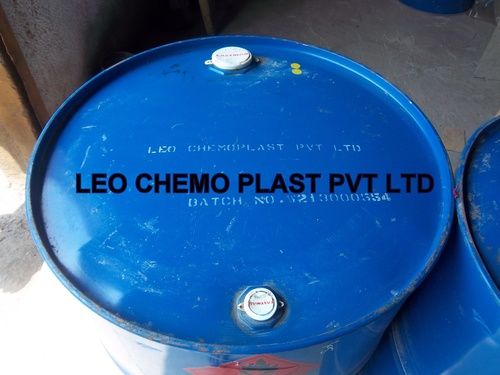
Tell us about your requirement

Price:
Quantity
Select Unit
- 50
- 100
- 200
- 250
- 500
- 1000+
Additional detail
Mobile number
Email

More Products in Organic Solvents Category
Methyl acrylate
Usage : Industrial and manufacturing processes
Appearance : Clear, colorless liquid
Application : Used in polymer synthesis, adhesives, paints, coatings, textiles, and as a chemical intermediate
Storage Instructions : Store in tightly sealed containers in a cool, dry, wellventilated area away from sources of ignition
Application Method : Other, Direct industrial processing or blending in formulations
Physical State : Other, Liquid
Nonylphenol
Usage : Used in detergents, emulsifiers, plastics, lubricating oils, and pesticide formulations
Appearance : Clear to pale yellow viscous liquid
Application : Surfactant Manufacture, Epoxy Resin Hardener, Antioxidant, Detergent Intermediate
Storage Instructions : Store in cool, dry, wellventilated place, away from heat and ignition sources
Application Method : Other, Industrial processes, Blending, Formulation
Physical State : Other, Liquid (at room temperature)
Acetone
Usage : Cleaning agent solvent for resins plastics pharmaceuticals and scientific applications
Appearance : Clear colorless liquid
Application : Used as solvent in paints coatings adhesives and for cleaning purposes
Storage Instructions : Store in a cool dry and wellventilated area away from sources of ignition
Application Method : Direct application or mixed with formulations, Other
Physical State : Other, Liquid
N-Butyraldehyde
Usage : Chemical intermediate
Appearance : Colorless liquid
Application : Used in manufacturing of resins polymers and plasticizers
Storage Instructions : Store in a cool dry and wellventilated area away from direct sunlight
Application Method : Other, Industrial usage
Physical State : Liquid, Other


 Send Inquiry
Our Products

B/126, Ghatkopar Industrial Estate, Behind R-City Mall, Off. L.B.S. Marg, Ghatkopar (W),Mumbai - 400086, Maharashtra, India

Mr. Sudhir Mehta
(JMD)
Mobile :08045800815
Mr. Hitesh Mehta
(CMD)
 Send Inquiry
 Send SMS
Developed and Managed by Infocom Network Private Limited.
