
Call us now :08045800815
 Send Inquiry
 Send Inquiry
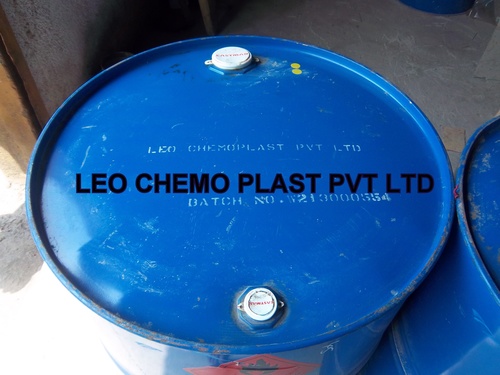
Methyl isobutyl ketone
Methyl isobutyl ketone Specification
- Storage Instructions
- Store in a cool, well-ventilated place away from sources of ignition
- Molecular Weight
- 100.16 g/mol
- Ph Level
- Neutral
- Appearance
- Clear, colorless liquid
- Odour
- Mild, sweet, acetone-like
- Solubility
- Slightly soluble in water, miscible with most organic solvents
- Density
- 0.805 Gram per cubic centimeter(g/cm3)
- Chemical Name
- Methyl isobutyl ketone
- Other Names
- Hexone, 4-Methyl-2-pentanone, MIBK
- Classification
- Ketone solvent
- CAS No
- 108-10-1
- Type
- Industrial Chemical
- Application
- Used in surface coatings, adhesives, paints, varnishes, and as an extraction solvent
- Application Method
- Used directly as a solvent or chemical intermediate
- Raw Material
- Acetone, Isopropanol
- Physical State
- Liquid
- Usage
- Industrial applications, solvent extraction, paint and coating formulations
- Shelf Life
- 24 Months
- Purity(%)
- 98% min
- Drying Time
- Rapid
- Best Before
- 2 Years from packaging
- Packing Group
- II
- HS Code
- 29141300
- Respiratory Protection
- Use with adequate ventilation; use respiratory protection in confined areas
- Vapor Pressure
- 16.5 mm Hg at 20C
- Refractive Index (n20/D)
- 1.3961.399
- Auto-Ignition Temperature
- 460C
- Transport Information
- Proper shipping name: Methyl isobutyl ketone
- Stability
- Stable under recommended storage conditions
- Ecological Information
- Toxic to aquatic life with long lasting effects
- Regulatory Status
- REACH registered, OSHA regulated
- Compatibility
- Incompatible with acids, strong oxidizers
- UN Number
- UN1245
- Water Content
- 0.1% max
- Evaporation Rate
- 1.6 (butyl acetate=1)
- Melting Point
- -80C
- Boiling Point
- 116C
- Flash Point
- 14C (closed cup)
- Hazard Class
- Flammable liquid, Class 3
About Methyl isobutyl ketone
Methyl isobutyl ketone (MIBK) is the organic compound with the formula (CH3)2CHCH2C(O)CH3. This colourless liquid, a ketone, is used as a solvent for gums, resins, paints, varnishes, lacquers, and nitrocellulose.
MIBK is used as a solvent for nitrocellulose, lacquers, and certain polymers and resins.
Precursor to 6PPD
Another major use is as a precursor to N-(1,3-dimethylbutyl)-N'-phenyl-p-phenylene diamine (6PPD), an antiozonant used in tires. 6PPD is prepared by reductive coupling of MIBK with 4-aminodiphenylamine.
Solvent and niche applications
Unlike the other common ketone solvents, acetone and MEK, MIBK has quite low solubility in water, making it useful for liquid-liquid extraction. It has a similar polarity to ethyl acetate, but greater stability towards aqueous acid and base. It can be used to extract gold, silver and other precious metals from cyanide solutions, such as those found at gold mines, to determine the levels of those dissolved metals. Diisobutyl ketone (DIBK), a related lipophilic ketone, is also used for this purpose. Methyl isobutyl ketone is also used as a denaturing agent for denatured alcohol. When mixed with water or isopropyl alcohol MIBK serves as a developer for PMMA electron beam lithography resist. MIBK is used as a solvent for CS in the preparation of the CS spray used currently by British police forces.
MIBK is used as a solvent for nitrocellulose, lacquers, and certain polymers and resins.
Precursor to 6PPD
Another major use is as a precursor to N-(1,3-dimethylbutyl)-N'-phenyl-p-phenylene diamine (6PPD), an antiozonant used in tires. 6PPD is prepared by reductive coupling of MIBK with 4-aminodiphenylamine.
Solvent and niche applications
Unlike the other common ketone solvents, acetone and MEK, MIBK has quite low solubility in water, making it useful for liquid-liquid extraction. It has a similar polarity to ethyl acetate, but greater stability towards aqueous acid and base. It can be used to extract gold, silver and other precious metals from cyanide solutions, such as those found at gold mines, to determine the levels of those dissolved metals. Diisobutyl ketone (DIBK), a related lipophilic ketone, is also used for this purpose. Methyl isobutyl ketone is also used as a denaturing agent for denatured alcohol. When mixed with water or isopropyl alcohol MIBK serves as a developer for PMMA electron beam lithography resist. MIBK is used as a solvent for CS in the preparation of the CS spray used currently by British police forces.
Key Physical and Chemical Characteristics
MIBK is a colorless liquid with a molecular weight of 100.16 g/mol and a density of 0.805 g/cm. It has a boiling point of 116C, a rapid evaporation rate, and a refractive index between 1.3961.399. Its solubility in water is low, but it is miscible with many organic solvents. MIBK demonstrates stability under standard storage conditions and retains effectiveness for up to 24 months.
Safe Storage and Handling Practices
Due to its classification as a flammable liquid (Hazard Class 3), MIBK must be stored in cool, well-ventilated areas away from ignition sources. Always use proper respiratory protection in confined spaces and ensure good ventilation during handling. Packed under UN1245 and regulated by REACH and OSHA, adherence to safety protocols is essential to avoid hazards such as fire or toxic exposure.
Industrial Applications and Benefits
MIBK is extensively used in surface coatings, adhesives, and paint formulations for its excellent solvent power and rapid drying capability. It is also used as an extraction solvent and as an intermediate in chemical processes. Its low water content and reliable purity make it a preferred choice in industries requiring consistent, high-performance solvents.
FAQs of Methyl isobutyl ketone:
Q: How is Methyl isobutyl ketone typically used in industrial settings?
A: Methyl isobutyl ketone (MIBK) is predominantly used as a solvent in surface coatings, paints, varnishes, and adhesives due to its effective solvency and rapid evaporation properties. It is also employed as an extraction solvent and chemical intermediate in various industrial processes.Q: What safety precautions are necessary when handling MIBK?
A: When handling MIBK, it is crucial to store it in a cool, well-ventilated place away from heat or ignition sources, as it is a flammable liquid. Use respiratory protection in confined spaces and ensure adequate ventilation to minimize inhalation risks. Always follow OSHA and REACH guidelines for safe handling.Q: Where should MIBK be stored to maintain stability and safety?
A: MIBK should be stored in containers tightly sealed and placed in cool, ventilated areas away from direct sunlight, sources of ignition, acids, and strong oxidizers. Proper storage ensures stability and helps maintain the products effectiveness for up to 24 months.Q: What are the main benefits of using MIBK as a solvent?
A: MIBK stands out for its high purity, rapid drying time, and ability to dissolve a wide range of organic materials. Its effectiveness in producing smooth, consistent finishes in paints and coatings, along with a low water content, makes it a favored choice in industrial applications.Q: How should MIBK be transported, and what are the key regulatory details?
A: MIBK is shipped under the proper shipping name "Methyl isobutyl ketone," UN1245, Hazard Class 3, Packing Group II. Distributors and suppliers must comply with local and international transport regulations, and individuals should refer to the HS Code 29141300 when importing or exporting.Q: When does MIBK reach its best before date, and what is its shelf life?
A: MIBK has a shelf life of 24 months and is best used within two years from the packaging date. Proper storage under recommended conditions ensures the product maintains its quality and performance during its shelf life.Q: What ecological impact does MIBK have, and what precautions should be considered?
A: MIBK is toxic to aquatic life with long-lasting effects, so care should be taken to avoid spills or disposal into the environment. Compliance with ecological safety standards and prompt spill management are vital to minimize environmental impact.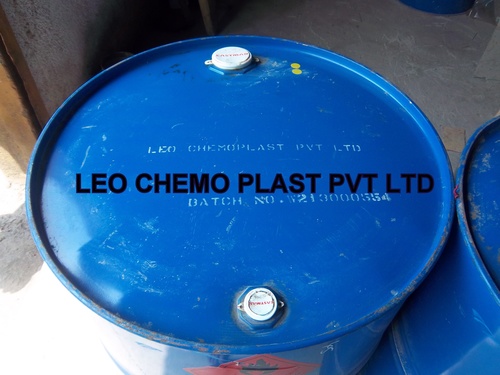
Tell us about your requirement

Price:
Quantity
Select Unit
- 50
- 100
- 200
- 250
- 500
- 1000+
Additional detail
Mobile number
Email

More Products in Organic Solvents Category
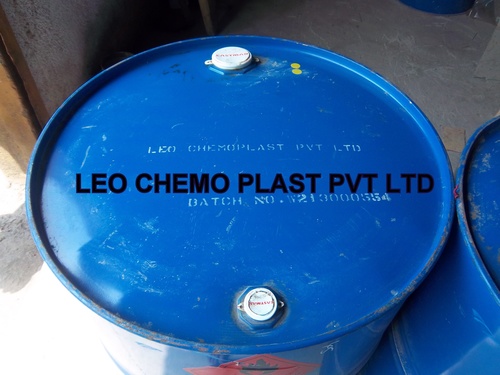
Tetrahydrofuran 1
Chemical Name : Tetrahydrofuran 1
Storage Instructions : Store in tightly closed containers, in a cool, dry, wellventilated area, away from heat/sources of ignition
Molecular Weight : 72.11 g/mol
Best Before : See label for manufacturing date; use within 2 years
CAS No : 109999
Purity(%) : 99.9
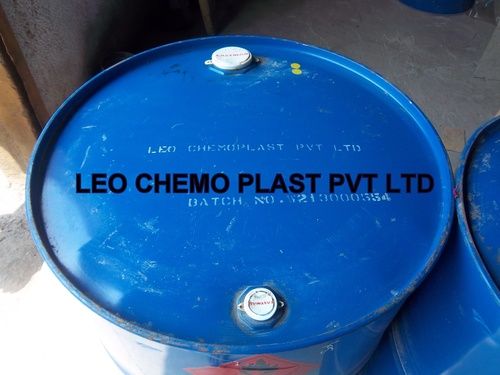
Sodium benzoate
Chemical Name : Sodium Benzoate
Storage Instructions : Store in a cool, dry place, away from moisture and direct sunlight
Molecular Weight : 144.11 g/mol
Best Before : 24 Months from date of manufacture
CAS No : 532321
Purity(%) : 99%


 Send Inquiry
Our Products

B/126, Ghatkopar Industrial Estate, Behind R-City Mall, Off. L.B.S. Marg, Ghatkopar (W),Mumbai - 400086, Maharashtra, India

Mr. Sudhir Mehta
(JMD)
Mobile :08045800815
Mr. Hitesh Mehta
(CMD)
 Send Inquiry
 Send SMS
Developed and Managed by Infocom Network Private Limited.
