
Call us now :08045800815
 Send Inquiry
 Send Inquiry
MP Diol Glycol
MP Diol Glycol Specification
- Odour
- Mild, characteristic
- Appearance
- Clear, colorless liquid
- Storage Instructions
- Store in a cool, dry place, tightly closed container
- Ph Level
- Neutral, pH about 7 (at 5% solution)
- Molecular Weight
- 118.17 g/mol
- Density
- 0.924 Gram per cubic centimeter(g/cm3)
- Solubility
- Miscible with water and common organic solvents
- Chemical Name
- 2-Methyl-2,4-pentanediol
- Other Names
- MP Diol Glycol, Pentylene Glycol, Hexylene Glycol
- Classification
- Glycol / Diol
- CAS No
- 107-41-5
- Type
- Industrial Chemical
- Application
- Solvent, intermediate, emulsifier, coupling agent
- Application Method
- Direct addition to formulations
- Raw Material
- Synthetic
- Physical State
- Liquid
- Usage
- Used in coatings, inks, resins, cleaners, metalworking, personal care
- Shelf Life
- 24 Months
- Purity(%)
- min 99.0%
- Best Before
- Use within shelf life period
- Boiling Point
- 197 - 199°C
- Melting Point
- -50°C
- Packaging
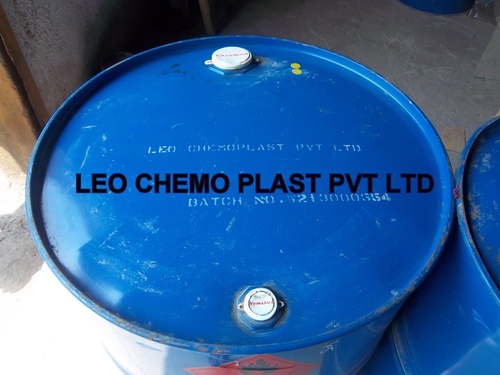
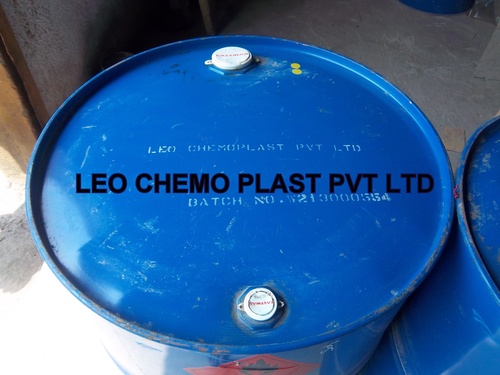
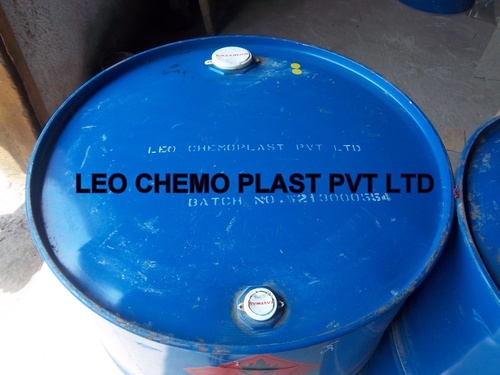
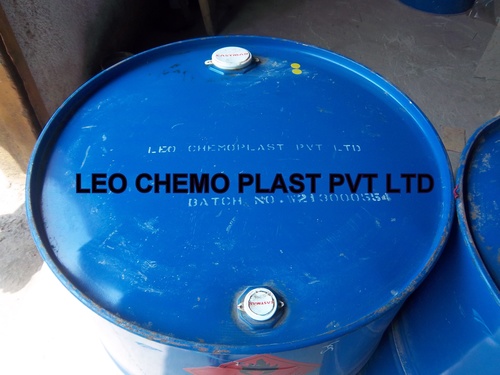
- Drums, IBCs, bulk
- Vapour Pressure
- 0.07 hPa at 20°C
- Refractive Index
- 1.4335 at 20°C
- Compatibility
- Compatible with most glycols, alcohols, and ketones
- Flash Point
- 93°C (closed cup)
- Hazard Class
- Not classified as hazardous
- Stability
- Stable under normal conditions
- Viscosity
- 38 mPa·s at 20°C
- EC No
- 203-489-0
About MP Diol Glycol
MP Diol Glycol presents an alternative monomer for the design of new high performance polyesterresins. The diprimary diol possess a higher boiling point than commonly used diols making iteasy to increase processing temperature and output without experiencing yellowing due todegradation. The liquid glycol is easily pourable and can be used as 100% solids without theneed of a diluent solvent. This eliminates the need for a diluent cook-off step prior topolyesterification decreasing the process cycle time. The resulting transparent polyester resinsexperience longer shelf life because of molecular branching which prevents close packing andcrystallization. The resulting resins are comparable to those available from commonly useddiols in resins that are flexible, weatherable, and corrosion resistant. MPDiol can be used asthe glycol of choice in a number of base resins for applications in both saturated andunsaturated polyester resins. Additionally, formulations using these resins tend to exhibit lowerviscosity when compared to similar, more commonly used resin systems. This means MPDiolbased resins, in some cases, can be formulated to higher solids at any given viscosity. This diolcan be used in the manufacture of polyester resins and polyester polyol intermediates for usein, for example, OEM, refinish, and coil coatings, as well as in non-coating related applicationswhere polyesters are used
Versatile Chemical Properties
MP Diol Glycol offers a unique combination of high purity and stability, making it an ideal ingredient in various industrial and formulation applications. Its neutral pH, miscibility with water and organic solvents, and broad compatibility with other compounds enhance its functionality as a solvent, coupling agent, and emulsifier. The substance is stable, safe to handle, and designed to maintain its characteristics under standard storage conditions.
Wide Range of Industrial Applications
This glycol is highly valued as a raw material across many sectors, including coatings, inks, resins, metalworking, cleaners, and personal care. Its multipurpose profile allows for direct addition to formulations, improving solubility, stability, and performance. The products versatility simplifies bulk handling and inventory management for manufacturers and suppliers.
Safe Handling and Storage Guidelines
MP Diol Glycol is not classified as hazardous under current regulations, but proper storage is essential to maintain product quality. It should be kept in a cool, dry location, in tightly closed containers, away from extreme temperatures. Its shelf life extends up to 24 months under recommended conditions, ensuring reliability for industrial and commercial users across India.
FAQs of MP Diol Glycol:
Q: How can MP Diol Glycol be incorporated into formulations?
A: MP Diol Glycol can be directly added to most formulations as a solvent, emulsifier, or coupling agent. Its excellent miscibility with water and common organic solvents allows for easy blending in coatings, inks, resins, cleaners, and personal care products without the need for special pre-treatment.Q: What are the typical uses and benefits of MP Diol Glycol?
A: It is widely used as a solvent and intermediate, enhancing the solubility, stability, and texture in products such as coatings, inks, resins, metalworking fluids, cleaners, and cosmetic items. Its neutral pH and compatibility provide formulation flexibility and performance benefits.Q: When should MP Diol Glycol be used after purchase?
A: For optimal performance, MP Diol Glycol should be used within its 24-month shelf life. Proper storage in a tightly sealed container helps maintain its purity (min 99.0%) and functional properties throughout this period.Q: Where can MP Diol Glycol be sourced and in what packaging forms?
A: MP Diol Glycol is commonly distributed by suppliers and distributors across India and is available in drums, Intermediate Bulk Containers (IBCs), and bulk quantities, catering to various scale requirements.Q: What precautions should be taken during storage of MP Diol Glycol?
A: The product should be stored in a cool, dry place in a tightly closed container to prevent contamination or moisture absorption. Although not classified as hazardous, good industrial practices, such as avoiding exposure to extreme temperatures and direct sunlight, are recommended.Q: Is MP Diol Glycol compatible with other chemicals?
A: Yes, MP Diol Glycol is compatible with most glycols, alcohols, and ketones, making it easy to integrate into diverse chemical systems and formulations. This ensures versatility in industrial and personal care applications.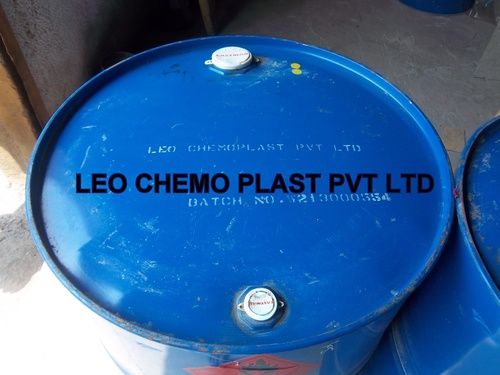
Tell us about your requirement

Price:
Quantity
Select Unit
- 50
- 100
- 200
- 250
- 500
- 1000+
Additional detail
Mobile number
Email

More Products in Organic Solvents Category
Toluene diisocyanate
Other Names : TDI; 2,4Toluene diisocyanate; Toluol diisocyanate
Appearance : Clear to pale yellow liquid
Application Method : Other, Used as a raw material in reaction with polyols to form polymers
Usage : Industrial use in plastics and rubber industries
Solubility : Reacts with water; soluble in organic solvents
Classification : Other, Aromatic isocyanate; Organic compound
N-butyl-methacrylate
Other Names : NBMA
Appearance : Clear liquid
Application Method : Direct addition or blending, Other
Usage : Intermediate in polymer production
Solubility : Slightly soluble in water soluble in organic solvents
Classification : Acrylic ester monomer, Other
Nonylphenol
Other Names : 4Nonylphenol, NP, paraNonylphenol
Appearance : Clear to pale yellow viscous liquid
Application Method : Other, Industrial processes, Blending, Formulation
Usage : Used in detergents, emulsifiers, plastics, lubricating oils, and pesticide formulations
Solubility : Insoluble in water; soluble in organic solvents
Classification : Other, Organic Chemical Compound, Alkylphenol
Piperazine Anhydrous
Other Names : Diethylenediamine; 1,4Piperazinediane
Appearance : White crystalline
Application Method : Other, Direct use as chemical intermediate or formulation
Usage : Industrial; laboratory
Solubility : Freely soluble in water and alcohol
Classification : Other, Organic Base


 Send Inquiry
Our Products

B/126, Ghatkopar Industrial Estate, Behind R-City Mall, Off. L.B.S. Marg, Ghatkopar (W),Mumbai - 400086, Maharashtra, India

Mr. Sudhir Mehta
(JMD)
Mobile :08045800815
Mr. Hitesh Mehta
(CMD)
 Send Inquiry
 Send SMS
Developed and Managed by Infocom Network Private Limited.
