
Call us now :08045800815
 Send Inquiry
 Send Inquiry
N-Methyl-2-pyrrolidone
N-Methyl-2-pyrrolidone Specification
- Molecular Weight
- 99.13 g/mol
- Solubility
- Miscible with water and most organic solvents
- Odour
- Mild, amine-like odor
- Appearance
- Clear, colorless to pale yellow liquid
- Storage Instructions
- Store in cool, dry, well-ventilated place, away from heat and sources of ignition. Seal container tightly after use.
- Density
- 1.028 Gram per cubic centimeter(g/cm3)
- Ph Level
- Neutral to slightly basic (pH ~7-8) in aqueous solution
- Chemical Name
- N-Methyl-2-pyrrolidone
- Other Names
- 1-Methyl-2-pyrrolidone, NMP
- Classification
- Organic Solvent
- CAS No
- 872-50-4
- Type
- Industrial Grade
- Application
- Used in petrochemical processing, polymers, pharmaceuticals, electronics, and as paint stripper.
- Application Method
- Direct use or as a solvent in formulations.
- Raw Material
- Based on gamma-butyrolactone and methylamine derivatives.
- Physical State
- Liquid
- Usage
- Solvent in chemical and pharmaceutical industries, extraction, coating applications.
- Shelf Life
- 24 months when properly stored.
- Purity(%)
- 99.5% min
- Drying Time
- Depends on application, typically fast evaporating.
- Best Before
- 2 years from manufacturing date
- Vapor Pressure
- 0.32 mmHg at 25°C
- Boiling Point
- 202°C
- HS Code
- 29339900
- Packaging Size
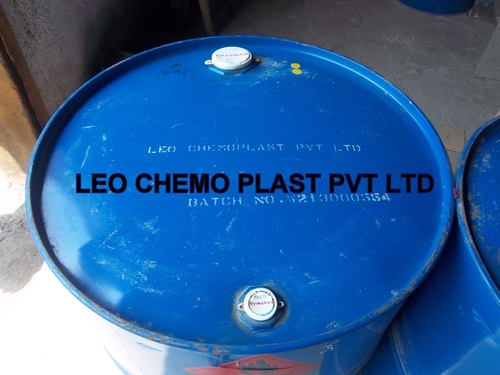
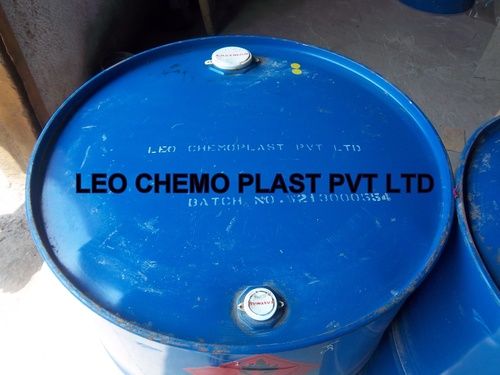
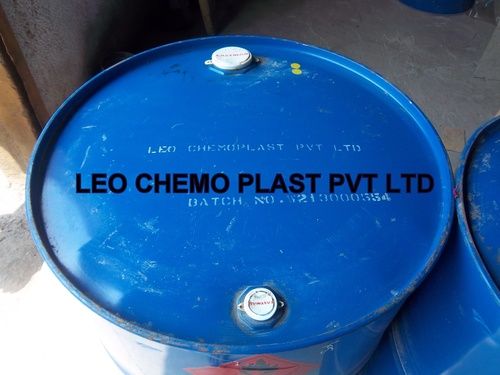
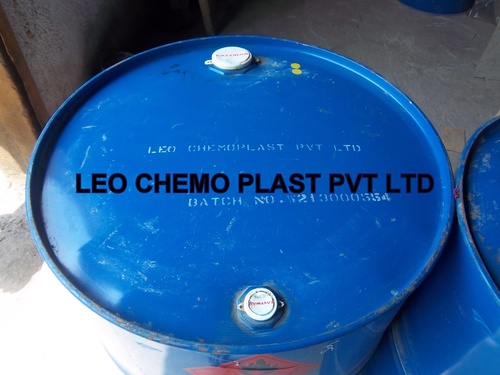
- 200 kg drum, 20 kg pail
- Melting Point
- -24°C
- Refractive Index
- 1.4715 at 20°C
- Hazard Statement
- Harmful if inhaled or in contact with skin, may cause serious eye irritation.
- Viscosity
- 1.67 mPa·s at 25°C
- Flash Point
- 91°C (closed cup)
- Autoignition Temperature
- 245°C
About N-Methyl-2-pyrrolidone
N-Methyl-2-pyrrolidone (NMP) is an organic compound consisting of a 5-membered lactam. It is a colorless liquid, although impure samples can appear yellow. It is miscible with water and with most common organic solvents. It also belongs to the class of dipolar aprotic solvents such as dimethylformamide and dimethyl sulfoxide. It is used in the petrochemical and plastics industries as a solvent, exploiting its nonvolatility and ability to dissolve diverse materials.
NMP is used to recover certain hydrocarbons generated in the processing of petrochemicals, such as the recovery of 1,3-butadiene and acetylene. It is used to absorb hydrogen sulfide from sour gas and hydrodesulfurization facilities. Due to its good solvency properties NMP is used to dissolve a wide range of polymers. It is also used as a solvent for surface treatment of textiles, resins, and metal coated plastics or as a paint stripper. It is utilized as a solvent in the commercial preparation of polyphenylene sulfide. In the pharmaceutical industry, N-methyl-2-pyrrolidone is used in the formulation for drugs by both oral and transdermal delivery routes.[4] It is also used heavily in lithium ion battery fabrication, as a solvent for electrode preparation, though there is much effort to replace it with solvents of less environmental concern, like water.
Versatility Across Industries
N-Methyl-2-pyrrolidones exceptional solvency and compatibility make it invaluable in multiple sectors. Whether its dissolving polymers for battery production, acting as a carrier in pharmaceuticals, or assisting in electronics fabrication, its utility spans a wide industrial landscape. Its ability to blend with both water and organic solvents further enhances its applications.
Safe Handling and Storage Protocols
Proper storage is critical when working with NMP. Always keep containers tightly sealed and store in cool, dry, well-ventilated areas away from heat sources and ignition risks. Adhering to these guidelines ensures longevity of the solventup to 24 monthsand mitigates potential hazards due to its classification as harmful by inhalation or skin contact.
FAQs of N-Methyl-2-pyrrolidone:
Q: How should N-Methyl-2-pyrrolidone be stored to maintain its quality?
A: NMP should be stored in a cool, dry, and well-ventilated location, away from heat and sources of ignition. Containers must be tightly sealed after each use to ensure stability and maintain its 24-month shelf life.Q: What are the main industrial applications of NMP?
A: NMP is widely employed as a solvent in petrochemical processing, pharmaceuticals, polymers production, electronics manufacturing, and as a paint stripper due to its excellent solvency and compatibility with various substances.Q: When is it best to use NMP as a solvent in formulations?
A: NMP is ideal for situations requiring dissolution of polymers, resins, or active pharmaceutical ingredients, or when effective extraction and fast evaporation are needed in coating and electronic applications.Q: Where can NMP be sourced in India?
A: NMP is available through industrial distributors and suppliers across India, offered in standard packaging such as 20 kg pails and 200 kg drums to accommodate diverse commercial and manufacturing needs.Q: What process is involved in applying NMP as a paint stripper or solvent?
A: NMP can be applied directly to surfaces or incorporated into formulation blends. Its fast-evaporating nature facilitates efficient removal or solubilization of coatings, adhesives, or residues during the process.Q: How is NMP beneficial in electronics and pharmaceutical manufacturing?
A: NMPs purity (99.5% min) and miscibility with water and organic solvents make it ideal for producing high-quality coatings, dissolving challenging substances, and facilitating complex synthesis in electronics and pharmaceutical sectors.Q: What safety precautions should be taken when handling NMP?
A: Personal protective equipment such as gloves and protective eyewear should always be worn, as NMP can cause harm if inhaled or upon skin contact, and may induce serious eye irritation. Always handle in ventilated areas.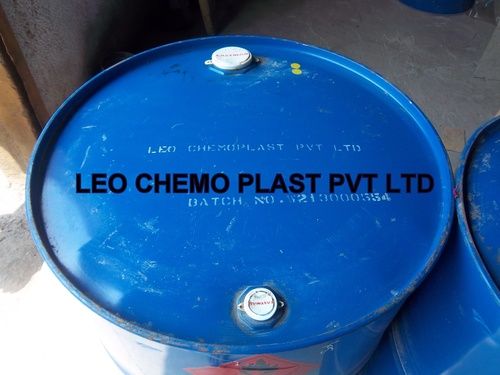
Tell us about your requirement

Price:
Quantity
Select Unit
- 50
- 100
- 200
- 250
- 500
- 1000+
Additional detail
Mobile number
Email

More Products in Organic Solvents Category
Perchloroethylene
CAS No : 127184
Usage : Solvent for cleaning and degreasing
Type : Other , Industrial Chemical
Solubility : Insoluble in water, miscible with most organic solvents
Chemical Name : Perchloroethylene
Other Names : Tetrachloroethylene, PCE, Perc
Resorcinol
CAS No : 108463
Usage : Used in the manufacturing of resins, adhesives, UV absorbers, dyes, and pharmaceuticals
Type : Other , Industrial Grade, Laboratory Grade
Solubility : Soluble in water, alcohol, and ether
Chemical Name : Resorcinol
Other Names : 1,3Benzenediol; mDihydroxybenzene
2 Hydroxy Ethyl Methacrylate
CAS No : 868779
Usage : Used in dental materials paints resins and coatings
Type : Other , Chemical monomer
Solubility : Soluble in water and organic solvents
Chemical Name : 2 Hydroxy Ethyl Methacrylate
Other Names : [HEMA Hydroxyethyl methacrylate]
N-Butyraldehyde
CAS No : 123728
Usage : Chemical intermediate
Type : Other , Solvent
Solubility : Slightly soluble in water
Chemical Name : NButyraldehyde
Other Names : Butanal Butyral


 Send Inquiry
Our Products

B/126, Ghatkopar Industrial Estate, Behind R-City Mall, Off. L.B.S. Marg, Ghatkopar (W),Mumbai - 400086, Maharashtra, India

Mr. Sudhir Mehta
(JMD)
Mobile :08045800815
Mr. Hitesh Mehta
(CMD)
 Send Inquiry
 Send SMS
Developed and Managed by Infocom Network Private Limited.
