
Call us now :08045800815
 Send Inquiry
 Send Inquiry
Neopentyl glycol
Neopentyl glycol Specification
- Solubility
- Soluble in water and many organic solvents
- Storage Instructions
- Store in a dry, well-ventilated area, away from sources of ignition and moisture
- Appearance
- White crystalline solid
- Molecular Weight
- 104.15 g/mol
- Odour
- Mild
- Density
- 1.06 Gram per cubic centimeter(g/cm3)
- Ph Level
- Neutral (in aqueous solution)
- Chemical Name
- Neopentyl Glycol
- Other Names
- 2,2-Dimethyl-1,3-propanediol, NPG
- Classification
- Alcohol, Diol, Polyol
- CAS No
- 126-30-7
- Type
- Industrial Chemical / Polyol
- Application
- Polyester Resins, Lubricants, Plasticizers, Coatings, Adhesives
- Application Method
- Industrial processing, polymer formulation, additive blending
- Raw Material
- Acetone, Formaldehyde
- Physical State
- Crystalline solid
- Usage
- Intermediate for resins and plasticizers, component in surface coatings and synthetic lubricants
- Shelf Life
- 24 months under proper storage conditions
- Purity(%)
- 99.5% min
- Drying Time
- Not applicable (raw material/intermediate)
- Best Before
- 24 months from date of manufacture
- UN Number
- Not regulated
- Melting Point
- 126 130C
- HS Code
- 29053990
- Hazard Class
- Not classified as hazardous
- Flash Point
- 187C (closed cup)
- Refractive Index
- 1.464
- Boiling Point
- 208C (decomposes)
- Packing Type
- 25 kg bags / 500 kg jumbo bags
- EC Number
- 204-781-0
About Neopentyl glycol
Neopentyl glycol (IUPAC name: 2,2-dimethylpropane-1,3-diol) is an organic chemical compound. It is used in the synthesis of polyesters, paints, lubricants, and plasticizers. When used in the manufacture of polyesters, it enhances the stability of the product towards heat, light, and water. By esterification reaction with fatty or carboxylic acids, synthetic lubricating esters with reduced potential for oxidation or hydrolysis, compared to natural esters, can be produced.
Key Features and Physical Properties
Neopentyl Glycol is characterized by a melting point of 126130C and a boiling point of 208C (decomposes), with a refractive index of 1.464. It is supplied as a white crystalline solid, neutral in pH, and highly soluble in water and many organic solvents. Its high purity (99.5% minimum) and stable molecular structure contribute to its effectiveness in diverse industrial settings.
Versatile Applications in Industry
NPG is chiefly engaged as an intermediate in polyester resin synthesis, surface coatings, and the production of synthetic lubricants and plasticizers. Additionally, it is valued in the adhesiveness of industrial coatings and finds roles in several polymer formulations, benefiting manufacturers in sectors like construction, automotive, and plastics processing.
Safe Handling and Storage Guidelines
Neopentyl Glycol is not classified as hazardous and is not regulated under UN standards. It should be stored in dry, well-ventilated spaces, isolated from ignition sources and moisture. The product is typically available in 25 kg bags or 500 kg jumbo bags, with a recommended shelf life of 24 months when stored under optimal conditions.
FAQs of Neopentyl glycol:
Q: How is Neopentyl Glycol typically used in industrial processes?
A: Neopentyl Glycol is widely used as an intermediate in the manufacture of polyester resins, surface coatings, plasticizers, and synthetic lubricants. It can be incorporated through industrial processing, polymer formulation, or additive blending to enhance product properties.Q: What benefits does Neopentyl Glycol offer in resin and coating applications?
A: NPG imparts excellent stability, durability, and weather resistance to polyester resins and coatings. Its molecular structure enhances the flexibility and longevity of polymers, making it a preferred ingredient for high-performance materials.Q: Where can Neopentyl Glycol be sourced, and in what packaging sizes is it available?
A: Neopentyl Glycol can be sourced from industrial chemical distributors and suppliers in India and is typically provided in 25 kg bags or 500 kg jumbo bags, catering to varying scales of industrial consumption.Q: What are the recommended storage conditions for Neopentyl Glycol, and how long can it be stored?
A: It is best to store Neopentyl Glycol in a dry, well-ventilated area, away from sources of ignition and moisture. When stored properly, it retains its quality for up to 24 months from the date of manufacture.Q: Is Neopentyl Glycol classified as a hazardous material for transport or storage?
A: No, Neopentyl Glycol is not classified as hazardous under current regulations and is not regulated with a UN number, offering easier handling and storage compared to many industrial chemicals.Q: What is the process of manufacturing Neopentyl Glycol?
A: Neopentyl Glycol is commercially produced from acetone and formaldehyde through a chemical reaction that yields its distinctive diol structure. This process ensures high purity and consistency for industrial use.Q: How does Neopentyl Glycols solubility influence its use in different formulations?
A: Because it dissolves readily in water and a variety of organic solvents, Neopentyl Glycol is versatile and easily integrated into numerous formulations, aiding in the uniform dispersion and mixing of other components in industrial products.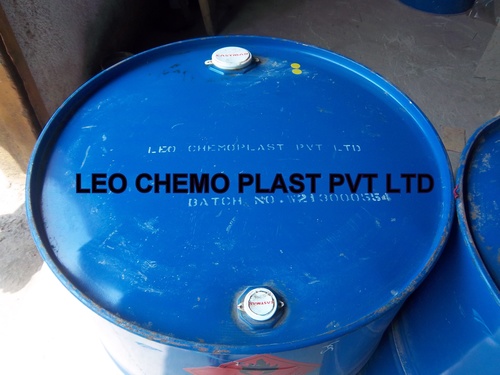
Tell us about your requirement

Price:
Quantity
Select Unit
- 50
- 100
- 200
- 250
- 500
- 1000+
Additional detail
Mobile number
Email

More Products in Organic Solvents Category
Perchloroethylene
Application Method : Other, Direct use in equipment or as a formulated blend
Storage Instructions : Store in cool, dry, wellventilated area away from direct sunlight and ignition sources
Raw Material : Petrochemical derivatives
Chemical Name : Perchloroethylene
Other Names : Tetrachloroethylene, PCE, Perc
Molecular Weight : 165.83 g/mol
Furfuryl alcohol
Application Method : Industrial processing, Other
Storage Instructions : Store in a cool dry and wellventilated area
Raw Material : Furfural
Chemical Name : Furfuryl alcohol
Other Names : 2Furylmethanol Furanol
Molecular Weight : 98.10 g/mol
Cyclohexanone
Application Method : Other, Industrial manufacturing processes, formulation additive
Storage Instructions : Store in tightly closed container, in a cool, dry, wellventilated area away from heat and sources of ignition
Raw Material : Cyclohexane, Phenol
Chemical Name : Cyclohexanone
Other Names : Ketohexamethylene, Pimeloyl ketone, Cyclohexyl ketone
Molecular Weight : 98.15 g/mol
Formic acid
Application Method : Other, Industrial scale application or laboratory use
Storage Instructions : Store in a cool dry place away from incompatible materials
Raw Material : Methanol Carbon Monoxide
Chemical Name : Formic Acid
Other Names : Methanoic acid
Molecular Weight : 46.03 g/mol


 Send Inquiry
Our Products

B/126, Ghatkopar Industrial Estate, Behind R-City Mall, Off. L.B.S. Marg, Ghatkopar (W),Mumbai - 400086, Maharashtra, India

Mr. Sudhir Mehta
(JMD)
Mobile :08045800815
Mr. Hitesh Mehta
(CMD)
 Send Inquiry
 Send SMS
Developed and Managed by Infocom Network Private Limited.
