
Call us now :08045800815
 Send Inquiry
 Send Inquiry
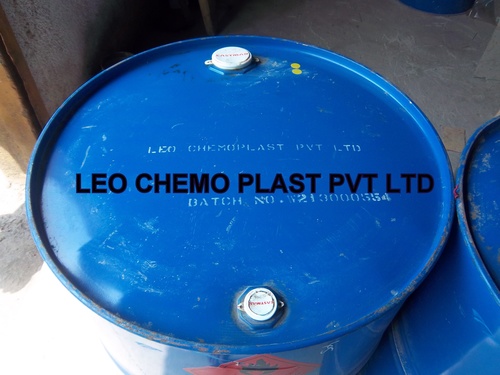
Acetone
Acetone Specification
- Solubility
- Soluble in water alcohol ether
- Molecular Weight
- 58.08 g/mol
- Ph Level
- Neutral
- Odour
- Characteristic sweet odour
- Density
- 0.791 Gram per cubic centimeter(g/cm3)
- Appearance
- Clear colorless liquid
- Storage Instructions
- Store in a cool dry and well-ventilated area away from sources of ignition
- Chemical Name
- Acetone
- Other Names
- Dimethyl ketone Propanone
- Classification
- Flammable liquid
- CAS No
- 67-64-1
- Type
- Industrial solvent
- Application
- Used as solvent in paints coatings adhesives and for cleaning purposes
- Application Method
- Direct application or mixed with formulations
- Raw Material
- Manufactured via isopropyl alcohol dehydrogenation or oxidation
- Physical State
- Liquid
- Usage
- Cleaning agent solvent for resins plastics pharmaceuticals and scientific applications
- Shelf Life
- Typically 12 months under proper storage conditions
- Drying Time
- Quick drying
- Best Before
- Refer to the manufacturers guidelines
About Acetone
Acetone (propanone) is the organic compound with the formula (CH3)2CO.[15] It is a colorless, volatile, flammable liquid, and is the simplest and smallest ketone. Acetone is produced and disposed of in the human body through normal metabolic processes. It is normally present in blood and urine. People with diabetes produce it in larger amounts. Reproductive toxicity tests show that it has low potential to cause reproductive problems. Ketogenic diets that increase ketones (acetone, -hydroxybutyric acid and acetoacetic acid) in the blood are used to counter epileptic attacks in infants and children who suffer from recalcitrant refractory epilepsy.FAQs of Acetone:
Q: What is the storage recommendation for Acetone?
A: It is advised to store Acetone in a cool, dry, and well-ventilated area away from sources of ignition.Q: What are the main uses of Acetone?
A: Acetone is commonly used as a cleaning agent and solvent for resins, plastics, pharmaceuticals, and scientific applications.Q: How quickly does Acetone dry after application?
A: Acetone is known for its quick-drying properties.Q: What are the common applications of Acetone?
A: Acetone is used as a solvent in paints, coatings, adhesives, and for cleaning purposes.Q: What is the shelf life of Acetone under proper storage conditions?
A: Acetone typically has a shelf life of 12 months when stored properly.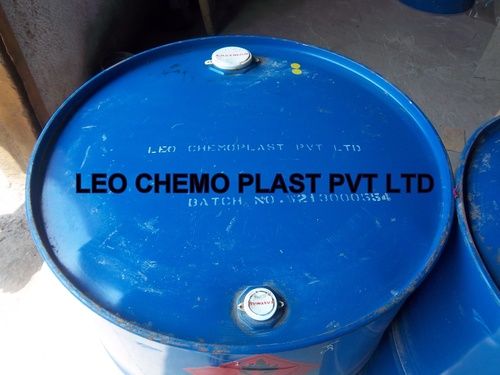
Tell us about your requirement

Price:
Quantity
Select Unit
- 50
- 100
- 200
- 250
- 500
- 1000+
Additional detail
Mobile number
Email

More Products in Organic Solvents Category
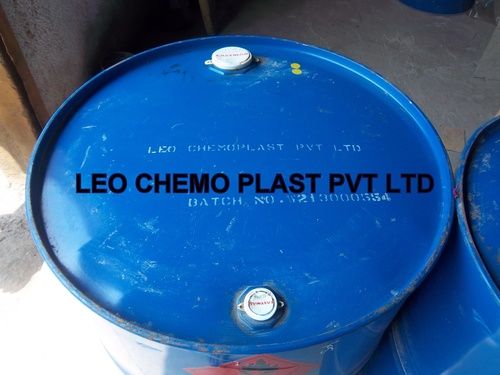
Paraformaldehyde 91%
Solubility : Partially soluble in water
Usage : Used in resin production disinfectants and particle board manufacturing
CAS No : 30525894
Chemical Name : Paraformaldehyde
Type : Industrial chemical, Other
Molecular Weight : 90.08 g/mol
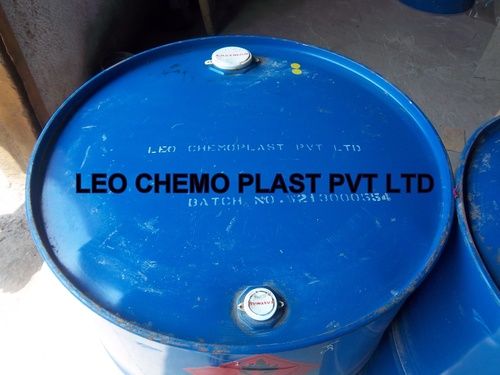
Formic acid
Solubility : Highly soluble in water
Usage : Used as a reducing agent preservative and in industrial applications
CAS No : 64186
Chemical Name : Formic Acid
Type : Other , Organic acid
Molecular Weight : 46.03 g/mol
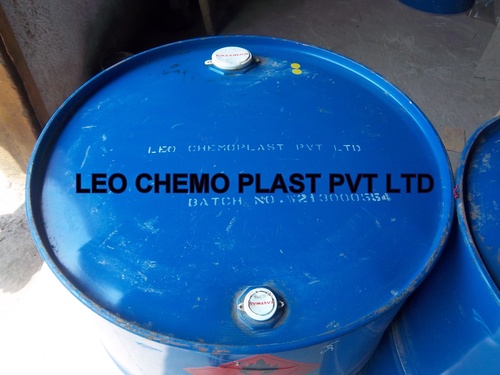
Formamide (75-12-7)
Solubility : Miscible with water
Usage : Industrial
CAS No : 75127
Chemical Name : Formamide
1,4-Butanediol
Solubility : Soluble in water
Usage : Industrial solvent raw material for polymers
CAS No : 110634
Chemical Name : 14Butanediol
Type : Chemical, Other
Molecular Weight : 90.12 g/mol


 Send Inquiry
Our Products

B/126, Ghatkopar Industrial Estate, Behind R-City Mall, Off. L.B.S. Marg, Ghatkopar (W),Mumbai - 400086, Maharashtra, India

Mr. Sudhir Mehta
(JMD)
Mobile :08045800815
Mr. Hitesh Mehta
(CMD)
 Send Inquiry
 Send SMS
Developed and Managed by Infocom Network Private Limited.
