
Call us now :08045800815
 Send Inquiry
 Send Inquiry
Ethyl Acrylate
Ethyl Acrylate Specification
- Taste
- Pungent
- Usage
- Used as a monomer for acrylic resins and polymers
- CAS No
- 140-88-5
- Product Type
- Organic Compound
- Shelf Life
- 1 year if stored properly
- Storage
- Store in a cool, dry, well-ventilated area away from sources of ignition; inert atmosphere recommended
- Ingredients
- Ethyl Acrylate
- Density
- 0.921 Gram per cubic centimeter(g/cm3)
- Grade
- Industrial Grade
- Properties
- Colorless, volatile, flammable liquid; readily polymerizes; has a sharp acrid odor.
- Purity
- 99%
- Ph Level
- Not applicable (neutral ester)
- Poisonous
- YES
- Structural Formula
- CH2=CHCOOC2H5
- Solubility
- Slightly soluble in water; soluble in alcohol, ether, and most organic solvents
- Refractive Rate
- n20/D 1.4016
- Molecular Formula
- C5H8O2
- EINECS No
- 205-438-8
- HS Code
- 29161200
- Shape
- Liquid
- Melting Point
- -71 C
- Physical Form
- Liquid
- Smell
- Acrid, fruity odor
- Molecular Weight
- 100.12 g/mol
- Application
- Resins, adhesives, coatings, textiles, plastics, and chemical syntheses
- Appearance
- Clear, colorless liquid
- Regulatory Status
- Subject to chemical-control regulations (e.g., REACH, TSCA)
- Stabilizer
- Generally contains hydroquinone as a polymerization inhibitor
- Vapor Pressure
- 41 mmHg (20 C)
- Flash Point
- 9 C (closed cup)
- Hazard Class
- UN 1917, Class 3: Flammable Liquid
- Boiling Point
- 99-101 C
- Packaging
- Drums, IBC tanks or bulk
- Auto-Ignition Temperature
- 400 C
- Explosive Limits
- LEL: 2.1%, UEL: 14.1%
- Toxicity
- May be harmful if inhaled, ingested or absorbed through skin
- Environmental hazards
- May be hazardous to aquatic life; avoid release to the environment
- Viscosity
- 0.6 mPa.s at 25 C
About Ethyl Acrylate
Ethyl Acrylate is an organic compound that is mainly used as a constituent to prepare a variety of polymers such as resins, plastics, rubber, and denture material. It is a liquid having acrid penetrating odor. This organic compound has a formula CH2CHCO2CH2CH3. We have sourced it from the well-established vendors of the market, who have years of experience in the domain. Therefore, we hold the capability to provide our clients with the efficacious and quality-centric chemical. Our patrons can approach us to get Ethyl Acrylate at the market leading price.
Physical and Chemical Properties
| Physical state and appearance | Liquid |
|---|---|
| Odor | Penetrating Lachrymator (Strong.) |
| Molecular Weight | 100.12 g/mole |
| Color | Colorless to light yellow |
| Boiling Point | 99.4C (210.9F) |
| Flash point | -2C |
| Melting Point | -72C (-97.6F) |
| Specific Gravity | 0.923 (Water = 1) |
| Vapor Pressure | 29.3 mm of Hg (@ 20C) |
| Vapor Density | 3.45 (Air = 1) |
| Dispersion Properties | See solubility in water |
| Solubility | Partially soluble in cold water |
| Purity | 99.5 |
| Color | 10 APHA |
| Water | 0.05 wt % |
| Sp.gr (20/4 c) | 0.896 ~ 0.901 |
| Acidity | 50 wt % |
| Inhibitator (MEHQ) | 60 +/- 10 ppm |
Applications and Uses
Ethyl Acrylate is primarily employed as a monomer or comonomer in the production of acrylic resins and polymers, which find diverse uses in resins, adhesives, coatings, textiles, plastics, and specialty chemicals. Its unique chemical properties allow it to impart flexibility, adhesion, and durability to end products. It also plays an important role in chemical syntheses for industrial purposes.
Safe Handling and Storage
To ensure safety, Ethyl Acrylate must be stored in cool, dry, and well-ventilated areas, away from ignition sources and in a tightly sealed container under an inert atmosphere when possible. Proper storage not only maintains its quality, ensuring a shelf life of up to one year, but also helps prevent accidents linked to its high flammability, volatility, and potential for harmful exposure.
FAQs of Ethyl Acrylate:
Q: How should Ethyl Acrylate be safely stored to prevent hazards?
A: Ethyl Acrylate should be stored in a cool, dry, and well-ventilated area, away from sources of heat and ignition. It is recommended to keep the container tightly closed and under an inert atmosphere, such as nitrogen, to minimize the risk of polymerization and fire.Q: What are the main uses of Ethyl Acrylate in industrial applications?
A: Ethyl Acrylate is widely used as a monomer for acrylic resins and polymers. Its applications extend to manufacturing adhesives, paints and coatings, textiles, plastics, and specialty chemicals due to its ability to impart flexibility and adhesion to finished products.Q: When should extra safety precautions be taken during handling of Ethyl Acrylate?
A: Extra safety precautions are necessary whenever handling, transferring, or processing Ethyl Acrylate because it is flammable, toxic, and irritant. Personal protective equipment such as gloves, goggles, and proper ventilation are essential, especially when there is a risk of inhalation, ingestion, or skin contact.Q: Where can Ethyl Acrylate be sourced in India?
A: Ethyl Acrylate can be sourced from chemical distributors and suppliers across India. It is available in packaging options such as drums, IBC tanks, or bulk shipments, depending on the quantity and end use.Q: What is the process for using Ethyl Acrylate in polymer production?
A: In polymer production, Ethyl Acrylate is used as a monomer, often combined with other chemicals under controlled conditions to form acrylic resins. A stabilizer like hydroquinone is typically included to inhibit unwanted polymerization during storage and processing.Q: What are the benefits of using Ethyl Acrylate in adhesives and coatings?
A: Ethyl Acrylate enhances the flexibility, adhesive strength, and durability of adhesives and coatings. Its chemical structure enables it to produce products that withstand environmental conditions and maintain strong bonds over time.
Tell us about your requirement

Price:
Quantity
Select Unit
- 50
- 100
- 200
- 250
- 500
- 1000+
Additional detail
Mobile number
Email

More Products in Organic Chemical Compounds Category
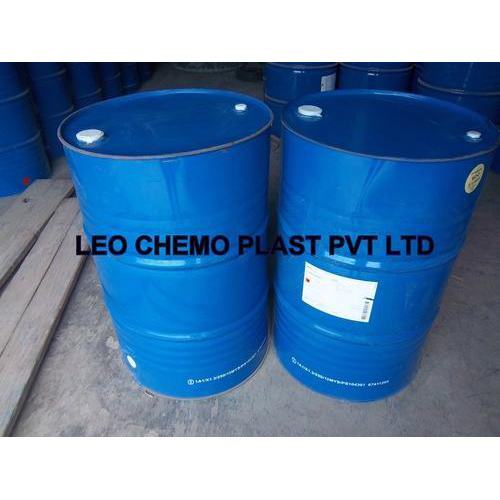
Diethylamine
Ingredients : Diethylamine (C4H11N)
Storage : Store in a tightly closed container in a cool wellventilated area away from heat and ignition sources, Other
Shelf Life : 2 years under proper storage conditions
Usage : Chemical synthesis catalyst and precursor in industrial processes
CAS No : 109897
Taste : Other, Pungent and bitter
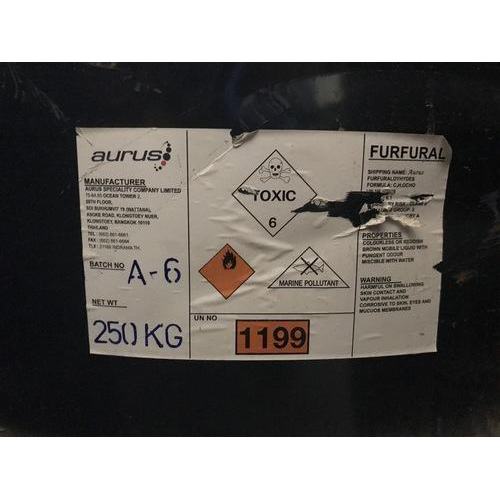
Furfural
Ingredients : Derived from agricultural byproducts like corncobs oat husks and wood chips
Storage : Other, Store in a cool wellventilated area away from heat and open flames
Shelf Life : Approximately 1 year under proper storage conditions
Usage : Commonly used in refining processes as well as in the manufacture of plastics adhesives and pharmaceuticals
CAS No : 98011
Taste : Other, Almondlike or bitter taste


 Send Inquiry
Our Products

B/126, Ghatkopar Industrial Estate, Behind R-City Mall, Off. L.B.S. Marg, Ghatkopar (W),Mumbai - 400086, Maharashtra, India

Mr. Sudhir Mehta
(JMD)
Mobile :08045800815
Mr. Hitesh Mehta
(CMD)
 Send Inquiry
 Send SMS
Developed and Managed by Infocom Network Private Limited.
