
Call us now :08045800815
 Send Inquiry
 Send Inquiry
Naphthalene Crude
Naphthalene Crude Specification
- Density
- 1.14 Gram per cubic centimeter(g/cm3)
- Molecular Weight
- 128.17 g/mol
- Odour
- Characteristic aromatic smell
- Solubility
- Slightly soluble in water; readily soluble in organic solvents
- Appearance
- White to light brown crystalline solid
- Storage Instructions
- Store in a cool, dry, and well-ventilated area away from ignition sources
- Chemical Name
- Naphthalene Crude
- Other Names
- Crude Naphthalene, White Tar
- Classification
- Aromatic Hydrocarbon
- CAS No
- 91-20-3
- Type
- Technical Grade
- Application
- Chemical Intermediate, Dye Manufacturing, Synthetic Resin Production
- Application Method
- Industrial Processing
- Raw Material
- Coal Tar
- Physical State
- Solid
- Usage
- Used in production of phthalic anhydride, insecticides, and dye intermediates
- Shelf Life
- 24 Months
- Purity(%)
- 78%
- Best Before
- Use within shelf life period
- Flash Point
- 79C
- Hazard Class
- IRRITANT; Harmful if inhaled
- Brand Name
- Various (as per manufacturer)
- Boiling Point
- 218C
- Toxicity
- Moderate
- Melting Point
- 79-82C
- Grade
- Crude Industrial Grade
- Packaging Type
- HDPE bags, drums, bulk
About Naphthalene Crude
Naphthalene C
10H
8. It is the simplest polycyclic aromatic hydrocarbon, and is a white crystalline solid with a characteristic odor that is detectable at concentrations as low as 0.08 ppm by mass.[13] As an aromatic hydrocarbon, naphthalene's structure consists of a fused pair of benzene rings. It is best known as the main ingredient of traditional mothballs.
The crude naphthalene resulting from this process is about 95% naphthalene by weight. The chief impurities are the sulfur-containing aromatic compound benzothiophene (< 2%), indane (0.2%), indene (< 2%), and methylnaphthalene (< 2%). Petroleum-derived naphthalene is usually purer than that derived from coal tar. Where required, crude naphthalene can be further purified by recrystallization from any of a variety of solvents, resulting in 99% naphthalene by weight, referred to as 80oC (melting point).
Prominent Features
Naphthalene Crude stands out for its substantial purity (78%), moderate toxicity, and versatility as an industrial chemical. Its aromatic nature makes it valuable in manufacturing phthalic anhydride, synthetic resins, and dye intermediates. Available in multiple packaging forms, it caters to diverse industrial demands, ensuring safe and efficient delivery.
Safe Handling & Storage
Proper storage is vital for Naphthalene Crude. It must be kept in a cool, dry, well-ventilated area, far from heat or ignition sources to preserve its quality and safety. Always use appropriate personal protective equipment during handling to avoid irritation or harmful exposure.
Wide Industrial Applications
This product serves as a key raw material in the chemical industry, especially for phthalic anhydride, insecticides, and dyes. Its adaptability for industrial processing enhances productivity across sectors, making it essential for manufacturers of dyes, plastics, and resins.
FAQs of Naphthalene Crude:
Q: How should Naphthalene Crude be stored to ensure safety and longevity?
A: Naphthalene Crude should be stored in a cool, dry, and well-ventilated location, away from any ignition sources. It is recommended to keep the product in closed HDPE bags or drums and always use personal protective equipment when handling.Q: What are the primary industrial uses of Naphthalene Crude?
A: Naphthalene Crude is mainly used as a chemical intermediate, especially in the production of phthalic anhydride, manufacturing dyes, and synthetic resins. It is also used for producing certain insecticides and dye intermediates.Q: When is Naphthalene Crude considered best for use, and what is its shelf life?
A: Naphthalene Crude should ideally be used within its 24-month shelf life, as indicated by the best before recommendation. Using it within this period ensures optimal purity and performance for industrial applications.Q: Where is Naphthalene Crude typically sourced and distributed?
A: Naphthalene Crude is sourced from coal tar and is widely distributed by suppliers and distributors located throughout India, with branding varying according to the manufacturer.Q: What safety measures should be followed when using Naphthalene Crude in industrial processes?
A: Due to its classification as an irritant and moderate toxicity, operators should avoid inhaling vapors and ensure good ventilation. Wearing safety goggles, gloves, and suitable respiratory protection is advised during handling or processing.Q: How is Naphthalene Crude processed in manufacturing applications?
A: Naphthalene Crude is directly fed as a solid into industrial reactors or equipment, where it acts as a precursor for chemicals like phthalic anhydride or as an ingredient in dye synthesis and resin production.Q: What are the key benefits of using Naphthalene Crude in chemical manufacturing?
A: Naphthalene Crude provides reliable aromatic hydrocarbon input, enabling efficient synthesis of dyes, resins, and plasticizers. Its favourable melting and boiling points support smooth integration into multiple chemical processes.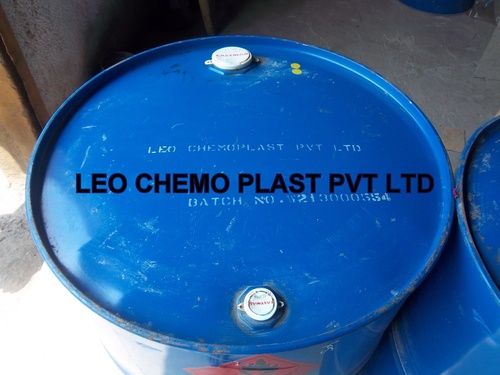
Tell us about your requirement

Price:
Quantity
Select Unit
- 50
- 100
- 200
- 250
- 500
- 1000+
Additional detail
Mobile number
Email

More Products in Organic Solvents Category
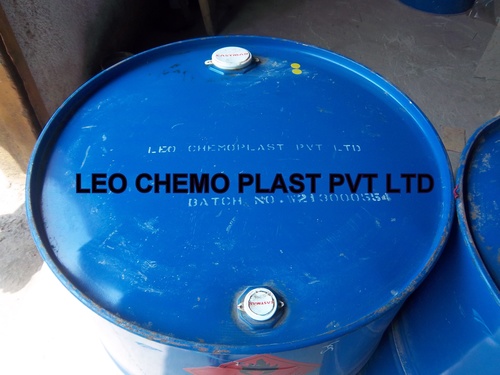
Piperazine Anhydrous
Appearance : White crystalline
Usage : Industrial; laboratory
Storage Instructions : Store in cool, dry place; tightly sealed container
Chemical Name : Piperazine Anhydrous
Application Method : Other, Direct use as chemical intermediate or formulation
Type : Other , Anhydrous
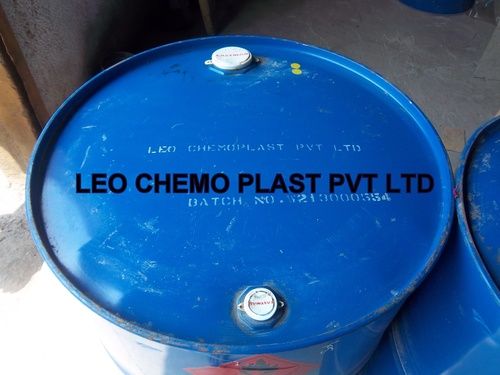
Sodium benzoate
Appearance : White crystalline powder
Usage : Used as a preservative to extend shelf life and inhibit microbial growth
Storage Instructions : Store in a cool, dry place, away from moisture and direct sunlight
Chemical Name : Sodium Benzoate
Application Method : Other, Direct Addition
Type : Other , Food Grade
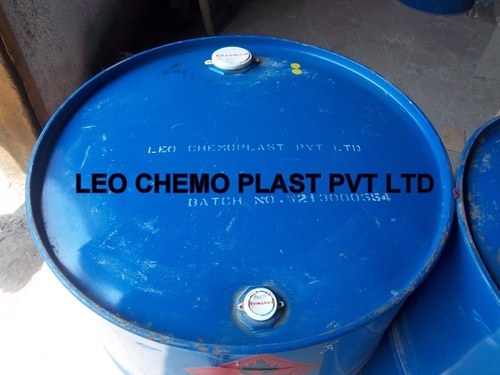
Methanesulfonyl chloride
Appearance : Colorless liquid
Usage : Used in the production of intermediates and chemical synthesis
Storage Instructions : Store in a cool dry place away from moisture and incompatible materials.
Chemical Name : Methanesulfonyl chloride
Application Method : Used as a reagent in laboratoryscale chemical reactions or industrial processes, Other
Type : Other , Industrial chemical
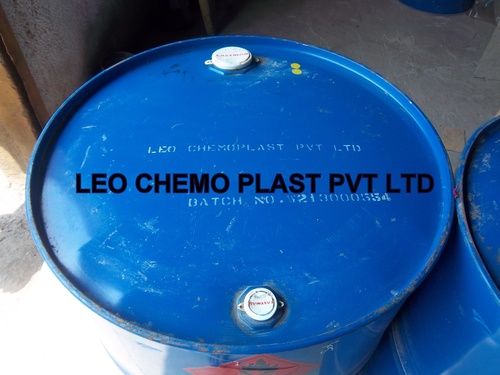
Fumaric acid
Appearance : Blue drum
Usage : General industrial applications
Storage Instructions : Store in a dry environment
Chemical Name : Fumaric Acid
Application Method : As per usage instructions, Other
Type : Other , Chemical compound


 Send Inquiry
Our Products

B/126, Ghatkopar Industrial Estate, Behind R-City Mall, Off. L.B.S. Marg, Ghatkopar (W),Mumbai - 400086, Maharashtra, India

Mr. Sudhir Mehta
(JMD)
Mobile :08045800815
Mr. Hitesh Mehta
(CMD)
 Send Inquiry
 Send SMS
Developed and Managed by Infocom Network Private Limited.
