
Call us now :08045800815
 Send Inquiry
 Send Inquiry
Triethylenetetramine 1
Triethylenetetramine 1 Specification
- Appearance
- Clear to pale yellow liquid
- Ph Level
- 13.7
- Density
- 0.982 Gram per cubic centimeter(g/cm3)
- Odour
- Ammoniacal
- Storage Instructions
- Store tightly closed in a cool, well-ventilated area, away from acids
- Molecular Weight
- 146.23 g/mol
- Solubility
- Soluble in water and organic solvents
- Chemical Name
- Triethylenetetramine
- Other Names
- TETA, Trientine, Aminoethylpiperazine
- Classification
- Aliphatic amine
- CAS No
- 112-24-3
- Type
- Industrial Chemical
- Application
- Epoxy curing agent, Chelating agent, Corrosion inhibitor, Textile and paper chemicals, Oil field chemicals
- Application Method
- Used as additive or component in chemical formulations
- Raw Material
- Ethylene dichloride, Ammonia
- Physical State
- Liquid
- Usage
- For industrial use in various chemical processes
- Shelf Life
- 24 months
- Purity(%)
- 99%
- Best Before
- 24 months from date of manufacture
- Viscosity
- 23.9 mPas at 20C
- EC Number
- 203-950-6
- Flash Point
- 146C (closed cup)
- Melting Point
- 40C
- UN Number
- UN 2259
- Auto Ignition Temperature
- 410C
- Regulatory Status
- Subject to chemical regulations and transport guidelines
- Hazard Class
- Corrosive, Harmful if inhaled or in contact with skin
- Packing Group
- II
- Boiling Point
- 277C
- Refractive Index
- 1.4976 @ 20C
- Transport Symbols
- Corrosive (GHS05), Harmful (GHS07)
- Compatibility
- Incompatible with acids, oxidizing agents
- Vapour Pressure
- 0.02 mmHg @ 25C
About Triethylenetetramine 1
Triethylenetetramine, abbreviated TETA and trien and also called trientine (INN), is an organic compound with the formula[CH2NHCH2CH2NH2]2. This oily liquid is colorless but, like many amines, assumes a yellowish color due to impurities resulting from air-oxidation. It is soluble in polar solvents. The branched isomer tris(2-aminoethyl)amine and piperazine derivatives may also be present in commercial samples of TETA.
he reactivity and uses of TETA are similar to those for the related polyamines ethylenediamine and diethylenetriamine. It is primarily used as a crosslinker ("hardener") in epoxy curing.
The hydrochloride salt of TETA, referred to as trientine hydrochloride, is a chelating agent that is used to bind and remove copper in the body to treat Wilson's disease, particularly in those who are intolerant to penicillamine. Some recommend trientine as first-line treatment, but experience with penicillamine is more extensive.
he reactivity and uses of TETA are similar to those for the related polyamines ethylenediamine and diethylenetriamine. It is primarily used as a crosslinker ("hardener") in epoxy curing.
The hydrochloride salt of TETA, referred to as trientine hydrochloride, is a chelating agent that is used to bind and remove copper in the body to treat Wilson's disease, particularly in those who are intolerant to penicillamine. Some recommend trientine as first-line treatment, but experience with penicillamine is more extensive.
Versatile Industrial Applications
Triethylenetetramine is valued for its adaptability across industries such as chemical manufacturing, textiles, paper processing, and oil field operations. Its primary functions include serving as an epoxy curing agent, chelating agent, and corrosion inhibitor, making it essential in improving the performance of coatings, adhesives, metal treatment solutions, and specialty chemicals.
Safe Handling and Storage Practices
Given its corrosive and harmful properties, Triethylenetetramine should be handled with proper personal protective equipment. It should be kept tightly sealed in a cool, well-ventilated location, away from incompatible substances like acids and oxidizers, in accordance with stringent chemical storage and transport guidelines. Following these measures ensures both user safety and product integrity.
Chemical and Physical Properties
Triethylenetetramine exhibits a boiling point of 277C, melting at 40C, and possesses a low vapor pressure at room temperature, supporting its controlled industrial use. It is a clear to pale yellow liquid with an ammoniacal odor, refractive index of 1.4976 at 20C, and density of 0.982 g/cm. These attributes ensure its reliable performance in demanding applications.
FAQs of Triethylenetetramine 1:
Q: How is Triethylenetetramine typically used in industrial processes?
A: Triethylenetetramine is primarily used as an epoxy curing agent, chelating agent, and corrosion inhibitor. It acts as a crucial additive or component in various chemical formulations employed in sectors such as textiles, paper, and oil fields.Q: What are the storage requirements for Triethylenetetramine to ensure safety and quality?
A: This chemical should be stored in tightly closed containers in a cool, well-ventilated area, away from acids and oxidizing agents. Proper storage maintains product quality for up to 24 months, protecting both users and the environment from its corrosive and harmful nature.Q: When should Triethylenetetramine be replaced or disposed of?
A: The product has a shelf life of 24 months from the date of manufacture. It should be replaced or disposed of according to chemical waste regulations if it surpasses this period or shows any signs of contamination or degradation.Q: Where is Triethylenetetramine supplied and distributed from?
A: Triethylenetetramine is available via industrial chemical distributors and suppliers in India, and it is subject to global chemical regulations and transport guidelines due to its hazardous classification.Q: What benefits does using Triethylenetetramine provide in chemical applications?
A: It enhances performance in industrial processes by accelerating epoxy curing, improving corrosion resistance, and effectively binding metal ions in water treatment and other formulations. Its adaptability and solubility further increase its value across multiple industrial sectors.Q: How should Triethylenetetramine be handled to minimize health and environmental risks?
A: Personal protective equipment such as gloves, goggles, and protective clothing is essential. Avoid inhalation and skin contact, and ensure that spills are contained and cleaned promptly according to regulatory guidelines due to its corrosive properties.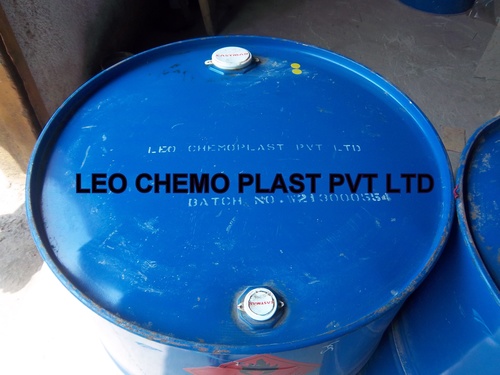
Tell us about your requirement

Price:
Quantity
Select Unit
- 50
- 100
- 200
- 250
- 500
- 1000+
Additional detail
Mobile number
Email

More Products in Organic Solvents Category
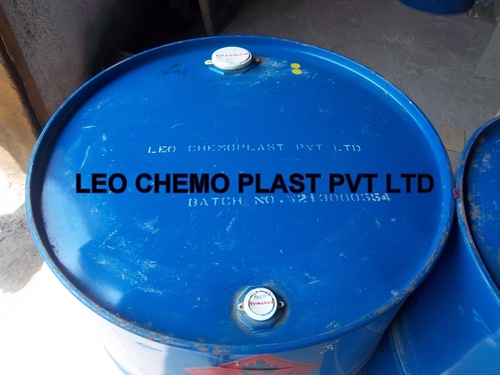
Cyclohexylamine
Chemical Name : Cyclohexylamine
Physical State : Other, Liquid
Appearance : Clear, colorless to pale yellow liquid
Shelf Life : 24 Months
Odour : Fishy, ammoniacal
Usage : Used in water treatment, rubber industry, chemical synthesis
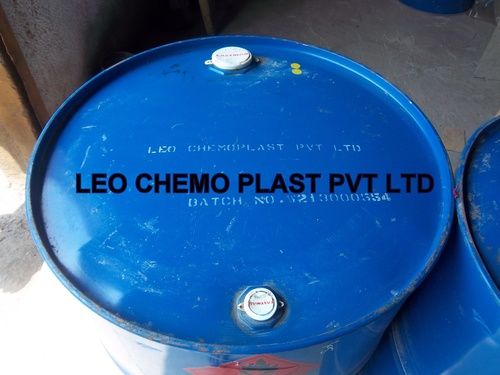
Diethanolamine
Chemical Name : Diethanolamine
Physical State : Other, Liquid
Appearance : Clear, Colorless to Pale Yellow Viscous Liquid
Shelf Life : 24 Months
Odour : Mild Ammonialike
Usage : Textile, Agriculture, Gas treatment, Pharmaceuticals, Cosmetics, Detergents
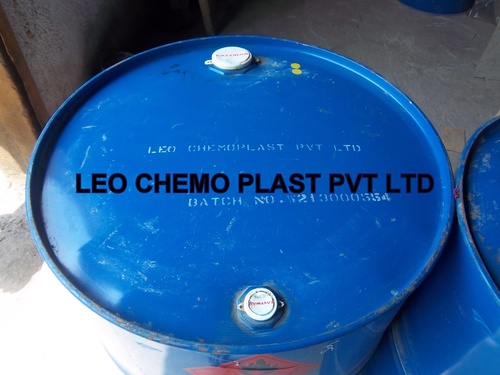
N-Butyraldehyde
Chemical Name : NButyraldehyde
Physical State : Liquid, Other
Appearance : Colorless liquid
Shelf Life : 6 months
Odour : Pungent aldehydelike
Usage : Chemical intermediate
Isophorone (78-59-1 )
Chemical Name : Isophorone
Appearance : Colorless Liquid
Shelf Life : 12 to 24 Months
Odour : Distinctive peppermintlike odor
Usage : Industrial


 Send Inquiry
Our Products

B/126, Ghatkopar Industrial Estate, Behind R-City Mall, Off. L.B.S. Marg, Ghatkopar (W),Mumbai - 400086, Maharashtra, India

Mr. Sudhir Mehta
(JMD)
Mobile :08045800815
Mr. Hitesh Mehta
(CMD)
 Send Inquiry
 Send SMS
Developed and Managed by Infocom Network Private Limited.
