
Call us now :08045800815
 Send Inquiry
 Send Inquiry
Cyclohexanone
Cyclohexanone Specification
- Appearance
- Colorless to pale yellow liquid
- Solubility
- Miscible with most organic solvents, slightly soluble in water
- Odour
- Peppery, pungent, Acetone-like
- Molecular Weight
- 98.15 g/mol
- Density
- 0.945 Gram per cubic centimeter(g/cm3)
- Ph Level
- Neutral
- Storage Instructions
- Store in tightly closed container, in a cool, dry, well-ventilated area away from heat and sources of ignition
- Chemical Name
- Cyclohexanone
- Other Names
- Ketohexamethylene, Pimeloyl ketone, Cyclohexyl ketone
- Classification
- Ketones
- CAS No
- 108-94-1
- Type
- Industrial Chemical
- Application
- Solvent, Intermediate in organic synthesis, Used in production of nylon, paints, lacquers, and dyes
- Application Method
- Industrial manufacturing processes, formulation additive
- Raw Material
- Cyclohexane, Phenol
- Physical State
- Liquid
- Usage
- Laboratory reagent and industrial processes
- Shelf Life
- 24 Months
- Purity(%)
- 99%
- Best Before
- 24 Months from Manufacturing Date
- Grade Standard
- Industrial / Technical Grade
- Stability
- Stable under recommended storage conditions
- Lead Time
- Ready stock / Immediate dispatch
- UN Number
- 1915
- Flash Point
- 44°C (Closed cup)
- Vapour Pressure
- 5 mmHg (20°C)
- Hazard Class
- Class 3 (Flammable liquids)
- Melting Point
- -47°C
- Formulation
- Single component (pure compound)
- Export Quality
- Yes
- HS Code
- 29142200
- Hazards
- Toxic if inhaled or swallowed, causes skin and eye irritation
- Refractive Index
- 1.4508 (20°C)
- Auto Ignition Temperature
- 420°C
- Packaging Type
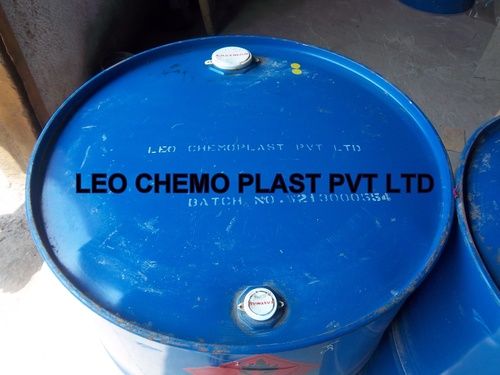
- Drums, ISO tanks
- Viscosity
- 2.02 cP at 25°C
- EC Number
- 203-631-1
- Boiling Point
- 155.6°C
About Cyclohexanone
Cyclohexanone is the organic compound with the formula (CH2)5CO. The molecule consists of six-carbon cyclic molecule with a ketone functional group. This colorless oil has an odor reminiscent of that of acetone. Over time, samples of cyclohexanone assume a yellow color. Cyclohexanone is slightly soluble in water and miscible with common organic solvents. Billions of kilograms are produced annually, mainly as a precursor to nylon. The great majority of cyclohexanone is consumed in the production of precursors to Nylon 6,6 and Nylon 6. About half of the world's supply is converted to adipic acid, one of two precursors for nylon 6,6. For this application, the KA oil (see above) is oxidized with nitric acid. The other half of the cyclohexanone supply is converted to cyclohexanone oxime. In the presence of sulfuric acid catalyst, the oxime rearranges to caprolactam, a precursor to nylon 6.
A Key Intermediate in Industrial Manufacturing
Cyclohexanone is essential in the manufacture of high-performance materials such as nylon, making it invaluable to the textile and polymer industries. Its chemical stability and high purity make it suitable for sensitive applications requiring consistent product quality. Whether used as a solvent or a precursor, Cyclohexanone ensures efficient production processes across a diverse range of sectors.
Safe Handling and Storage Guidelines
Given its classification as a flammable liquid with toxic properties, Cyclohexanone must be handled with care. It should be stored in tightly sealed containers in cool, dry, and well-ventilated areas away from sources of ignition. Proper safety equipment and protocols are vital to minimizing risks of exposure and ensuring worker safety during storage and use.
FAQs of Cyclohexanone:
Q: How is Cyclohexanone typically used in industrial applications?
A: Cyclohexanone serves primarily as a solvent and an intermediate in the synthesis of chemicals, notably in the production of nylon, paints, lacquers, and dyes. Its effectiveness in dissolving various organic compounds and as a precursor makes it indispensable in numerous manufacturing processes.Q: What safety precautions should be observed when handling Cyclohexanone?
A: Because Cyclohexanone is classified as a flammable liquid (Hazard Class 3) and is toxic if inhaled or swallowed, it should be used in well-ventilated areas with appropriate personal protective equipment. Store it in tightly closed containers away from heat or ignition sources, and prevent skin or eye contact.Q: When should Cyclohexanone be used as a solvent or intermediate?
A: Cyclohexanone should be chosen as a solvent or intermediate when a high-purity, stable ketone is required, especially in the manufacture of nylon, specialty coatings, or dyes. Its compatibility with many organic solvents allows it to perform well in diverse, large-scale industrial applications.Q: What forms and packaging options are available for Cyclohexanone supply?
A: Cyclohexanone is supplied in drums and ISO tanks, suitable for both bulk distribution and export. This packaging ensures the product remains secure and stable during transport and storage, especially considering its flammability and toxicity.Q: Where should Cyclohexanone be stored for optimal stability and safety?
A: Store Cyclohexanone in a cool, dry, well-ventilated area, tightly sealed in approved containers. It must be kept away from heat, sparks, direct sunlight, and open flames to maintain stability and prevent accidents.Q: What benefits does Cyclohexanone offer in manufacturing processes?
A: Cyclohexanone offers high reactivity and purity, efficient solvent properties, and reliable performance as an intermediate. This translates to higher product yields, improved process efficiency, and suitability for export-quality finished goods.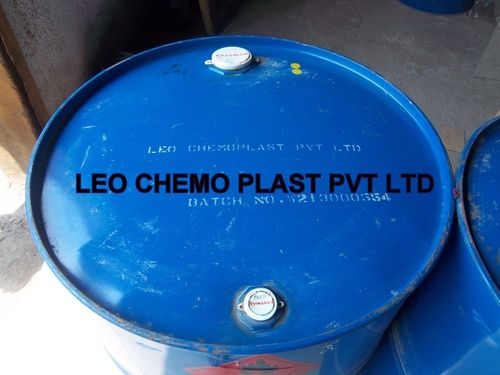
Tell us about your requirement

Price:
Quantity
Select Unit
- 50
- 100
- 200
- 250
- 500
- 1000+
Additional detail
Mobile number
Email

More Products in Organic Solvents Category
Naphthalene Crude
Solubility : Slightly soluble in water; readily soluble in organic solvents
CAS No : 91203
Appearance : White to light brown crystalline solid
Usage : Used in production of phthalic anhydride, insecticides, and dye intermediates
Storage Instructions : Store in a cool, dry, and wellventilated area away from ignition sources
Chemical Name : Naphthalene Crude
Acrylic acid
Solubility : Miscible with water
CAS No : 79107
Appearance : Colorless liquid
Usage : Manufacturing of various polymers and copolymers
Storage Instructions : Store in a cool dry place away from sources of ignition
Chemical Name : Acrylic Acid
Formamide (75-12-7)
Solubility : Miscible with water
CAS No : 75127
Appearance : Transparent
Usage : Industrial
Storage Instructions : Room Temperature
Chemical Name : Formamide
Sodium Gluconate
Solubility : Water Soluble
CAS No : 527071
Appearance : White Crystalline Powder
Usage : Industrial
Storage Instructions : Room Temperature
Chemical Name : Sodium Gluconate


 Send Inquiry
Our Products

B/126, Ghatkopar Industrial Estate, Behind R-City Mall, Off. L.B.S. Marg, Ghatkopar (W),Mumbai - 400086, Maharashtra, India

Mr. Sudhir Mehta
(JMD)
Mobile :08045800815
Mr. Hitesh Mehta
(CMD)
 Send Inquiry
 Send SMS
Developed and Managed by Infocom Network Private Limited.
