
Call us now :08045800815
 Send Inquiry
 Send Inquiry
Di Basic Ester
Di Basic Ester Specification
- HS Code
- None provided
- Storage
- Store in a cool dry and well-ventilated area
- Density
- 1.09 Gram per cubic centimeter(g/cm3)
- Molecular Weight
- Varies based on composition (~160-190 g/mol)
- Ph Level
- Neutral to slightly basic
- Poisonous
- No
- Structural Formula
- Combination of methyl esters of adipic glutaric and succinic acid
- Molecular Formula
- Varies based on composition (e.g. C8H14O4)
- Refractive Rate
- None provided
- Boiling point
- 200-220°C
- Form
- Clear liquid
- Shape
- Liquid
- Solubility
- Partially soluble in water; highly soluble in organic solvents
- Other Names
- DBE Dibasic Esters
- Purity
- Typically >99%
- Melting Point
- Below 0°C
- Smell
- Mild fruity odor
- Classification
- Organic Compound
- Chemical Name
- Di Basic Ester
- CAS No
- None provided
- EINECS No
- None provided
- Grade
- Industrial Grade
- Standard
- ISO Standard
- Type
- Chemical Intermediate
- Usage
- Solvent reagent for chemical synthesis
- Main Material
- Esters of dicarboxylic acids
- Application
- Coatings paints adhesives industrial cleaners and more
About Di Basic Ester
Di Basic Ester is an ester of a dicarboxylic acid. Depending on the application, the alcohol may be methanol or higher molecular weight monoalcohols.
Mixtures of different methyl dibasic esters are commercially produced from short-chain acids such as adipic acid, glutaric acid, and succinic acid. They are non-flammable, readily biodegradable, non-corrosive, and have a mild, fruity odour.
Dibasic esters of phthalates, adipates, and azelates with C8 - C10 alcohols have found commercial use as lubricants, spin finishes, and additives.
FAQs of Di Basic Ester:
Q: What is the grade of Di Basic Ester?
A: Di Basic Ester is of industrial grade.Q: What is the main application of Di Basic Ester?
A: Di Basic Ester is commonly used as a solvent reagent for chemical synthesis in industries such as coatings, paints, adhesives, and industrial cleaners.Q: What is the molecular weight range of Di Basic Ester?
A: The molecular weight of Di Basic Ester varies based on composition, typically ranging from 160-190 g/mol.Q: Is Di Basic Ester toxic?
A: No, Di Basic Ester is non-toxic under normal usage conditions.Q: What is the density of Di Basic Ester?
A: The density of Di Basic Ester is 1.09 grams per cubic centimeter (g/cm3).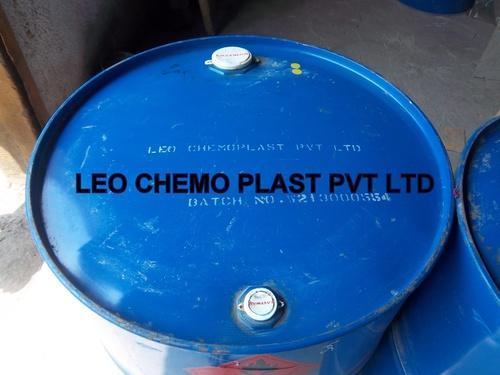
Tell us about your requirement

Price:
Quantity
Select Unit
- 50
- 100
- 200
- 250
- 500
- 1000+
Additional detail
Mobile number
Email

More Products in Industrial Chemicals Category
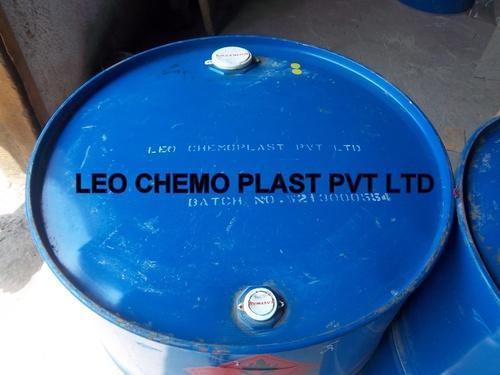
Refined Glycerine
Molecular Formula : C3H8O3
Classification : Chemical, Other
Ph Level : Neutral (5.57.5)
Usage : Used in the production of cosmetics food pharmaceuticals and personal care products
Density : 1.26 Gram per cubic centimeter(g/cm3)
Structural Formula : HOCH2CHOHCH2OH
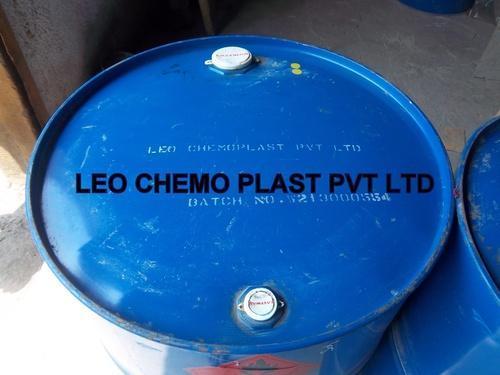
Glycerine USP
Molecular Formula : C3H8O3
Classification : Other, Alcohol
Ph Level : Neutral (5.57.5)
Usage : Used in pharmaceuticals cosmetics food industry and personal care products as a humectant solvent and sweetener
Density : 1.26 Gram per cubic centimeter(g/cm3)
Structural Formula : HOCH2CHOHCH2OH

Mono-N-Butylamine
Molecular Formula : C4H11N
Classification : Amine, Other
Ph Level : 1011
Usage : Used in the synthesis of pharmaceuticals rubber chemicals and pesticides
Density : 0.740 Gram per cubic centimeter(g/cm3)
Structural Formula : CH3(CH2)3NH2
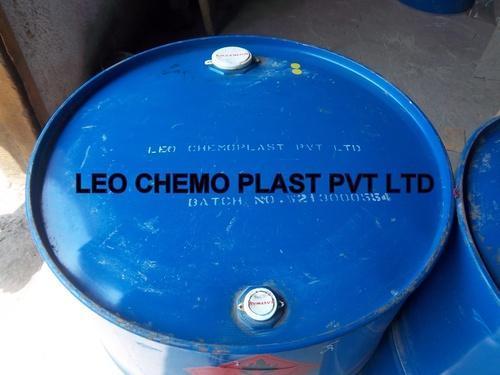
Potassium Carbonate Powder
Molecular Formula : K2CO3
Classification : Other, Inorganic Compound
Ph Level : 11.5 (5% aqueous solution)
Usage : Water softener pH regulator raw material for glass and ceramics and in the production of potassium salts
Density : 2.29 Gram per cubic centimeter(g/cm3)
Structural Formula : K2CO3


 Send Inquiry
Our Products

B/126, Ghatkopar Industrial Estate, Behind R-City Mall, Off. L.B.S. Marg, Ghatkopar (W),Mumbai - 400086, Maharashtra, India

Mr. Sudhir Mehta
(JMD)
Mobile :08045800815
Mr. Hitesh Mehta
(CMD)
 Send Inquiry
 Send SMS
Developed and Managed by Infocom Network Private Limited.
