
Call us now :08045800815
 Send Inquiry
 Send Inquiry
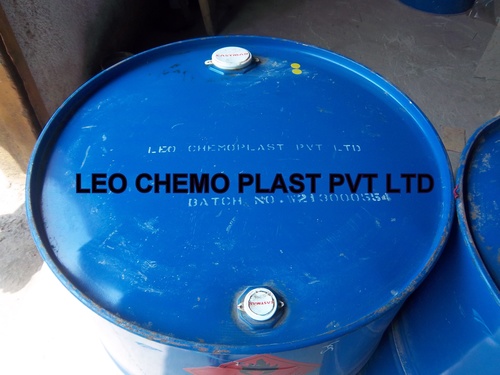
Diethylenetriamine
Diethylenetriamine Specification
- Ph Level
- Alkaline
- Density
- 0.955 Gram per cubic centimeter(g/cm3)
- Appearance
- Colorless to pale yellow liquid
- Molecular Weight
- 103.17 g/mol
- Storage Instructions
- Store in cool dry and well-ventilated area away from heat and direct sunlight.
- Solubility
- Soluble in water
- Odour
- Ammoniacal odour
- Chemical Name
- Diethylenetriamine
- Other Names
- DETA
- Classification
- Corrosive
- CAS No
- 111-40-0
- Type
- Industrial chemical
- Application
- Used as an intermediate in producing epoxy curing agents organic chemicals fuel additives and corrosion inhibitors.
- Application Method
- Industrial application
- Raw Material
- Petrochemical derivative
- Physical State
- Liquid
- Usage
- Intermediate chemical in organic synthesis epoxy curing agent and corrosion inhibitor production
- Shelf Life
- 2 years
- Best Before
- 2 years from manufacture date
About Diethylenetriamine
Diethylenetriamine (abbreviated DETA and also known as 2,2-Iminodi(ethylamine)[2]) is an organic compound with the formula HN(CH2CH2NH2)2. This colourless hygroscopic liquid is soluble in water and polar organic solvents, but not simple hydrocarbons. Diethylenetriamine is structural analogue of diethylene glycol. Its chemical properties resemble those for ethylene diamine, and it has similar uses. It is a weak base and its aqueous solution is alkaline. DETA is a byproduct of the production of ethylenediamine from ethylene dichloride.
FAQs of Diethylenetriamine:
Q: What is the shelf life of Diethylenetriamine?
A: The shelf life of Diethylenetriamine is 2 years from the manufacture date.Q: What applications is Diethylenetriamine used for?
A: Diethylenetriamine is used as an intermediate in producing epoxy curing agents, organic chemicals, fuel additives, and corrosion inhibitors.Q: What is the solubility of Diethylenetriamine?
A: Diethylenetriamine is soluble in water.Q: How should Diethylenetriamine be stored?
A: Diethylenetriamine should be stored in a cool, dry, and well-ventilated area away from heat and direct sunlight.Q: What is the classification of Diethylenetriamine?
A: Diethylenetriamine is classified as corrosive based on its properties.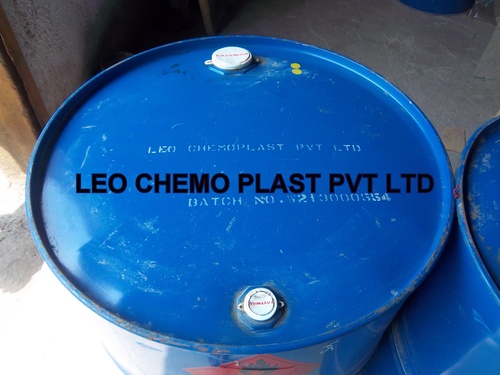
Tell us about your requirement

Price:
Quantity
Select Unit
- 50
- 100
- 200
- 250
- 500
- 1000+
Additional detail
Mobile number
Email

More Products in Organic Solvents Category
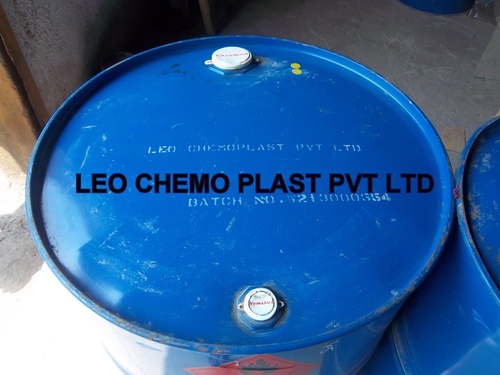
Toluene diisocyanate
Chemical Name : Toluene Diisocyanate
Molecular Weight : 174.15 g/mol
Physical State : Other, Liquid
Appearance : Clear to pale yellow liquid
Other Names : TDI; 2,4Toluene diisocyanate; Toluol diisocyanate
Application Method : Other, Used as a raw material in reaction with polyols to form polymers
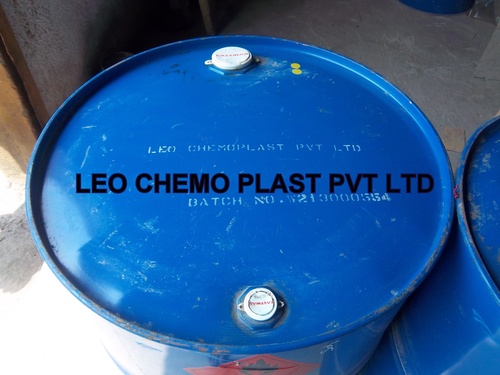
N-butyl-methacrylate
Chemical Name : Nbutylmethacrylate
Molecular Weight : 142.2 g/mol
Physical State : Other, Liquid
Appearance : Clear liquid
Other Names : NBMA
Application Method : Direct addition or blending, Other
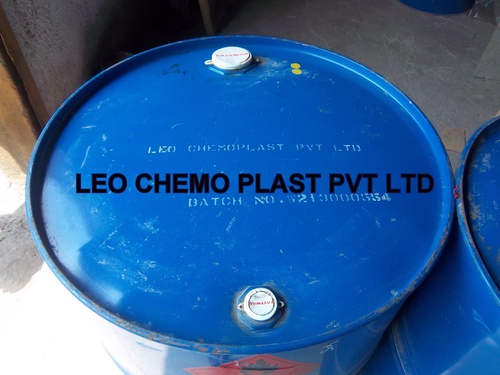
Propionaldehyde
Chemical Name : Propionaldehyde
Molecular Weight : 58.08 g/mol
Physical State : Other, Liquid
Appearance : Colorless liquid
Other Names : Propanal
Application Method : Industrial processes, Other
Acrylic acid
Chemical Name : Acrylic Acid
Molecular Weight : 72.06 g/mol
Physical State : Other, Liquid
Appearance : Colorless liquid
Other Names : Propenoic acid
Application Method : Dependent on the specific industrial process, Other


 Send Inquiry
Our Products

B/126, Ghatkopar Industrial Estate, Behind R-City Mall, Off. L.B.S. Marg, Ghatkopar (W),Mumbai - 400086, Maharashtra, India

Mr. Sudhir Mehta
(JMD)
Mobile :08045800815
Mr. Hitesh Mehta
(CMD)
 Send Inquiry
 Send SMS
Developed and Managed by Infocom Network Private Limited.
