
Call us now :08045800815
 Send Inquiry
 Send Inquiry
Methyl acrylate
Methyl acrylate Specification
- Density
- 0.954 Gram per cubic centimeter(g/cm3)
- Molecular Weight
- 86.09 g/mol
- Odour
- Pungent, acrid odor
- Appearance
- Clear, colorless liquid
- Solubility
- Soluble in alcohol and ether; slightly soluble in water
- Storage Instructions
- Store in tightly sealed containers in a cool, dry, well-ventilated area away from sources of ignition
- Ph Level
- Not applicable (neutral compound)
- Chemical Name
- Methyl Acrylate
- Other Names
- Acrylic acid methyl ester
- Classification
- Monomer / Ester
- CAS No
- 96-33-3
- Type
- Industrial Chemical
- Application
- Used in polymer synthesis, adhesives, paints, coatings, textiles, and as a chemical intermediate
- Application Method
- Direct industrial processing or blending in formulations
- Raw Material
- Methanol, Acrylic Acid
- Physical State
- Liquid
- Usage
- Industrial and manufacturing processes
- Shelf Life
- 12 months (in original sealed container)
- Purity(%)
- 99% Min.
- Best Before
- 12 months from date of manufacture
- Stability
- Unstable if not inhibited; may polymerize when heated or exposed to light
- Vapor Pressure
- 90 mmHg (at 20°C)
- Boiling Point
- 80°C
- Melting Point
- -75°C
- Packaging Details
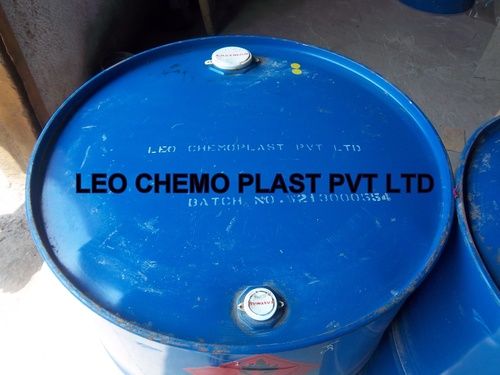
- 200 kg drum or as required
- UN Number
- 1919
- Hazard Class
- Flammable liquid, Toxic by inhalation, skin contact, or ingestion
- Flash Point
- 9°C (closed cup)
- Refractive Index
- 1.401 (at 20°C)
- Auto Ignition Temperature
- 445°C
About Methyl acrylate
Methyl acrylate is an organic compound, more accurately the methyl ester of acrylic acid. It is a colourless liquid with a characteristic acrid odor. It is mainly produced to make acrylate fiber, which is used to weave synthetic carpets.[5] It is also a reagent in the synthesis of various pharmaceutical intermediates.
Methyl acrylate is after butyl acrylate and ethyl acrylate the third most important acrylic ester with a worldwide annual production of about 200,000 tons per year.[15]
Methyl acrylate reacts catalysed by Lewis bases in a Michael addition with amines in high yields to -alanine derivatives which provide amphoteric surfactants when long-chain amines are used and the ester function is hydrolysed subsequently.
Methyl acrylate is used for the preparation of 2-dimethylaminoethyl acrylate by transesterification with dimethylaminoethanol in significant quantities of over 50,000 tons / year.[16]
Methyl acrylate is used as a comonomer in the polymerization with a variety of acrylic and vinyl monomers. In doing so it has a similar range of uses as ethyl acrylate.[17] When using methyl acrylate as comonomer resulting acrylic paints are harder and more brittle than those with the homologous acrylates. Copolymerizing methyl acrylate with acrylonitrile improves their melt process ability to fibers, which could be used as precursors for carbon fibers.[18]
Acrylates are also used in the preparation of poly (amidoamine) (PAMAM) dendrimers typically by Michael addition with a primary amine.
Methyl acrylate is the precursor to fibers that are woven to make carpets.
Owing to its tendency to polymerize, samples typically contain an inhibitor such as hydroquinone.
Methyl acrylate is after butyl acrylate and ethyl acrylate the third most important acrylic ester with a worldwide annual production of about 200,000 tons per year.[15]
Methyl acrylate reacts catalysed by Lewis bases in a Michael addition with amines in high yields to -alanine derivatives which provide amphoteric surfactants when long-chain amines are used and the ester function is hydrolysed subsequently.
Methyl acrylate is used for the preparation of 2-dimethylaminoethyl acrylate by transesterification with dimethylaminoethanol in significant quantities of over 50,000 tons / year.[16]
Methyl acrylate is used as a comonomer in the polymerization with a variety of acrylic and vinyl monomers. In doing so it has a similar range of uses as ethyl acrylate.[17] When using methyl acrylate as comonomer resulting acrylic paints are harder and more brittle than those with the homologous acrylates. Copolymerizing methyl acrylate with acrylonitrile improves their melt process ability to fibers, which could be used as precursors for carbon fibers.[18]
Acrylates are also used in the preparation of poly (amidoamine) (PAMAM) dendrimers typically by Michael addition with a primary amine.
Methyl acrylate is the precursor to fibers that are woven to make carpets.
Owing to its tendency to polymerize, samples typically contain an inhibitor such as hydroquinone.
Key Properties and Applications
Methyl acrylate offers a unique combination of reactivity and versatility, making it a valuable ingredient in industrial manufacturing. Owing to its solubility in alcohol and ether, it blends seamlessly for use in polymer synthesis, adhesive production, coatings, and textile treatments. Its clear, colorless appearance and acrid odor are indicative of its high purity and suitability for direct processing in a wide array of formulations.
Safe Storage and Handling Guidelines
Due to its high flammability and toxicity, methyl acrylate must be stored in tightly sealed containers within cool, dry, and well-ventilated areas, away from all ignition sources. Proper handling minimizes health risks from inhalation, skin contact, or ingestion. For chemical stability, it is vital to avoid exposure to heat or light, which can lead to hazardous polymerization if the product is not adequately inhibited.
Supplied Packaging and Shelf Life
Methyl acrylate is primarily packaged in 200 kg drums, ensuring convenient handling and transportation for industrial use. The chemical maintains its properties for up to 12 months when stored in original, unopened containers under recommended conditions. This helps to preserve its performance for manufacturing and processing needs throughout its shelf life.
FAQs of Methyl acrylate:
Q: How should methyl acrylate be safely stored and handled?
A: Methyl acrylate must be stored in tightly sealed drums or containers in a cool, dry, and well-ventilated area. It should be kept away from heat, open flames, and direct light to prevent hazardous polymerization and fire risks. Proper personal protective equipment should always be used when handling to reduce exposure.Q: What are the main industrial applications of methyl acrylate?
A: It is extensively used as a monomer in the synthesis of polymers and copolymers, as well as in adhesives, paints, coatings, textiles, and as a reactive chemical intermediate in various manufacturing processes.Q: When should methyl acrylate be utilized for optimal results?
A: The product should be used during its 12-month shelf life, stored in its original, unopened container under recommended storage conditions, to ensure maximum purity and effectiveness in industrial and manufacturing applications.Q: Where can methyl acrylate typically be sourced in India?
A: Methyl acrylate can be obtained from chemical distributors or suppliers specializing in industrial chemicals across India, packaged primarily in 200 kg drums to meet industrial-scale needs.Q: What are the safety hazards associated with methyl acrylate?
A: Methyl acrylate is classified as a flammable liquid and is toxic by inhalation, skin contact, or ingestion. Exposure may cause respiratory, skin, and eye irritation; thus, strict safety protocols and the use of appropriate PPE are necessary when managing the chemical.Q: How is methyl acrylate processed in industrial applications?
A: It is typically used directly or blended with other substances in formulation processes, leveraging its reactive ester group for the synthesis of polymers and various functional materials.Q: What are the benefits of using methyl acrylate in manufacturing?
A: Methyl acrylate provides excellent reactivity and compatibility in polymerizations, enhancing product performance in adhesives, coatings, and textiles. Its high purity and reliability make it a preferred raw material for consistent, high-quality outcomes.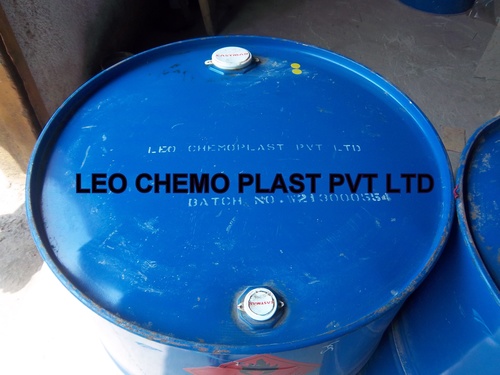
Tell us about your requirement

Price:
Quantity
Select Unit
- 50
- 100
- 200
- 250
- 500
- 1000+
Additional detail
Mobile number
Email

More Products in Organic Solvents Category
Perchloroethylene
Chemical Name : Perchloroethylene
CAS No : 127184
Density : 1.615 Gram per cubic centimeter(g/cm3)
Molecular Weight : 165.83 g/mol
Classification : Other, Chlorinated hydrocarbon solvent
Odour : Mild, etherlike
Hydroquinone
Chemical Name : Hydroquinone
CAS No : 123319
Density : 1.32 Gram per cubic centimeter(g/cm3)
Molecular Weight : 110.11 g/mol
Classification : Other, Aromatic Organic Compound
Odour : Odourless
Paraformaldehyde 91%
Chemical Name : Paraformaldehyde
CAS No : 30525894
Density : 1.42 Gram per cubic centimeter(g/cm3)
Molecular Weight : 90.08 g/mol
Classification : Industrial chemical, Other
Odour : Pungent formaldehydelike
Acetone
Chemical Name : Acetone
CAS No : 67641
Density : 0.791 Gram per cubic centimeter(g/cm3)
Molecular Weight : 58.08 g/mol
Classification : Flammable liquid, Other
Odour : Characteristic sweet odour


 Send Inquiry
Our Products

B/126, Ghatkopar Industrial Estate, Behind R-City Mall, Off. L.B.S. Marg, Ghatkopar (W),Mumbai - 400086, Maharashtra, India

Mr. Sudhir Mehta
(JMD)
Mobile :08045800815
Mr. Hitesh Mehta
(CMD)
 Send Inquiry
 Send SMS
Developed and Managed by Infocom Network Private Limited.
