
Call us now :08045800815
 Send Inquiry
 Send Inquiry
Hydroquinone
Hydroquinone Specification
- Storage Instructions
- Store in Cool, Dry Place, Protect from Light and Moisture
- Solubility
- Soluble in Water, Alcohol, Ether; Slightly Soluble in Benzene
- Appearance
- White to Off-white Crystalline Powder
- Molecular Weight
- 110.11 g/mol
- Odour
- Odourless
- Ph Level
- 5.5 - 7.0 (5% Solution)
- Density
- 1.32 Gram per cubic centimeter(g/cm3)
- Chemical Name
- Hydroquinone
- Other Names
- 1,4-Benzenediol, Quinol
- Classification
- Aromatic Organic Compound
- CAS No
- 123-31-9
- Type
- Analytical Reagent, Industrial Grade
- Application
- Photography Developer, Polymerization Inhibitor, Skin Depigmentation, Cosmetics
- Application Method
- Direct Use as Reagent or Additive
- Raw Material
- Benzene-derived Compounds
- Physical State
- Solid (Crystalline Powder)
- Usage
- Laboratory, Industrial, Cosmetic Applications
- Shelf Life
- Up to 3 Years if Stored Properly
- Purity(%)
- 99% Min
- Drying Time
- Not Applicable (Solid State)
- Best Before
- 36 Months from Manufacturing Date
- Toxicity
- Harmful if Swallowed or Inhaled
- Molecular Formula
- C6H6O2
- EC Number
- 204-617-8
- Compatibility
- Incompatible with Strong Oxidizing Agents and Bases
- Stability
- Stable under Recommended Storage
- Melting Point
- 172°C
- Flash Point
- >165°C
- UN Number
- 2662
- Refractive Index
- Not Applicable (Solid)
- Hazard Statement
- May Cause Skin Irritation, Eye Damage
- Packaging Type
- HDPE Drum, Fiber Drum, Bag
- Boiling Point
- 285°C (Decomposes)
- HS Code
- 29072200
About Hydroquinone
Hydroquinone, also known as benzene-1,4-diol or quinol, is an aromatic organic compound that is a type of phenol, a derivative of benzene, having the chemical formula C6H4(OH)2. It has two hydroxyl groups bonded to a benzene ring in a para position. It is a white granular solid. Substituted derivatives of this parent compound are also referred to as hydroquinones. The name "hydroquinone" was coined by Friedrich Whlerin 1843.
Hydroquinone has a variety of uses principally associated with its action as a reducing agent that is soluble in water. It is a major component in most black and white photographic developers for film and paper where, with the compound metol, it reduces silver halides to elemental silver.
There are various other uses associated with its reducing power. As a polymerization inhibitor, hydroquinone prevents polymerization of acrylic acid, methyl methacrylate, cyanoacrylate, and other monomers that are susceptible to radical-initiated polymerization. This application exploits the antioxidant properties of hydroquinone.
Hydroquinone can undergo mild oxidation to convert to the compound parabenzoquinone, C6H4O2, often called p-quinone or simply quinone. Reduction of quinone reverses this reaction back to hydroquinone. Some biochemical compounds in nature have this sort of hydroquinone or quinone section in their structures, such as Coenzyme Q, and can undergo similar redox interconversions.
Hydroquinone can lose a proton from both hydroxyl groups to form a diphenolate ion. The disodium diphenolate salt of hydroquinone is used as an alternating comonomer unit in the production of the polymer PEEK.
Hydroquinone has a variety of uses principally associated with its action as a reducing agent that is soluble in water. It is a major component in most black and white photographic developers for film and paper where, with the compound metol, it reduces silver halides to elemental silver.
There are various other uses associated with its reducing power. As a polymerization inhibitor, hydroquinone prevents polymerization of acrylic acid, methyl methacrylate, cyanoacrylate, and other monomers that are susceptible to radical-initiated polymerization. This application exploits the antioxidant properties of hydroquinone.
Hydroquinone can undergo mild oxidation to convert to the compound parabenzoquinone, C6H4O2, often called p-quinone or simply quinone. Reduction of quinone reverses this reaction back to hydroquinone. Some biochemical compounds in nature have this sort of hydroquinone or quinone section in their structures, such as Coenzyme Q, and can undergo similar redox interconversions.
Hydroquinone can lose a proton from both hydroxyl groups to form a diphenolate ion. The disodium diphenolate salt of hydroquinone is used as an alternating comonomer unit in the production of the polymer PEEK.
Extensive Range of Applications
Hydroquinone fulfills critical roles across industries, including as a developer in photography, an inhibitor in polymerization, and an active agent in skin care products like depigmentation creams. Its versatility supports both industrial and cosmetic formulations, as well as routine laboratory work, making it a valuable resource for multiple sectors.
Safety Measures and Storage
This compound is stable under recommended conditionsstore in a cool, dry place and protect from light and moisture. Avoid contact with skin and eyes, and do not ingest or inhale the powder. For safe handling and storage, always use appropriate protective equipment, and keep away from strong oxidizing agents and bases as Hydroquinone is incompatible with these substances.
FAQs of Hydroquinone:
Q: How should Hydroquinone be stored to maintain its stability and effectiveness?
A: Hydroquinone should be stored in a cool, dry area away from light and moisture, ideally in sealed HDPE or fiber drums. This helps preserve its stability and ensures the product remains effective for up to three years.Q: What are the primary uses of Hydroquinone in industry and laboratories?
A: Hydroquinone is widely used as a developer in photographic processes, as an inhibitor to prevent unwanted polymerization, and as a depigmenting agent in cosmetic preparations. It also finds application as an analytical reagent in laboratory settings.Q: When is Hydroquinone typically applied in cosmetic products?
A: Hydroquinone is incorporated into skin depigmentation formulations and cosmetic products to address issues like hyperpigmentation and age spots, under strict regulatory guidelines to ensure safe usage.Q: Where can Hydroquinone be sourced in India?
A: In India, Hydroquinone is available through chemical distributors and suppliers. It is commonly supplied in HDPE drums, fiber drums, or bags suitable for industrial, laboratory, and cosmetic applications.Q: What steps should be taken if Hydroquinone contacts skin or eyes?
A: If Hydroquinone comes into contact with skin or eyes, rinse the affected area thoroughly with water for at least 15 minutes and seek medical attention. Hydroquinone can cause skin irritation and eye damage, so immediate action is recommended.Q: How does Hydroquinone benefit polymerization and photography applications?
A: Hydroquinone acts as an effective polymerization inhibitor, preventing unwanted reactions in monomers during storage and processing. In photography, it serves as a developer, aiding in the reduction of silver halides to metallic silver on film or paper.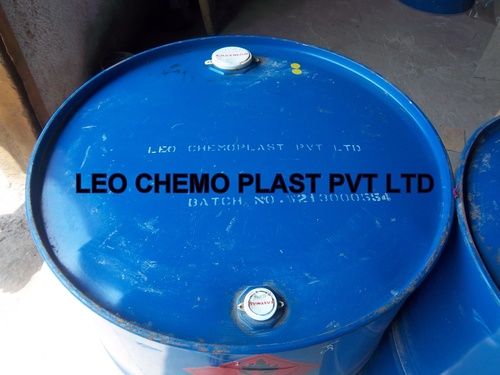
Tell us about your requirement

Price:
Quantity
Select Unit
- 50
- 100
- 200
- 250
- 500
- 1000+
Additional detail
Mobile number
Email

More Products in Organic Solvents Category
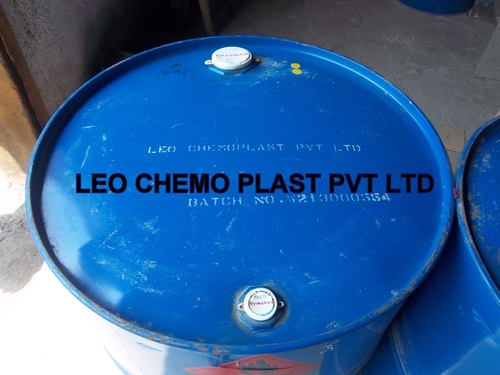
Perchloroethylene
Solubility : Insoluble in water, miscible with most organic solvents
Chemical Name : Perchloroethylene
CAS No : 127184
Odour : Mild, etherlike
Physical State : Other, Liquid
Storage Instructions : Store in cool, dry, wellventilated area away from direct sunlight and ignition sources
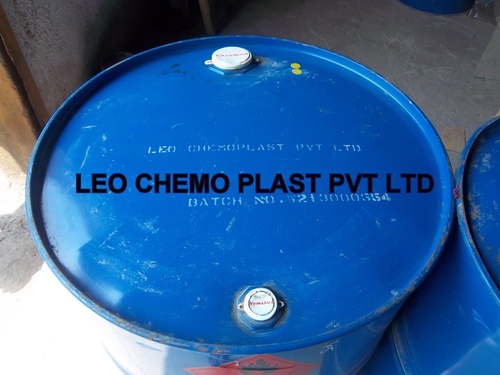
Toluene diisocyanate
Solubility : Reacts with water; soluble in organic solvents
Chemical Name : Toluene Diisocyanate
CAS No : 584849
Odour : Sharp, pungent
Physical State : Other, Liquid
Storage Instructions : Keep in tightly closed containers; store in a cool, dry, wellventilated area away from moisture and heat
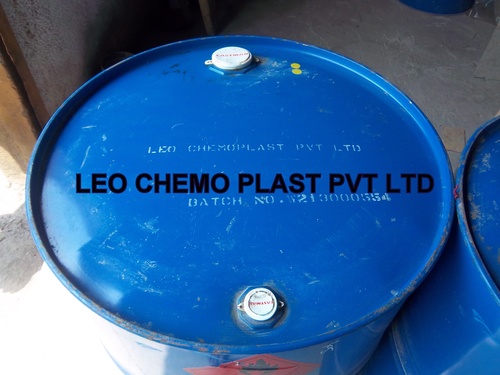
Butyl Carbitol
Solubility : Miscible with water and many organic solvents
Chemical Name : 2(2Butoxyethoxy)ethanol
CAS No : 111900
Odour : Mild etherlike odour
Physical State : Liquid, Other
Storage Instructions : Store in a cool dry place; keep container tightly closed
Allyl alcohol
Solubility : Soluble in water and organic solvents
Chemical Name : Allyl Alcohol
CAS No : 107186
Odour : Strong pungent odor
Physical State : Other, Liquid
Storage Instructions : Store in a cool dry place away from heat and ignition sources


 Send Inquiry
Our Products

B/126, Ghatkopar Industrial Estate, Behind R-City Mall, Off. L.B.S. Marg, Ghatkopar (W),Mumbai - 400086, Maharashtra, India

Mr. Sudhir Mehta
(JMD)
Mobile :08045800815
Mr. Hitesh Mehta
(CMD)
 Send Inquiry
 Send SMS
Developed and Managed by Infocom Network Private Limited.
