
Call us now :08045800815
 Send Inquiry
 Send Inquiry
Perchloroethylene
Perchloroethylene Specification
- Odour
- Mild, ether-like
- Molecular Weight
- 165.83 g/mol
- Solubility
- Insoluble in water, miscible with most organic solvents
- Appearance
- Clear, colorless liquid
- Storage Instructions
- Store in cool, dry, well-ventilated area away from direct sunlight and ignition sources
- Density
- 1.615 Gram per cubic centimeter(g/cm3)
- Ph Level
- Neutral (approx. 7)
- Chemical Name
- Perchloroethylene
- Other Names
- Tetrachloroethylene, PCE, Perc
- Classification
- Chlorinated hydrocarbon solvent
- CAS No
- 127-18-4
- Type
- Industrial Chemical
- Application
- Dry cleaning, metal degreasing, textile processing, chemical intermediate
- Application Method
- Direct use in equipment or as a formulated blend
- Raw Material
- Petrochemical derivatives
- Physical State
- Liquid
- Usage
- Solvent for cleaning and degreasing
- Shelf Life
- 2 years from date of manufacture
- Purity(%)
- 99.9%
- Drying Time
- Rapid evaporation
- Best Before
- 24 months from manufacture date
- Specific Gravity
- 1.620 at 25°C
- Auto-ignition Temperature
- None (non-flammable)
- Melting Point
- -22.2°C
- Flash Point
- None (non-flammable)
- Transport Information
- Handle as per local, national and international guidelines for hazardous materials
- Refractive Index
- 1.5058 at 20°C
- Stability
- Stable under recommended storage conditions
- UN Number
- UN 1897
- Packing Group
- III
- Hazard Class
- Class 6.1 (toxic substance)
- Boiling Point
- 121.1°C
- Vapour Pressure
- 18.47 mmHg at 25°C
- Environmental Impact
- Harmful to aquatic life with long lasting effects
About Perchloroethylene
Tetrachloroethylene, also known under the systematic name tetrachloroethene, or perchloroethylene ("perc" or "PERC"), and many other names, is a chlorocarbon with the formula Cl2C=CCl2. It is a colorless liquid widely used for dry cleaning of fabrics, hence it is sometimes called "dry-cleaning fluid". It has a sweet odor detectable by most people at a concentration of 1 part per million (1 ppm).
Tetrachloroethylene is an excellent solvent for organic materials. Otherwise it is volatile, highly stable, and nonflammable. For these reasons, it is widely used in dry cleaning. It is also used to degrease metal parts in the automotive and other metalworking industries, usually as a mixture with other chlorocarbons. It appears in a few consumer products including paint strippers and spot removers.It is also used in aerosol preparations.
It is used in neutrino detectors where a neutrino interacts with a neutron in the chlorine atom and converts it to a proton to form argon.
Versatile Industrial Applications
Perchloroethylene serves as a key solvent in dry cleaning, metal degreasing, and textile processing, owing to its effective cleaning power, neutrality, and compatibility with various organic substances. It is also used as a chemical intermediate in several manufacturing processes. Its rapid evaporation and high purity make it a preferred choice in demanding industrial environments.
Safety and Environmental Precautions
Although perchloroethylene is non-flammable and stable, its toxic nature warrants careful handling in line with local, national, and international guidelines. It poses long-term risks to aquatic life, making spill prevention and proper waste disposal critical. Always store in a cool, well-ventilated area away from sunlight and ignition sources for maximum safety.
Product Handling and Storage
This liquid solvent should be stored in tightly sealed containers at temperatures away from direct sunlight and ignition points. It is recommended to keep perchloroethylene containers in a dry, well-ventilated facility to maintain product integrity and shelf life. Ensure all users are trained in safe handling practices and emergency procedures.
FAQs of Perchloroethylene:
Q: How should perchloroethylene be stored to ensure maximum stability and safety?
A: Store perchloroethylene in a cool, dry, well-ventilated area, away from direct sunlight and ignition sources. Ensure containers are tightly sealed and kept off the ground to minimize the risk of spills or leaks. Storage areas should comply with local and international regulations for toxic chemicals.Q: What are the main industrial applications of perchloroethylene?
A: Perchloroethylene is commonly used as a solvent in dry cleaning, metal degreasing, and textile processing. It also acts as a chemical intermediate in various manufacturing processes and can be used directly in specialized equipment or blended with other solvents for specific applications.Q: When is it important to follow special handling guidelines with perchloroethylene?
A: Special handling is crucial at all times due to its toxic classification (Hazard Class 6.1). Personal protective equipment, proper ventilation, and spill control measures should be used from receipt and storage to use and disposal, irrespective of the context or volume.Q: Where should perchloroethylene waste or empty containers be disposed of?
A: Disposal must adhere to local, national, and international hazardous waste regulations. Both residues and empty containers are classified as hazardous and should be processed by certified waste management providers to minimize environmental impact.Q: What benefits does perchloroethylene offer industrial users?
A: Its rapid evaporation, high purity (99.9%), and strong solvency with organic materials make perchloroethylene highly effective for cleaning and degreasing processes. Its stable, non-flammable nature further enhances workplace safety when managed correctly.Q: How does perchloroethylene impact the environment and what precautions should be taken?
A: Perchloroethylene is harmful to aquatic life with long lasting effects. Preventing spills, proper containment, and responsible waste disposal are essential precautions to protect the environment and comply with regulatory standards.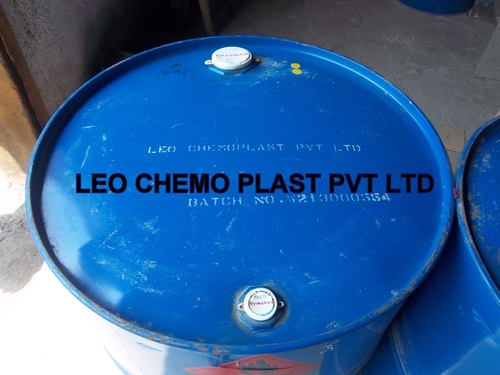
Tell us about your requirement

Price:
Quantity
Select Unit
- 50
- 100
- 200
- 250
- 500
- 1000+
Additional detail
Mobile number
Email

More Products in Organic Solvents Category
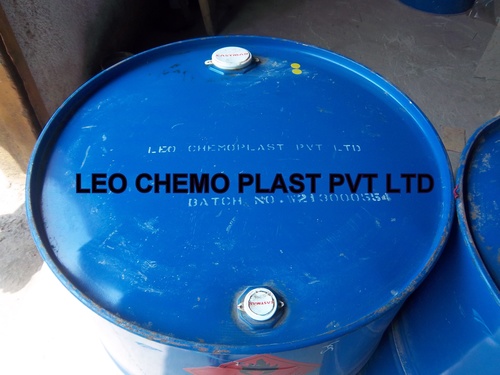
Triethylenetetramine 1
Chemical Name : Triethylenetetramine
Storage Instructions : Store tightly closed in a cool, wellventilated area, away from acids
Solubility : Soluble in water and organic solvents
Shelf Life : 24 months
Type : Other , Industrial Chemical
Odour : Ammoniacal
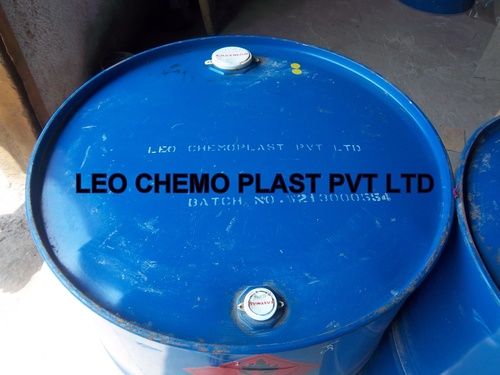
Hydroquinone
Chemical Name : Hydroquinone
Storage Instructions : Store in Cool, Dry Place, Protect from Light and Moisture
Solubility : Soluble in Water, Alcohol, Ether; Slightly Soluble in Benzene
Shelf Life : Up to 3 Years if Stored Properly
Type : Other , Analytical Reagent, Industrial Grade
Odour : Odourless
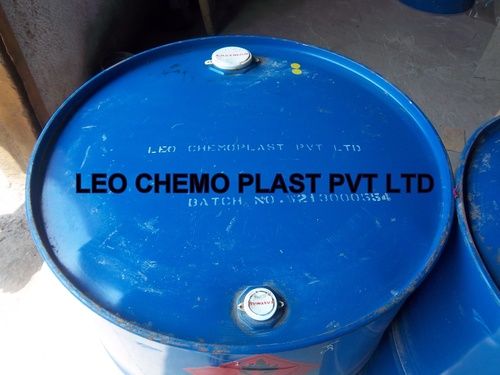
Formic acid
Chemical Name : Formic Acid
Storage Instructions : Store in a cool dry place away from incompatible materials
Solubility : Highly soluble in water
Shelf Life : 1 year under proper storage conditions
Type : Other , Organic acid
Odour : Pungent acrid


 Send Inquiry
Our Products

B/126, Ghatkopar Industrial Estate, Behind R-City Mall, Off. L.B.S. Marg, Ghatkopar (W),Mumbai - 400086, Maharashtra, India

Mr. Sudhir Mehta
(JMD)
Mobile :08045800815
Mr. Hitesh Mehta
(CMD)
 Send Inquiry
 Send SMS
Developed and Managed by Infocom Network Private Limited.
