
Call us now :08045800815
 Send Inquiry
 Send Inquiry
N-Butyric acid
About N-Butyric acid
Butyric acid (from Ancient Greek: meaning "butter"), also known under the systematic name butanoic acid,[5] is a carboxylic acid with the structural formula CH3CH2CH2-COOH. Salts and esters of butyric acid are known as butyrates or butanoates. Butyric acid is found in animal fat and plant oils,[5] bovine milk, breast milk,[8] butter, parmesan cheese, and as a product of anaerobic fermentation (including in the colon and as body odor).[5][9] Butyric acid has a taste somewhat like butter and an unpleasant odor.[5] Mammals with good scent detection abilities, such as dogs, can detect it at 10 parts per billion, whereas humans can only detect it in concentrations above 10 parts per million. In food manufacturing, it is used as a flavoring agent.
Butyric acid is a biologically active compound in humans.[10] Butyric acid is one of two primary endogenous agonists of human hydroxycarboxylic acid receptor 2 (HCA2), a Gi/o-coupled G protein-coupled receptor.

Tell us about your requirement

Price:
Quantity
Select Unit
- 50
- 100
- 200
- 250
- 500
- 1000+
Additional detail
Mobile number
Email

More Products in Organic Solvents Category
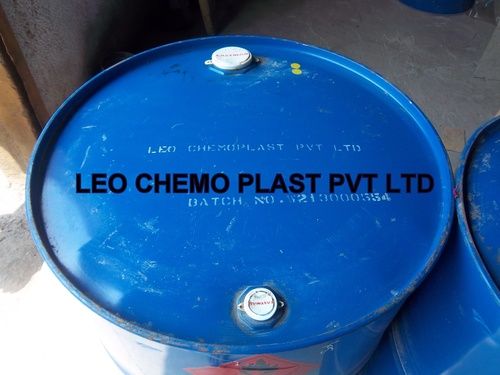
N-Methyl-2-pyrrolidone
Type : Other , Industrial Grade
Application Method : Other, Direct use or as a solvent in formulations.
Chemical Name : NMethyl2pyrrolidone
Shelf Life : 24 months when properly stored.
Density : 1.028 Gram per cubic centimeter(g/cm3)
Appearance : Clear, colorless to pale yellow liquid
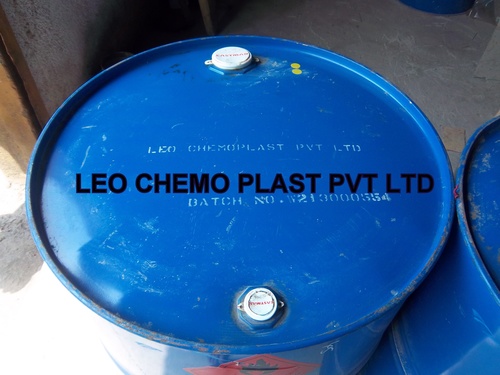
Methyl isobutyl ketone
Type : Other , Industrial Chemical
Application Method : Other, Used directly as a solvent or chemical intermediate
Chemical Name : Methyl isobutyl ketone
Shelf Life : 24 Months
Density : 0.805 Gram per cubic centimeter(g/cm3)
Appearance : Clear, colorless liquid
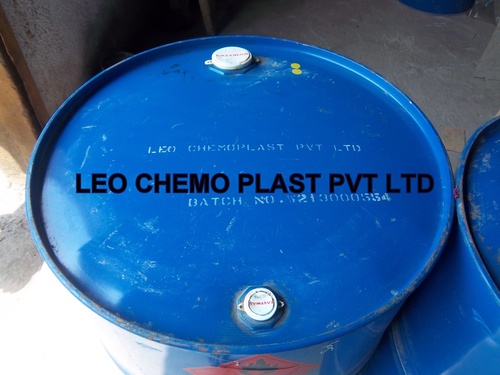
Furfuryl alcohol
Type : Other , Industrial chemical
Application Method : Industrial processing, Other
Chemical Name : Furfuryl alcohol
Shelf Life : 1 year
Density : 1.13 Gram per cubic centimeter(g/cm3)
Appearance : Clear liquid
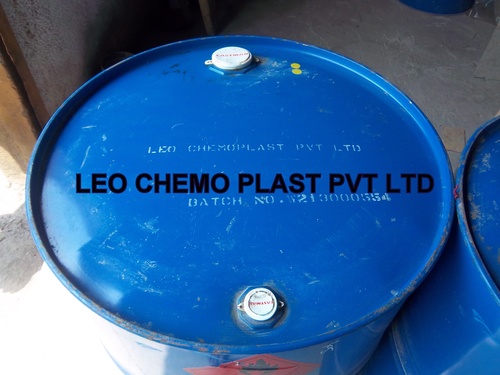
Butyl Carbitol
Type : Other , Solvent
Application Method : Mix or blend into formulations, Other
Chemical Name : 2(2Butoxyethoxy)ethanol
Shelf Life : Typically 12 months if stored properly
Density : 0.960 Gram per cubic centimeter(g/cm3)
Appearance : Clear liquid


 Send Inquiry
Our Products

B/126, Ghatkopar Industrial Estate, Behind R-City Mall, Off. L.B.S. Marg, Ghatkopar (W),Mumbai - 400086, Maharashtra, India

Mr. Sudhir Mehta
(JMD)
Mobile :08045800815
Mr. Hitesh Mehta
(CMD)
 Send Inquiry
 Send SMS
Developed and Managed by Infocom Network Private Limited.
