
Call us now :08045800815
 Send Inquiry
 Send Inquiry
Pentaerythritol
Pentaerythritol Specification
- Appearance
- White Crystalline Powder
- Ph Level
- 7 (neutral aqueous solution)
- Solubility
- Freely soluble in water, slightly soluble in alcohol
- Odour
- Odourless
- Storage Instructions
- Store in a cool, dry, well-ventilated area, away from moisture
- Molecular Weight
- 136.15 g/mol
- Density
- 1.396 Gram per cubic centimeter(g/cm3)
- Chemical Name
- Pentaerythritol
- Other Names
- 2,2-bis(hydroxymethyl)-1,3-propanediol
- Classification
- Organic Compound, Polyhydric Alcohol
- CAS No
- 115-77-5
- Type
- Industrial Grade
- Application
- Paints and Coatings, Alkyd Resins, Synthetic Lubricants, Plasticizers, Explosives, Adhesives
- Application Method
- Used as raw material or chemical intermediate
- Raw Material
- Formaldehyde, Acetaldehyde
- Physical State
- Solid (Crystalline Powder)
- Usage
- Manufacturing of resins, lubricants, plasticizers, explosives
- Shelf Life
- 2 years
- Purity(%)
- 98% Min
- Best Before
- 24 months from date of manufacture
- Grade Standard
- Technical Grade
- HS Code
- 29054200
- Iron Content
- 5 ppm
- EC Number
- 204-104-9
- Lead Content
- 5 ppm
- Boiling Point
- NA (decomposes before boiling)
- Melting Point
- 260C (decomposes)
- Moisture Content
- 0.5% max
- Color Value (Hazen)
- 15
- Hazard Class
- Not classified as hazardous
- Packaging Type
- 25 kg/50 kg bags, Jumbo bags
- Thermal Stability
- Stable under recommended storage conditions
- Flash Point
- Non-flammable
About Pentaerythritol
Pentaerythritol is an organic compound with the formula C(CH2OH)4. Classified as a polyol, it is a white solid. Pentaerythritol is a building block for the synthesis and production of explosives, plastics, paints, appliances, cosmetics, and many other commercial products.
Pentaerythritol is a versatile building block for the preparation of many polyfunctionalized compounds. Derivatives of pentaerythritol are components of alkyd resins, varnishes, polyvinyl chloride stabilizers, tall oil esters, and olefin antioxidants. It can be found in transformer oil, plastics, paints, cosmetics, and many other applications.
Polyester derivatives
Pentaerythritol is a precursor to esters of the type C(CH2OX)4. One such derivative is pentaerythritol tetranitrate (PETN), a vasodilator and explosive. The trinitrate derivative is called pentrinitrol (Petrin). The tetraacetate is called normosterol (PAG). The polymer cross-linking agent pentaerythritol tetraacrylate.
Fire retardant
Pentaerythritol is used as a fire retardant, such as in plastics. Produces thick carbon barrier upon heating protecting the surface substrate.
Versatile Raw Material for Industrial Applications
Pentaerythritols multi-functionality as a polyhydric alcohol makes it indispensable in industries such as paints, coatings, synthetic lubricants, adhesives, and plasticizers. Its stability and high purity (minimum 98%) ensure reliable performance and product consistency, even in demanding manufacturing environments. Used primarily as a chemical intermediate, it contributes to formulating products with enhanced durability and efficiency.
Superior Chemical and Physical Properties
This compounds stable crystalline structure, high melting point, and low impurity levels (lead and iron 5 ppm each) make it well-suited for sensitive manufacturing processes. Being odourless, freely soluble in water, and having a neutral pH allows Pentaerythritol to be easily integrated into various formulations, providing flexibility in chemical design and end-product quality.
Safe Handling and Storage
Pentaerythritol is classified as non-hazardous and non-flammable, ensuring safer handling during transportation and storage. Store in a cool, dry, well-ventilated area away from moisture to maintain its technical properties and 24-month shelf life. Available in 25 kg, 50 kg, and jumbo bags, it accommodates different scale operations with efficient packaging options.
FAQs of Pentaerythritol:
Q: How is Pentaerythritol commonly used in industrial processes?
A: Pentaerythritol is primarily used as a raw material or chemical intermediate in the production of alkyd resins, synthetic lubricants, plasticizers, paints, coatings, adhesives, and explosives. Its high purity and solubility make it suitable for manufacturing processes requiring consistent and reliable ingredients.Q: What are the storage requirements for Pentaerythritol to maintain its stability and shelf life?
A: To preserve Pentaerythritols stability and quality, it should be stored in a cool, dry, and well-ventilated area, away from moisture. Under recommended storage conditions, it remains stable and maintains its properties for up to 24 months from the date of manufacture.Q: What benefits does Pentaerythritol offer in formulations for resins and lubricants?
A: Pentaerythritol imparts superior structural stability and durability to resins and lubricants. Its polyhydric alcohol structure enhances cross-linking, leading to improved product lifespan, flexibility, and performance, making it a valuable component in industrial formulations.Q: When is Pentaerythritol advantageous over other polyols in chemical manufacturing?
A: Pentaerythritol is particularly advantageous when high thermal stability, low impurity content, and consistent solubility are required. Compared to other polyols, it offers improved structural integrity, especially in applications demanding robust end-product properties.Q: Where can Pentaerythritol be sourced, and what packaging options are available?
A: Pentaerythritol is available through distributors and suppliers specializing in industrial-grade chemicals. It is supplied in 25 kg or 50 kg bags as well as jumbo bags, providing flexible packaging solutions for varying operational needs.Q: What process is involved in producing Pentaerythritol?
A: Pentaerythritol is typically synthesized by reacting formaldehyde and acetaldehyde under controlled conditions, followed by purification steps to achieve high purity and low impurity levels, resulting in a solid crystalline powder.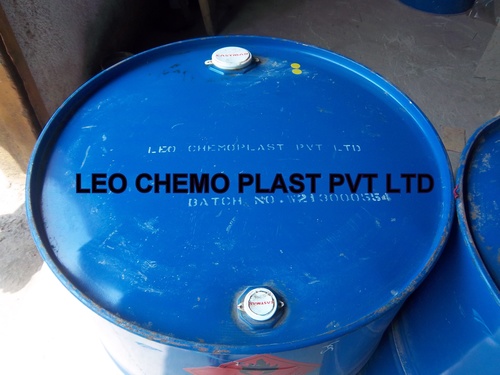
Tell us about your requirement

Price:
Quantity
Select Unit
- 50
- 100
- 200
- 250
- 500
- 1000+
Additional detail
Mobile number
Email

More Products in Organic Solvents Category

Tertiary-Butylamine
Type : Other , Chemical compound
Ph Level : Alkaline (pH > 7)
Raw Material : Amines
Density : 0.696 Gram per cubic centimeter(g/cm3)
Best Before : 2 years from the date of manufacture
Usage : Used in organic synthesis intermediates for pharmaceuticals
Acetone
Type : Other , Industrial solvent
Ph Level : Neutral
Raw Material : Manufactured via isopropyl alcohol dehydrogenation or oxidation
Density : 0.791 Gram per cubic centimeter(g/cm3)
Best Before : Refer to the manufacturers guidelines
Usage : Cleaning agent solvent for resins plastics pharmaceuticals and scientific applications
2 Hydroxy Ethyl Methacrylate
Type : Other , Chemical monomer
Ph Level : Neutral to slightly acidic
Raw Material : Derived from methacrylic acid and ethylene oxide
Density : 1.07 Gram per cubic centimeter(g/cm3)
Best Before : 24 months from manufacturing date
Usage : Used in dental materials paints resins and coatings


 Send Inquiry
Our Products

B/126, Ghatkopar Industrial Estate, Behind R-City Mall, Off. L.B.S. Marg, Ghatkopar (W),Mumbai - 400086, Maharashtra, India

Mr. Sudhir Mehta
(JMD)
Mobile :08045800815
Mr. Hitesh Mehta
(CMD)
 Send Inquiry
 Send SMS
Developed and Managed by Infocom Network Private Limited.
