
Call us now :08045800815
 Send Inquiry
 Send Inquiry
Piperazine Anhydrous
Piperazine Anhydrous Specification
- Appearance
- White crystalline
- Ph Level
- Alkaline
- Solubility
- Freely soluble in water and alcohol
- Molecular Weight
- 86.14 g/mol
- Storage Instructions
- Store in cool, dry place; tightly sealed container
- Odour
- Ammonia-like
- Density
- 1.2 Gram per cubic centimeter(g/cm3)
- Chemical Name
- Piperazine Anhydrous
- Other Names
- Diethylenediamine; 1,4-Piperazinediane
- Classification
- Organic Base
- CAS No
- 110-85-0
- Type
- Anhydrous
- Application
- Pharmaceutical intermediates, chemical synthesis, corrosion inhibitors
- Application Method
- Direct use as chemical intermediate or formulation
- Raw Material
- Synthetic chemicals
- Physical State
- Crystalline solid
- Usage
- Industrial; laboratory
- Shelf Life
- 2 Years
- Purity(%)
- 99.5% min
- Best Before
- 24 months from manufacturing date
- Packaging
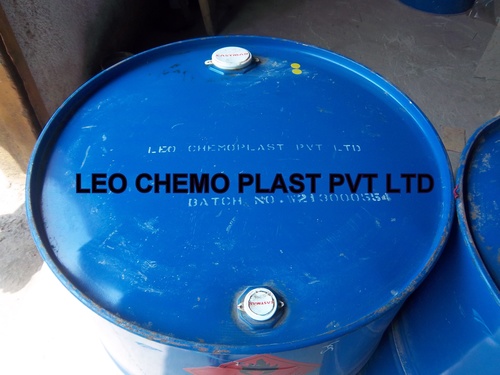
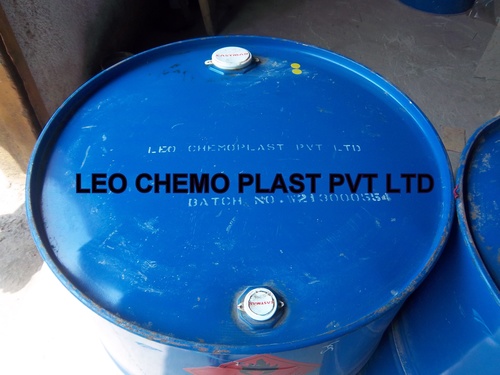
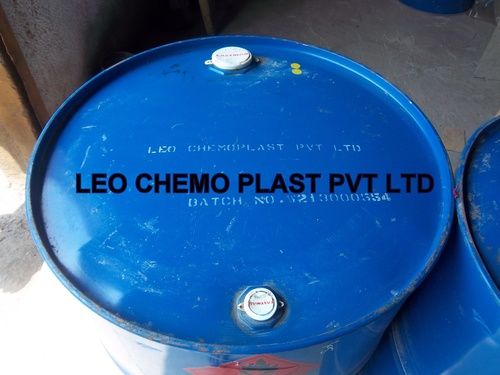
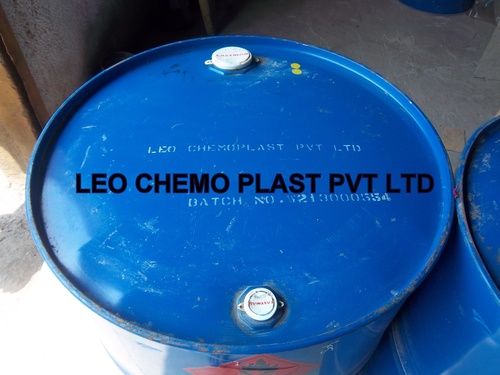
- HDPE drum or steel drum; custom packaging available
- Flash Point
- 85°C
- Boiling Point
- 146°C (decomposes)
- HS Code
- 29335990
- Toxicity
- Corrosive; avoid contact with skin and eyes
- UN Number
- 2579
- Stability
- Stable under normal conditions
- Refractive Index
- 1.519 (20 °C)
- Melting Point
- 106-110°C
- EC Number
- 203-808-3
- Hazard Class
- 8 (Corrosive)
About Piperazine Anhydrous
Piperazine Anhydrous is used as a raw material for the manufacture of quinolone drugs like Ciprofloxacin and Norfloxacin, which are having a strong wide spectrum anti bacterial characteristics to common sensitive and drug resistant bacteria. Also used in manufacture of other drugs like Anthelmintics, Antihistamines, Antifilarials, Sedatives, Tranquilizers, Analgesics and Hormones for Humans and Animals Used in the manufacture of insecticides Used for speciality chemicals and polymeric products like corrosion inhibitors, photographic chemicals, detergents, emulsifiers, textile and paper auxiliaries, wetting agents, waxes, cosmetics, poly condensation resins, copolymers, polyamides, polyurethane, rubber auxiliaries and hardener for epoxy resins.
Versatile Applications Across Industries
Piperazine Anhydrous is widely used in the synthesis of pharmaceuticals, specialty chemicals, and as an effective corrosion inhibitor. Its high purity and reactivity make it ideal for direct use in chemical formulations, ensuring consistency and efficiency in industrial and laboratory applications.
Safe Storage and Handling Guidelines
Due to its corrosive nature, Piperazine Anhydrous should be stored in a tightly sealed container in a cool, dry environment. Using protective equipment is essential while handling, as direct contact with skin or eyes must be avoided. Its shelf life extends up to two years when stored properly.
Quality Packaging Solutions
The product is available in robust HDPE or steel drums, ensuring secure transportation and storage. Custom packaging solutions are offered to meet specific user requirements, maintaining product integrity and safety from manufacturer to end-user.
FAQs of Piperazine Anhydrous:
Q: How should Piperazine Anhydrous be stored for maximum stability?
A: Piperazine Anhydrous should be stored in a cool, dry place away from moisture and direct sunlight. Always keep it in a tightly sealed container to maintain stability and avoid exposure to air or dampness.Q: What precautions are necessary when handling Piperazine Anhydrous?
A: As Piperazine Anhydrous is corrosive, it is important to wear suitable personal protective equipment, such as gloves and eye protection. Avoid direct contact with skin and eyes, and work in a well-ventilated area.Q: Where can Piperazine Anhydrous be applied in industry?
A: This compound is commonly used as an intermediate in pharmaceutical manufacturing, in chemical synthesis, and as a corrosion inhibitor, making it valuable in both laboratory research and large-scale industrial processes.Q: What is the process for using Piperazine Anhydrous as a chemical intermediate?
A: Piperazine Anhydrous can be directly incorporated in chemical reactions or formulations. Its high solubility in water and alcohols facilitates easy blending with other reactants in synthesis processes.Q: When does Piperazine Anhydrous expire, and how is shelf life determined?
A: Piperazine Anhydrous has a shelf life of 24 months from the manufacturing date, provided it is stored under recommended conditions. Its stability is best maintained in sealed containers, away from heat and humidity.Q: What are the benefits of using Piperazine Anhydrous with a 99.5% minimum purity?
A: A high purity level ensures consistent chemical reactivity, minimizes impurities in final products, and enhances process reliability, especially in sensitive pharmaceutical and chemical synthesis applications.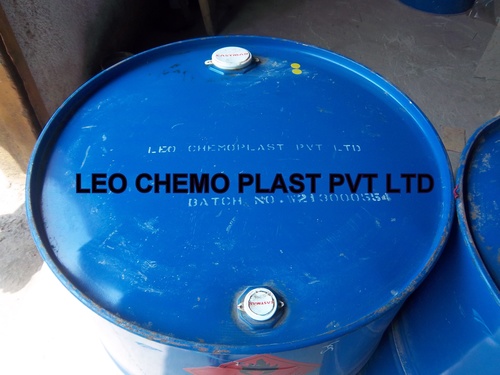
Tell us about your requirement

Price:
Quantity
Select Unit
- 50
- 100
- 200
- 250
- 500
- 1000+
Additional detail
Mobile number
Email

More Products in Organic Solvents Category
Methyl acrylate
Chemical Name : Methyl Acrylate
Physical State : Other, Liquid
Type : Other , Industrial Chemical
Usage : Industrial and manufacturing processes
Storage Instructions : Store in tightly sealed containers in a cool, dry, wellventilated area away from sources of ignition
Solubility : Soluble in alcohol and ether; slightly soluble in water
Triethylenetetramine 1
Chemical Name : Triethylenetetramine
Physical State : Other, Liquid
Type : Other , Industrial Chemical
Usage : For industrial use in various chemical processes
Storage Instructions : Store tightly closed in a cool, wellventilated area, away from acids
Solubility : Soluble in water and organic solvents
Diethanolamine
Chemical Name : Diethanolamine
Physical State : Other, Liquid
Type : Other , Industrial Grade
Usage : Textile, Agriculture, Gas treatment, Pharmaceuticals, Cosmetics, Detergents
Storage Instructions : Store in cool, dry, and wellventilated area, keep container tightly closed
Solubility : Completely Soluble in Water
Fumaric acid
Chemical Name : Fumaric Acid
Physical State : Other, Solid
Type : Other , Chemical compound
Usage : General industrial applications
Storage Instructions : Store in a dry environment


 Send Inquiry
Our Products

B/126, Ghatkopar Industrial Estate, Behind R-City Mall, Off. L.B.S. Marg, Ghatkopar (W),Mumbai - 400086, Maharashtra, India

Mr. Sudhir Mehta
(JMD)
Mobile :08045800815
Mr. Hitesh Mehta
(CMD)
 Send Inquiry
 Send SMS
Developed and Managed by Infocom Network Private Limited.
